AI-Powered SEO Efficiency
Introduction to AI in SEO
The New SEO
For years, Search Engine Optimization (SEO) was a bit like a manual treasure hunt. People would search for the right keywords, stuff them into web pages, and hope for the best. Today, the game has changed entirely, thanks to Artificial Intelligence (AI).
AI SEO is the practice of optimizing a website or web page so that it’s more likely to appear in AI chatbot responses and AI search summaries.
In simple terms, AI in SEO means using intelligent software to help websites rank higher on search engines like Google. Instead of just guessing what works, AI analyzes huge amounts of data to find patterns and make smarter decisions. It helps automate repetitive tasks, uncover new opportunities, and understand what your audience truly wants. This shift makes SEO less about tricking algorithms and more about creating genuinely helpful content.
How SEO Evolved with AI
SEO has always evolved alongside search engines. In the early days, ranking high was often about mastering simple tricks. But as search engines got smarter, so did the strategies needed to succeed.
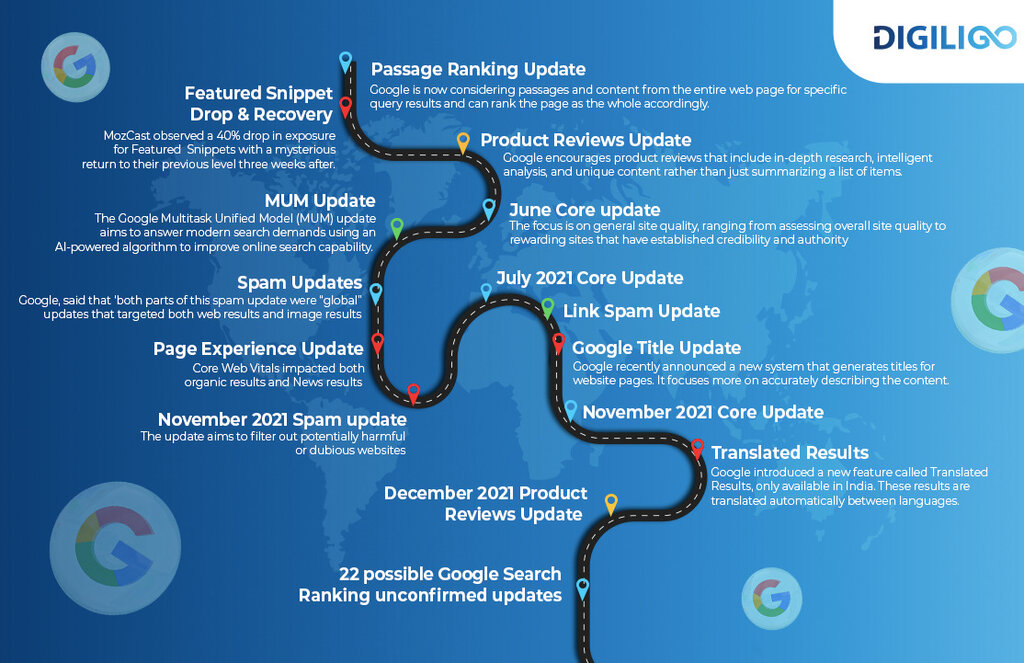
The real turning point was when search engines began using AI themselves. Google, for example, introduced algorithms like RankBrain and BERT. These systems weren't just looking for keywords; they were trying to understand the intent behind a search. Suddenly, the context and quality of content mattered more than ever.
This forced SEO strategies to mature. Instead of just focusing on specific keywords, professionals had to think about topics, user experience, and creating content that answered questions thoroughly. AI didn't just become a tool for SEO; it became a fundamental part of the environment SEO operates in.
The Benefits of AI Integration
Bringing AI into an SEO workflow isn't just a trend; it offers real advantages. By handing over data-heavy tasks to machines, you can focus on creativity and strategy.
First, AI is brilliant at automation. Tedious jobs like tracking thousands of keywords, analyzing competitor backlink profiles, or performing technical site audits can be done in minutes, not days. This frees up enormous amounts of time.
Second, AI provides much deeper insights. It can analyze search trends to predict what topics will become popular next. It can also comb through user data to reveal exactly what your audience is looking for, helping you create content that truly resonates.
AI can spot subtle patterns in data that a human might miss, leading to breakthrough content ideas and optimization strategies.
Finally, all this leads to better decision-making. With AI-powered analysis, you can build a content strategy based on solid data, not just intuition. You'll know which pages to optimize, what topics to cover, and how to structure your site for maximum impact. It turns SEO from a guessing game into a science.
When properly integrated, these technologies transform SEO from a repetitive manual process into a self-improving system.
AI in Action
So what does this look like in the real world? Many companies are already using AI to get ahead.
An e-commerce giant might use AI to analyze customer reviews and automatically generate SEO-friendly product descriptions that answer common questions. This improves their ranking for specific product searches and boosts sales.
A travel blog could use an AI tool to discover
long-tail keywords
—highly specific, low-competition search phrases like “best family-friendly hikes near Asheville in October.” By creating content for these niche queries, they can attract highly engaged readers who are ready to book a trip.
Even a local plumbing business can benefit. AI can help them analyze their competitors' online presence and identify gaps in their own content. They might discover that no one has written a good guide on “how to prevent frozen pipes in Chicago,” allowing them to create a helpful resource that puts them at the top of local search results.
Time to check what you've learned.
What is the primary way AI has changed the practice of Search Engine Optimization (SEO)?
Google's introduction of AI algorithms like RankBrain and BERT decreased the importance of understanding a user's search intent.
By understanding the role of AI, you can create more effective and efficient SEO strategies that connect with audiences in a meaningful way.