AI-Powered Product Landing Pages with Video
Introduction to Landing Pages
What Is a Landing Page?
A landing page is a standalone web page created specifically for a marketing or advertising campaign. It’s where a visitor “lands” after they click on a link in an email, an ad from Google or social media, or a similar location online.
Unlike a homepage, which has dozens of potential distractions, a good landing page is incredibly focused. It’s designed with a single goal in mind, stripping away typical website navigation to keep the visitor's attention on one specific action.
A well-designed landing page serves as a focused environment where visitors can learn about your offer without distractions.
That single goal is usually to capture a visitor's information in exchange for something of value. This process, called lead generation, turns an anonymous visitor into a potential customer, or lead. The valuable offer could be anything from an e-book or a webinar registration to a free trial or a product discount.
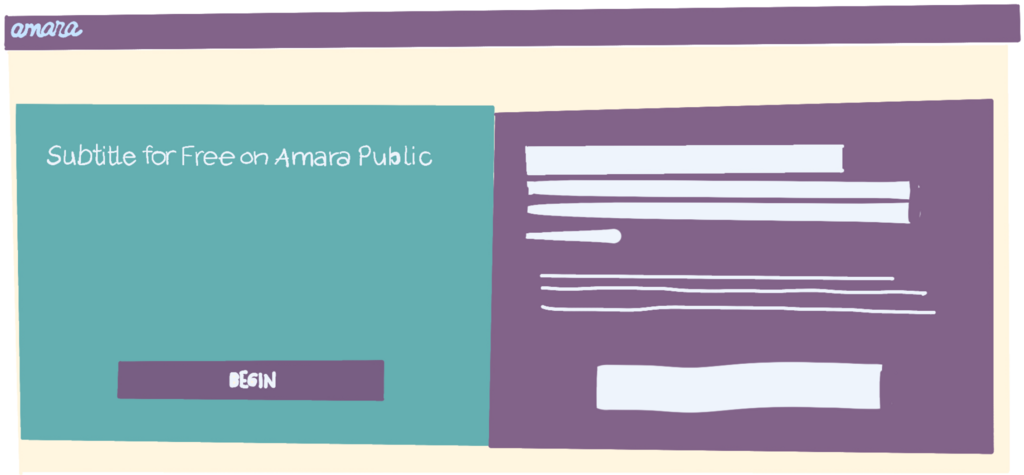
By directing traffic from a specific ad to a matching landing page, you create a clear, direct path for the user. The message in the ad is reinforced on the page, making it more likely the visitor will take the desired action. This alignment between the ad and the page is crucial for success.
Anatomy of an Effective Page
Effective landing pages share a few key components that work together to persuade visitors to act. Think of it as a recipe where each ingredient has a specific job.
A compelling headline is the first thing a visitor sees. It must quickly answer the question, “What’s in it for me?” and match the message of the ad or link that brought them there.
Persuasive copy follows the headline, providing more detail about the offer. It should be clear, concise, and focused on benefits, not just features. Use bullet points and short paragraphs to make the text easy to scan.
Engaging visuals, like images or graphics, can help visitors understand the offer at a glance. A picture of an e-book cover or a diagram explaining a service works better than a generic stock photo.
Finally, the call-to-action (CTA) is the most critical element. This is typically a button with action-oriented text like “Download Now” or “Get Your Free Quote.” It should stand out visually and leave no doubt about what happens next.
Every element on your landing page should guide the visitor toward the CTA. If something doesn't serve that purpose, it's a distraction.
The Role in Marketing
Landing pages are workhorses in a digital marketing strategy. They serve as the destination for traffic from paid ads, social media campaigns, and email marketing. Instead of sending potential customers to a general homepage and hoping they find what they're looking for, you send them to a page built specifically for them.
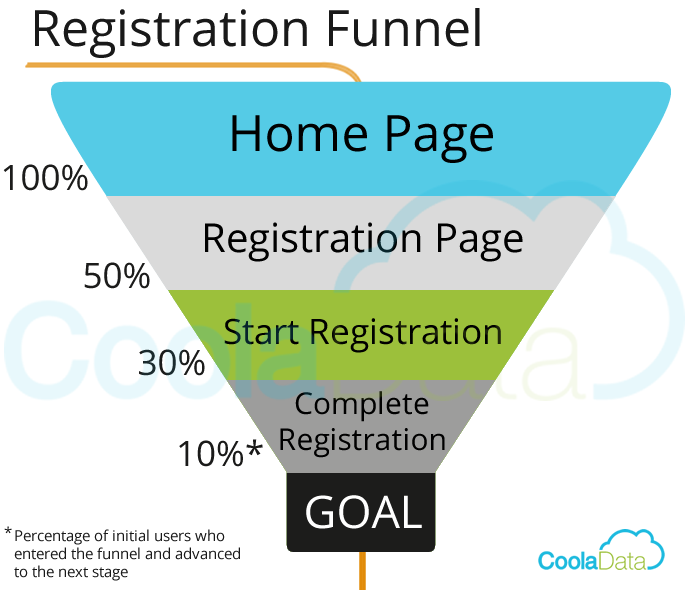
An effective sales funnel guides prospects from initial interest to final purchase.
This focused approach is key to maximizing conversions. A conversion happens when a visitor completes the desired action. For a landing page, that usually means filling out the lead form. By aligning the content of your ad, your landing page, and your marketing goal, you create a smooth journey for the user, which boosts your conversion rate.
A higher conversion rate means you get more leads from the same amount of ad spend, making your entire marketing effort more efficient. Landing pages also provide clear data. You can easily track how many people visited the page and how many converted, giving you direct insight into your campaign's performance.
You can also test different versions of your page to see what works best. This is called A/B testing. By changing one element at a time, like the headline or the CTA button color, you can measure which version converts more visitors. Over time, these small improvements can lead to significant gains in performance.
What is the primary purpose of a landing page in a digital marketing campaign?
A company's homepage and a campaign-specific landing page should be designed with the same broad set of goals.
Landing pages are a fundamental tool for turning interest into action.