AI-Powered Presentation Design
Introduction to AI in Presentations
A New Co-pilot for Your Presentations
Staring at a blank presentation with a deadline looming is a familiar feeling. Where do you start? What’s the best way to structure your ideas? How do you make it look good? For decades, creating a presentation meant manually crafting every slide, a process that could take hours or even days.
Now, artificial intelligence is changing the game. Think of it as a creative partner or a co-pilot. Instead of replacing your ideas, AI tools work alongside you to bring them to life more efficiently. They can help you organize your thoughts, design your slides, and even suggest what to say.
The goal isn't to have AI create the presentation for you, but to use it as a powerful assistant to help you create a better presentation, faster.
This integration of AI goes beyond simple templates or clipart. It's about using intelligent systems to handle the repetitive, time-consuming parts of presentation design. This frees you up to focus on what truly matters: your message and your audience.
The Benefits of an AI Assistant
Bringing AI into your workflow offers several clear advantages. The most obvious is speed. What once took hours of formatting and design can now be drafted in minutes. You can feed a document or a simple prompt to an AI tool, and it will generate a complete, structured slide deck to get you started.
AI also acts as a design consultant. Not everyone has a keen eye for visual design. AI tools can automatically apply design principles to create slides that are clean, professional, and visually consistent. They can suggest layouts, choose complementary color palettes, and find relevant imagery, removing the guesswork from making your presentation look polished.
By handling most of the heavy lifting, AI-powered generators allow users to focus on crafting high-quality content rather than spending hours formatting slides from scratch.
Finally, AI is a powerful tool for beating writer's block. If you're struggling to flesh out your ideas, AI can help brainstorm talking points, summarize complex information into digestible bullets, or even draft speaker notes. It provides a solid foundation that you can then refine and personalize.
How Did We Get Here?
AI's role in content creation didn't appear overnight. It's the result of a long evolution. Early forms of AI assistance were simple, like the spell checkers and grammar assistants that became standard in word processors. They could spot errors but couldn't understand context or create new content.
The real breakthrough came with the rise of machine learning and, later, generative AI. These technologies allow computers to learn from vast amounts of data and generate entirely new text, images, and other media. This is the same technology that powers today's advanced chatbots and AI image generators.
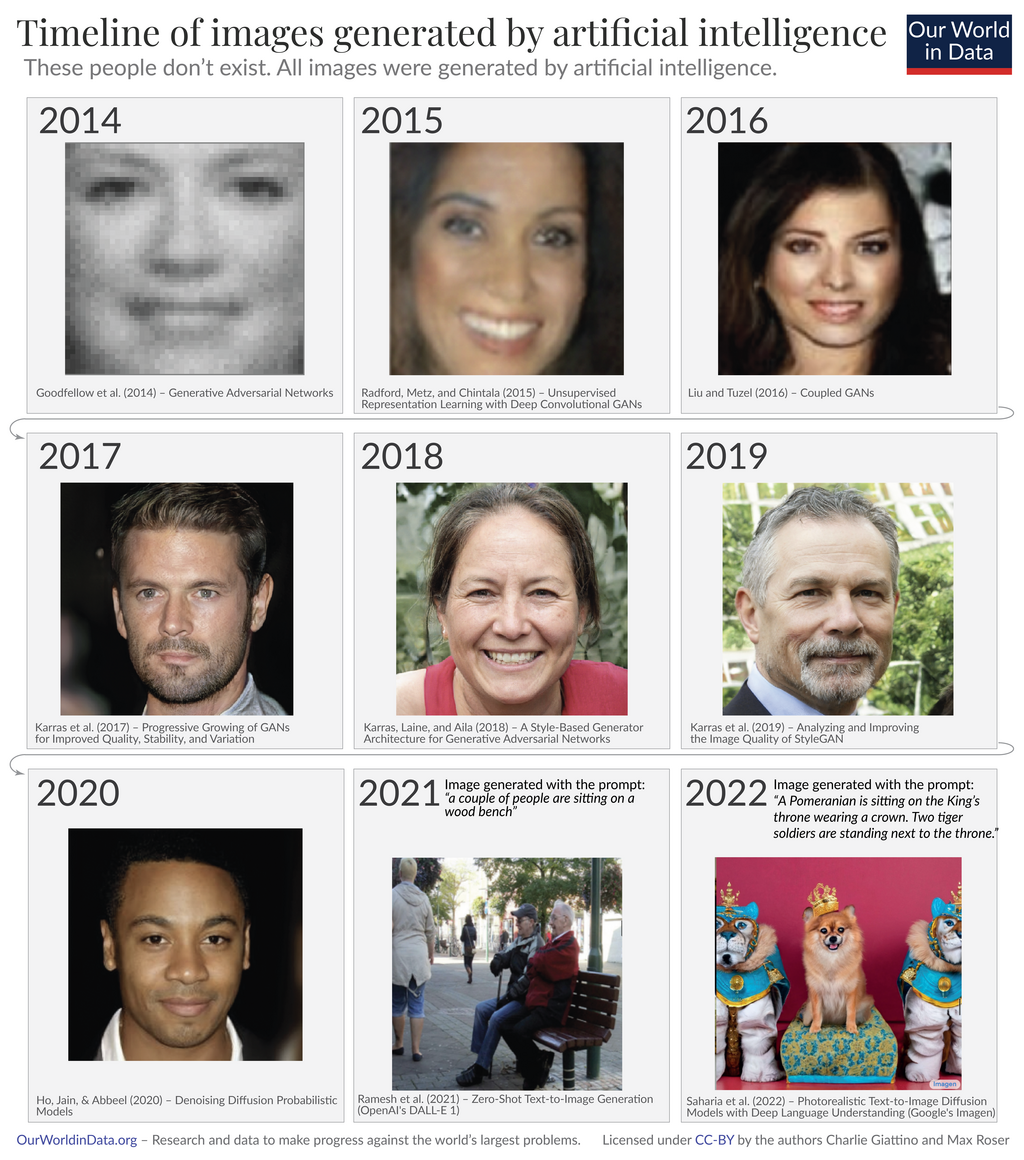
As these models became more powerful and accessible, developers began integrating them into productivity tools, including presentation software. The ability to understand a user's intent and generate a full set of slides from a brief instruction is a direct result of these decades of progress in artificial intelligence. This evolution has transformed AI from a simple proofreader into a true creative collaborator.
Let's check your understanding of these core concepts.
What is the primary role of AI in creating presentations, as described in the text?
According to the text, what was the key technological breakthrough that enabled modern AI presentation tools?
By understanding how AI can assist in the creation process, you're better equipped to leverage these tools to make your next presentation more impactful and less time-consuming.