AI-Powered Longevity Platform Launch
Understanding Health Data
What Is Health Data?
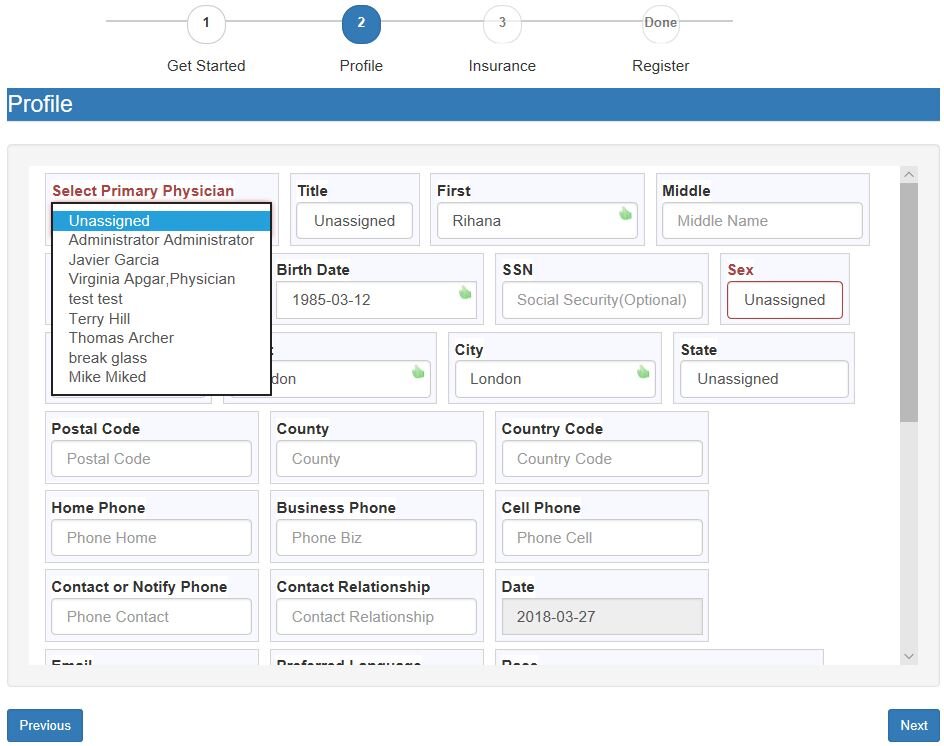
The world of healthcare runs on data. This information comes from many sources, each painting a part of a person's health picture. The most common source is the Electronic Health Record, or EHR. Think of it as a digital version of a patient's chart.
An EHR contains a patient's medical history, diagnoses, medications, treatment plans, immunization dates, allergies, and test results. It’s the core record a doctor uses.
Beyond the EHR, there are other crucial types of clinical data. Lab results from blood tests or biopsies provide specific metrics about a patient's condition. Imaging data, like X-rays, CT scans, and MRIs, gives a visual look inside the body to spot injuries or diseases.
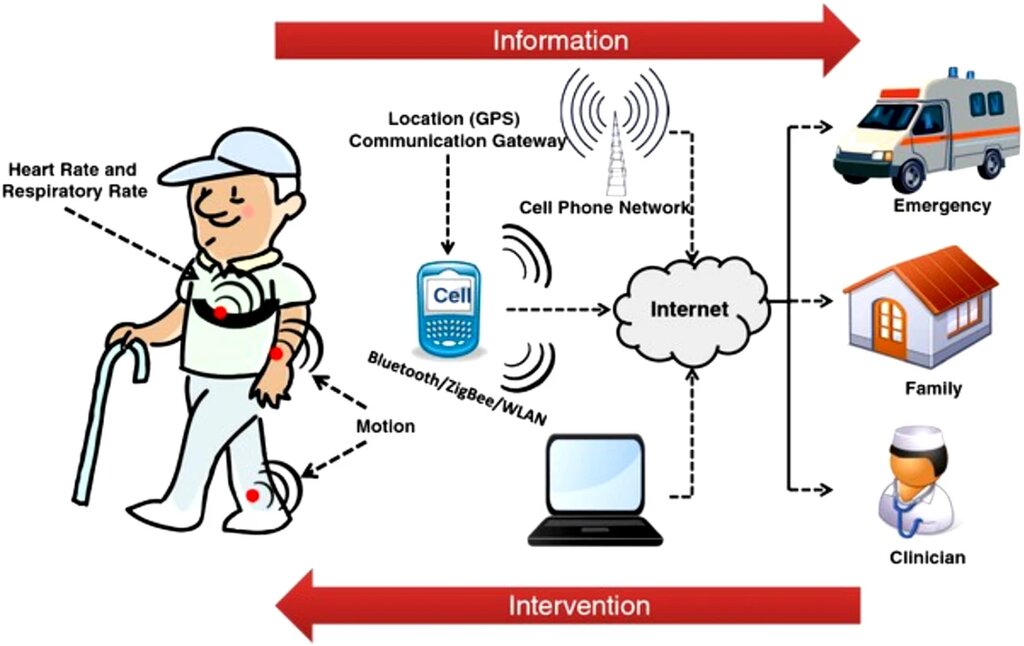
But data doesn't just come from clinics and hospitals anymore. A growing amount is patient-generated, coming from devices we use every day. Wearable technology, like smartwatches and fitness trackers, collects continuous information on heart rate, activity levels, and sleep patterns. This data offers a glimpse into a person's health between doctor visits.
Making Data Work Together
Simply having all this data isn't enough. For it to be useful, it needs to be high-quality, standardized, and interoperable.
Data quality refers to how accurate and complete the information is. A patient's record with a misspelled name or an incorrect birthdate can cause serious problems. High-quality data is reliable and trustworthy.
Standardization means using common formats and terminologies. For example, doctors in different hospitals might use different terms for the same condition. Standardizing this language ensures everyone is speaking the same medical dialect, preventing confusion.
Interoperability
noun
The ability of different information systems, devices, and applications to access, exchange, integrate, and cooperatively use data in a coordinated manner.
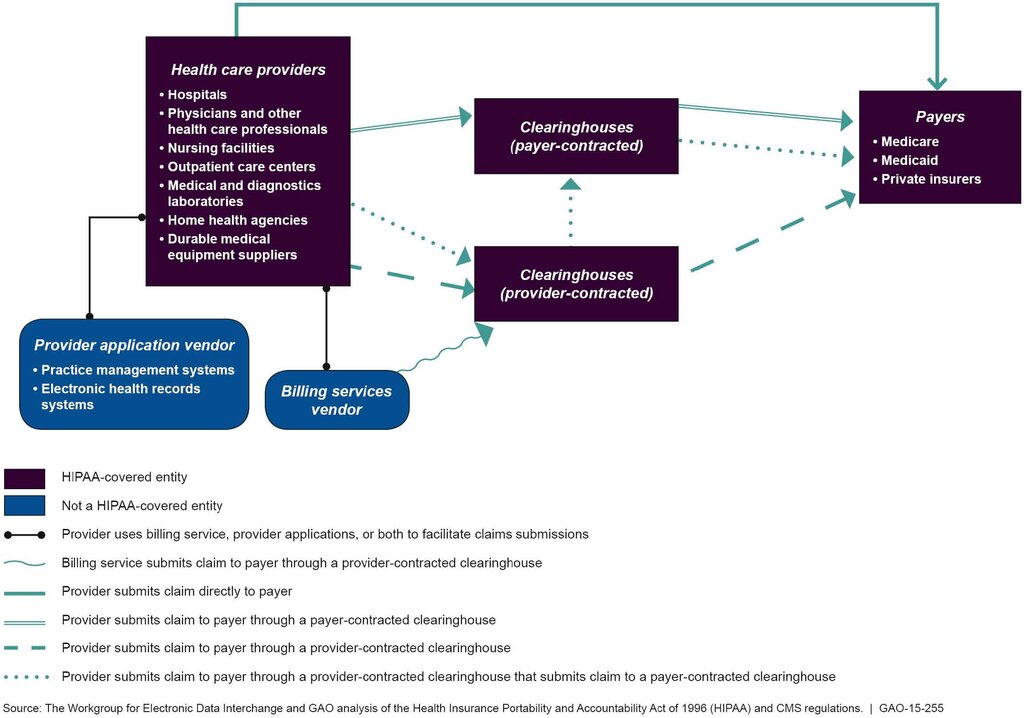
Interoperability is about connection. Imagine the healthcare system as a group of people who all speak different languages. Interoperability is the universal translator that allows them to communicate effectively. It enables a specialist to see lab results ordered by a primary care physician, or a pharmacy to receive a prescription electronically from a hospital. Without it, data stays locked in silos, and the complete patient picture remains fractured.
Keeping Data Safe
Health information is deeply personal. Protecting it is not just a good practice; it's a legal and ethical requirement. Data privacy and security are the cornerstones of trust between patients and the healthcare system.
Two key regulations govern the handling of health information. In the United States, the Health Insurance Portability and Accountability Act (HIPAA) sets the standard for protecting sensitive patient data. Any company that deals with protected health information must have physical, network, and process security measures in place and follow strict rules about how that data is used and shared.
HIPAA gives patients rights over their health information, including the right to get a copy of their records and find out who has accessed them.
In Europe, the General Data Protection Regulation (GDPR) provides a similar framework. While it applies to all personal data, not just health information, it has strict rules for handling sensitive health data. GDPR emphasizes giving individuals control over their personal information, requiring clear consent before their data can be collected or processed.
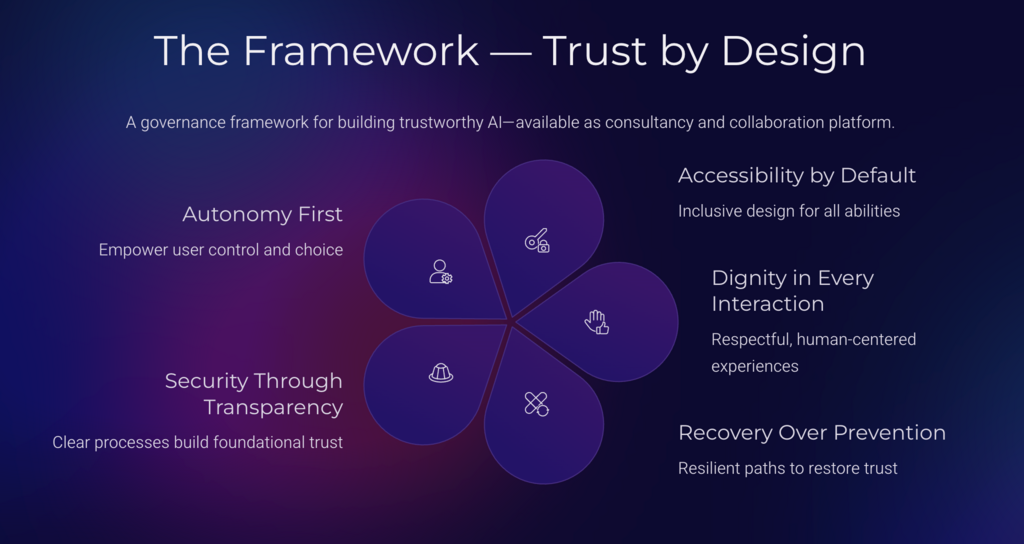
These regulations ensure that as we build powerful health technologies, we do so responsibly, always prioritizing the patient's right to privacy.
Now, let's test your knowledge of these foundational concepts.
What is the primary purpose of standardization in healthcare data?
Which concept allows different healthcare systems, like a primary care physician's office and a specialist's clinic, to effectively exchange and use patient information?