AI Powered Immersive Gaming
Introduction to AI in Interactive Experiences
What Is Artificial Intelligence?
Artificial intelligence is the science of making machines smart. The goal is to create computer systems that can perform tasks that normally require human intelligence, like learning, reasoning, problem-solving, and understanding language. Think of it as teaching a computer to think.
At its core, AI isn't one single technology. It's a broad field with many different branches. Some of the most important branches for creating interactive experiences are machine learning, natural language processing, and computer vision. These are the building blocks that allow games, simulations, and other applications to feel dynamic and responsive.
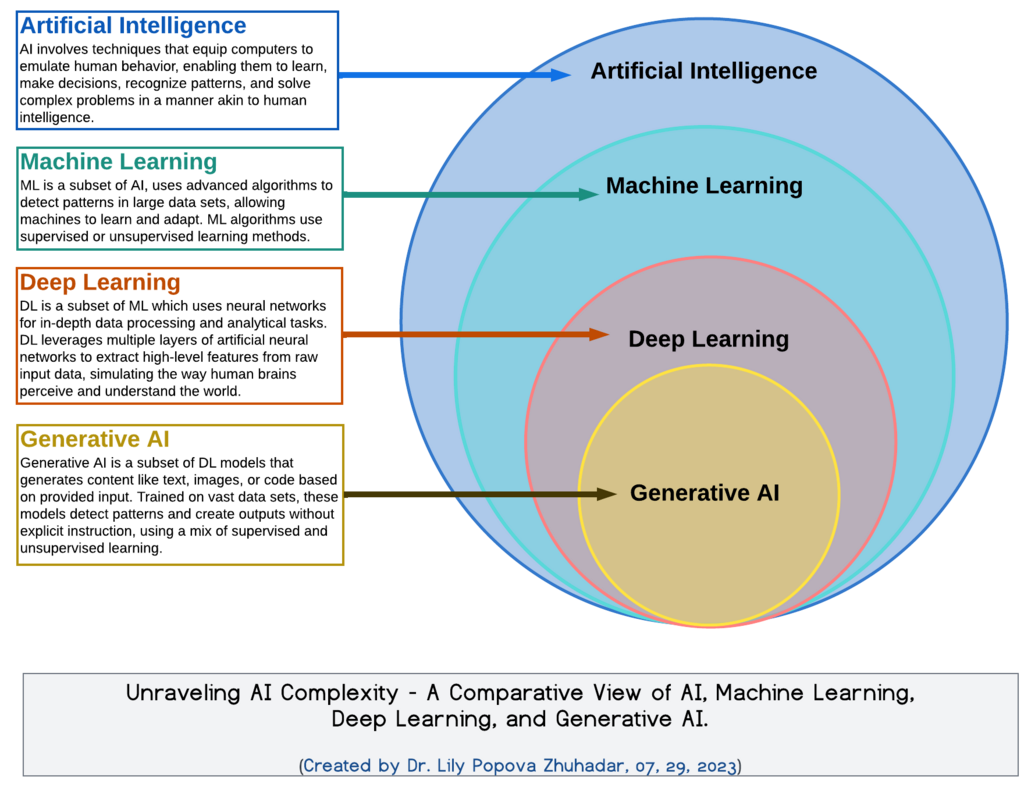
These different fields work together to create intelligent systems. Machine learning gives the system the ability to learn, while natural language processing and computer vision act as its eyes and ears, allowing it to perceive and understand the world in a more human-like way.
How Machines Learn
Machine learning (ML) is a core part of modern AI. Instead of programming a computer with a huge set of rigid rules, machine learning allows the computer to learn from data. It finds patterns and makes decisions on its own, improving over time with more experience.
Imagine teaching a child to recognize a dog. You don't list every single rule for what makes a dog. Instead, you show them many pictures of different dogs. Eventually, the child learns to identify a dog on their own, even one they've never seen before. Machine learning works in a similar way.
There are a few main ways machines learn. In supervised learning, the AI is given labeled data, like pictures of animals with their names attached. It's like learning with flashcards. In unsupervised learning, the AI gets unlabeled data and has to find patterns on its own, like sorting a pile of different toys into groups without being told what the categories are.
In interactive experiences, machine learning can be used to create an opponent that learns your play style or a game that adjusts its difficulty to keep you challenged but not frustrated.
Understanding Our World
For an AI to interact with us meaningfully, it needs to understand our language and see what we see. That's where natural language processing and computer vision come in.
Natural Language Processing (NLP) gives machines the ability to understand, interpret, and generate human language. This includes both text and speech. When you talk to a character in a game and they give a relevant response, that's NLP at work. It allows for more natural and immersive communication between the user and the system.
Computer Vision (CV) is the field of AI that trains computers to interpret and understand the visual world. Using digital images from cameras and videos, machines can identify and process objects just like humans do. In a training simulation, computer vision could be used to check if a user is performing a physical task correctly by tracking their movements. It could also power augmented reality games that place virtual objects in the real world.
Creating Dynamic Experiences
When you combine these AI technologies, you can create truly interactive and immersive experiences. Instead of a pre-scripted, predictable world, AI allows for environments that feel alive and responsive.
One key application is dynamic content generation. An AI can create new levels, challenges, or even stories on the fly, ensuring that the experience is different every time. This adds huge replay value and keeps users engaged.
Another is adaptive storytelling. Imagine a story that changes based on your decisions. Not just choosing between Path A or Path B, but subtle changes in dialogue, character relationships, and plot points that reflect how you play. AI can manage these complex narrative branches to create a unique story for every user.
Finally, AI makes personalized user interactions possible. Game characters can have more complex and believable behaviors. They might remember past interactions with you, have their own goals, and react realistically to the changing world around them. This makes the virtual world feel much more convincing and compelling.
What is the primary goal of Artificial Intelligence?
An AI system is given thousands of photos, each labeled as either 'dog' or 'cat', to learn how to identify them. This is an example of which type of machine learning?
By understanding these fundamentals, you can start to see how AI is not just a buzzword, but a powerful set of tools for building the next generation of interactive media.