AI Powered HubSpot Sales Funnels
Understanding Sales Funnels
What is a Sales Funnel?
A sales funnel is a model that illustrates the journey a potential customer takes, from first learning about your brand to making a purchase. Think of a physical funnel: wide at the top and narrow at the bottom. A large number of people might enter the top, but only a smaller group will come out the other end as customers.
This isn't a bad thing; it's natural. The goal is to guide as many qualified people as possible through the process. A well-structured funnel helps you understand your customers' behavior, identify areas where they might be dropping off, and pinpoint opportunities to improve their experience. By visualizing this path, businesses can create targeted strategies for each step, making their sales process more efficient and effective.
A sales funnel is a visual representation of the customer journey, outlining the steps prospects take from initial awareness to final conversion.
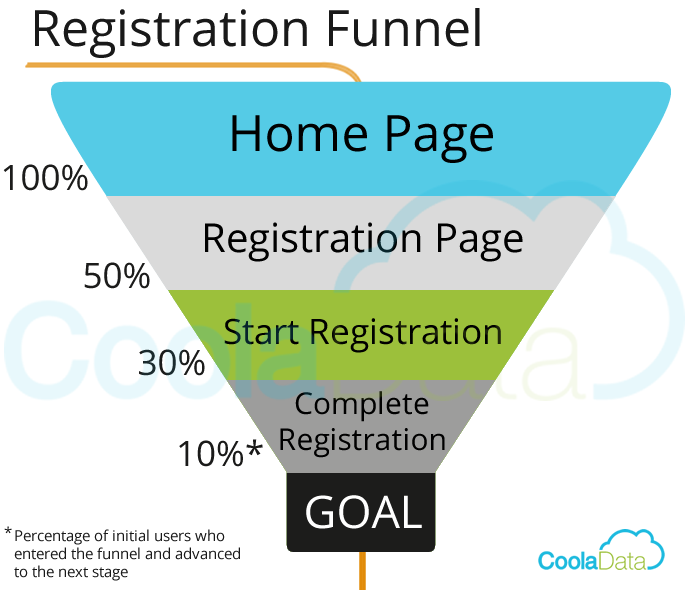
Understanding this journey allows you to meet potential customers where they are, offering the right information or incentive at the right time. It turns a random process into a predictable system for generating sales.
The Stages of a Sales Funnel
The classic sales funnel is often broken down into four key stages. Each one represents a different mindset for the potential customer and requires a unique approach from you.
1. Awareness This is the top of the funnel, where potential customers first become aware of your business. They might not be looking for a solution yet; they’ve simply stumbled upon you through a blog post, a social media ad, a search result, or word of mouth. The goal here is to attract a wide audience and make a good first impression.
2. Interest Once someone is aware of you, they move into the interest stage. Here, they are actively researching to understand their problem and the solutions available. They might subscribe to your newsletter, download an ebook, or follow you on social media. They're engaging with your content and learning more about what you offer.
3. Decision At this stage, the prospect is ready to make a purchase. They're comparing your product against competitors, looking at pricing, and seeking out reviews or case studies. Your goal is to give them the information they need to choose you. This could be through a compelling offer, a free trial, or a product demonstration.
4. Action The final stage is when the prospect takes action and becomes a customer. They click the "buy" button, sign the contract, or complete the purchase. But the journey doesn't end here. The action stage also includes customer retention. A positive post-purchase experience can lead to repeat business and referrals, which feeds new prospects right back into the top of your funnel.
Measuring Funnel Performance
You can't improve what you don't measure. Tracking the performance of your sales funnel is crucial for understanding what's working and what isn't. By monitoring key metrics at each stage, you can identify "leaks" where customers are dropping out and take steps to fix them. This data-driven approach allows you to optimize your strategy for better results.
| Stage | Key Metric | What It Tells You |
|---|---|---|
| Awareness | Website Traffic, Impressions | How many people are discovering your brand. |
| Interest | Lead Conversion Rate | How many visitors are engaging enough to share their info. |
| Decision | Demo Requests, Cart Adds | How many qualified leads are seriously considering a purchase. |
| Action | Purchase Conversion Rate | How many leads successfully become customers. |
Each metric provides a snapshot of your funnel's health. For example, high traffic but a low lead conversion rate might mean your website content isn't compelling enough. A high number of abandoned carts could signal an issue with your checkout process. Analyzing these numbers helps you make informed decisions to strengthen your sales process.
What is the primary purpose of a sales funnel?
A potential customer has downloaded a detailed guide from your website and is now comparing your product's features with two other competitors. Which stage of the sales funnel are they in?
With a clear understanding of the sales funnel, you have a powerful framework for turning strangers into loyal customers.