AI-Powered GRC for Telecom and Enterprise
Introduction to GRC
What Is GRC?
Every organization, from a small startup to a global telecom giant, needs a game plan. Without one, they're just reacting to events, hoping for the best. In the world of business and technology, that game plan is often called GRC, which stands for Governance, Risk Management, and Compliance.
Governance, risk, and compliance (GRC) is an operational strategy for managing an organization’s overall governance, enterprise risk management, and regulation compliance efforts.
Think of GRC as an integrated approach that helps a company align its goals with its obligations and the potential threats it faces. Instead of treating these three areas as separate silos, GRC brings them together. Let's break down each part.
Governance is the set of rules, policies, and processes that direct and control an organization. It's the 'how' and 'why' behind decisions. Think of it as the company's constitution. It defines who has authority, who is accountable, and how business is conducted to achieve its goals ethically and effectively.
Risk Management is the process of identifying, assessing, and mitigating potential threats. A 'risk' can be anything from a cyberattack to a natural disaster or a new competitor. The goal isn't to eliminate all risk, which is impossible, but to understand it and make smart decisions to reduce its potential impact.
Compliance means adhering to rules and regulations. These can be external laws (like data privacy laws) or internal policies (like a company's own code of conduct). Compliance ensures the organization operates within legal and ethical boundaries.
Why It Matters for Cybersecurity
In cybersecurity, GRC provides the structure for a security program. Without it, security efforts can be chaotic and ineffective. A company might buy the latest firewall but have no policy on who can access sensitive data. Or it might train employees on phishing but fail to assess the financial risk of a data breach.
GRC connects the dots. It ensures that security measures are not just technical fixes but are aligned with business objectives, risk appetite, and legal requirements. This framework helps an organization answer critical questions:
- What are our most valuable digital assets?
- What are the biggest cyber threats to those assets?
- Are we complying with industry regulations like GDPR or HIPAA?
- How much should we invest in security, and where?
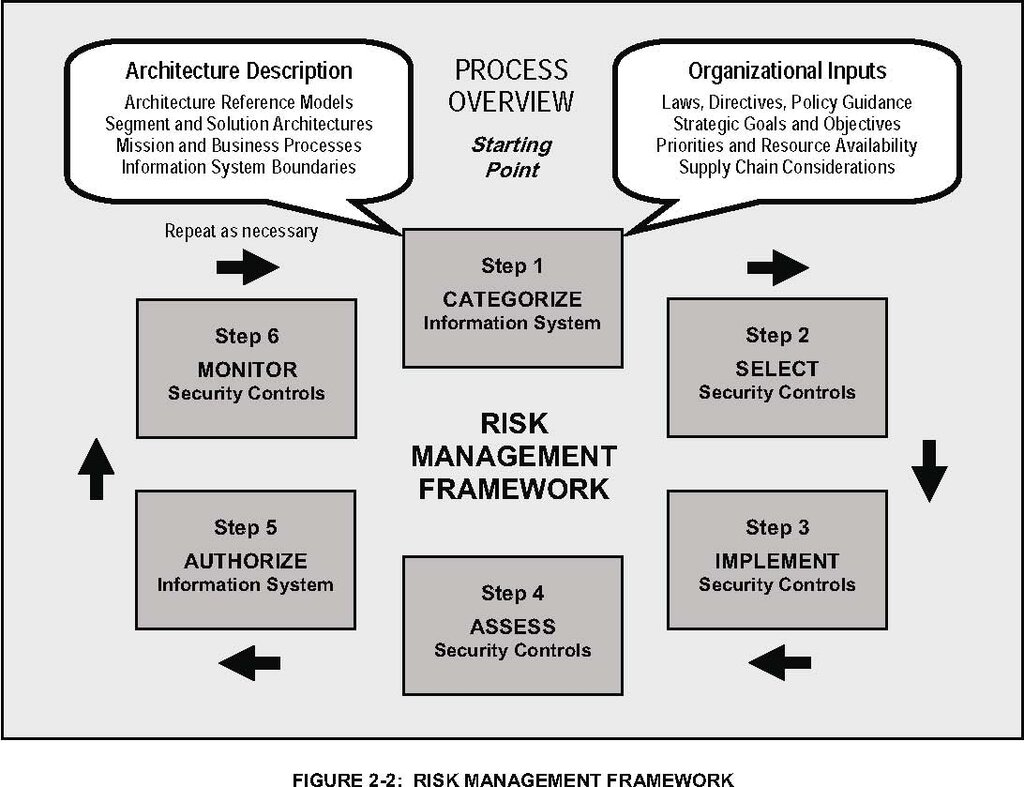
To guide their GRC strategies, organizations often rely on established frameworks and standards. These are like blueprints developed by experts. They provide a structured approach to managing security.
Two of the most common are:
- NIST Frameworks: The National Institute of Standards and Technology (NIST) in the U.S. provides several highly regarded frameworks, including the Cybersecurity Framework (CSF). It helps organizations manage and reduce cybersecurity risk.
- ISO/IEC 27001: This is a popular international standard for managing information security. Organizations can even get certified against this standard to demonstrate to customers and partners that they have a robust information security management system (ISMS) in place.
Challenges in Key Sectors
While GRC is important everywhere, some industries face unique hurdles. The telecom and enterprise sectors are prime examples.
Telecom companies manage critical national infrastructure. A disruption can affect millions of people and businesses. They handle massive amounts of personal data, making them a prime target for attackers. Their GRC challenges include:
- Complex Regulations: Telecoms are heavily regulated by government bodies around the world, covering everything from service availability to data interception.
- Rapid Technology Change: The rollout of new technologies like 5G and the Internet of Things (IoT) introduces new security vulnerabilities that must be managed.
- Vast Supply Chains: They rely on a global network of hardware and software vendors, and a vulnerability in any single component can pose a major risk.
For a large enterprise, GRC isn't just about protecting its own data; it's about protecting the data of its millions of customers and ensuring its services remain reliable.
Large enterprises in fields like finance, healthcare, and retail also have significant GRC challenges:
- Scale and Complexity: A global company might have hundreds of different IT systems, thousands of employees, and operations in dozens of countries, each with its own laws.
- Data Privacy: Regulations like the General Data Protection Regulation (GDPR) in Europe impose strict rules on handling personal data, with massive fines for non-compliance.
- Third-Party Risk: Enterprises work with countless vendors, partners, and contractors. Ensuring every third party meets the company's security standards is a huge GRC undertaking.
Ultimately, GRC is the backbone of a mature cybersecurity program. It transforms security from a reactive technical exercise into a strategic business function that enables an organization to thrive securely.
Now, let's test your understanding of these core concepts.