AI-Powered E-commerce Analytics
Introduction to LLMs
What Are Large Language Models?
Large Language Models, or LLMs, are advanced AI systems designed to understand and generate human language. Think of them as a super-powered version of the autocomplete on your phone. Instead of just suggesting the next word, an LLM can write entire essays, answer complex questions, and even create computer code.
The "large" in their name refers to two things: the immense amount of text data they are trained on and the huge number of parameters they contain. A parameter is like a knob the model can tune during training to improve its performance. The most powerful LLMs have hundreds of billions of parameters, allowing them to capture intricate patterns in language.
Large language models (LLMs) are AI systems that understand and create human language, doing tasks like summarizing articles, answering questions, writing code, and more.
These models don't "understand" text in the way a human does. Instead, they learn statistical relationships between words and phrases. By analyzing vast datasets, they figure out which words are likely to follow others in any given context. This probabilistic approach is what allows them to generate text that is coherent, relevant, and often surprisingly creative.
The Architecture Inside
At their core, LLMs are a type of neural network, a computing system inspired by the structure of the human brain. Specifically, modern LLMs are built on an architecture called the transformer, introduced in 2017. Before transformers, AI models processed text sequentially, word by word, which could be slow and lose context over long sentences.
The transformer was a breakthrough because it can process all words in a sentence at the same time. It uses a mechanism called self-attention, which allows it to weigh the importance of different words when interpreting or generating language. For example, in the sentence "The robot picked up the red ball because it was light," the attention mechanism helps the model understand that "it" refers to the "ball," not the "robot."
This ability to grasp context across long stretches of text is what makes LLMs so powerful for complex tasks like summarization and conversational AI.
How LLMs Are Trained
Training an LLM is a massive undertaking, typically broken into two stages: pre-training and fine-tuning.
Pre-training is the foundational step. The model is fed a colossal dataset containing text from the internet, digital books, articles, and other sources. This can amount to trillions of words. During this phase, the model's single task is to predict the next word in a sequence. For example, given the phrase "The cat sat on the...", it learns to predict "mat" with high probability. By doing this billions of times, the model develops a sophisticated understanding of grammar, facts, reasoning abilities, and even biases present in the training data.
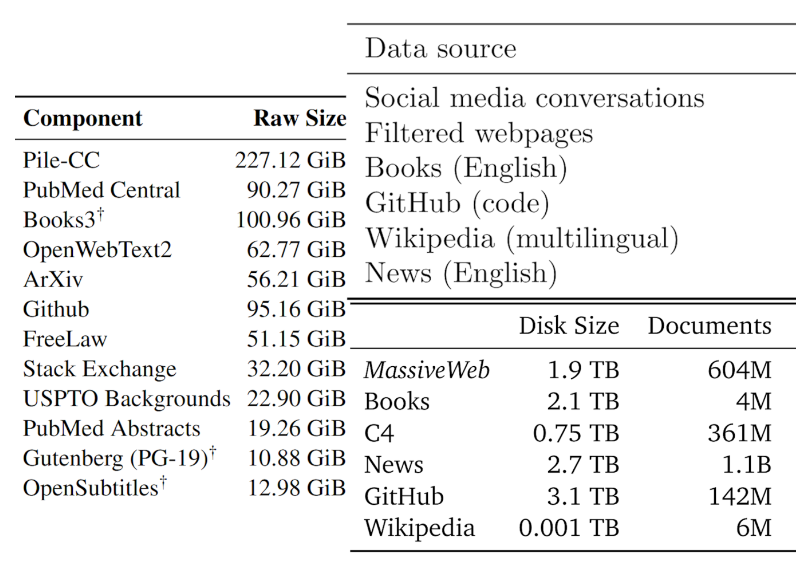
Fine-tuning comes next. After pre-training, the general model is further trained on a smaller, higher-quality dataset to refine its capabilities for specific tasks. For conversational agents like ChatGPT, this involves training on dialogue data and using feedback from human reviewers to align the model's responses with desired behaviors, such as being helpful, truthful, and harmless. This process is often called Reinforcement Learning with Human Feedback (RLHF).
Real-World Applications
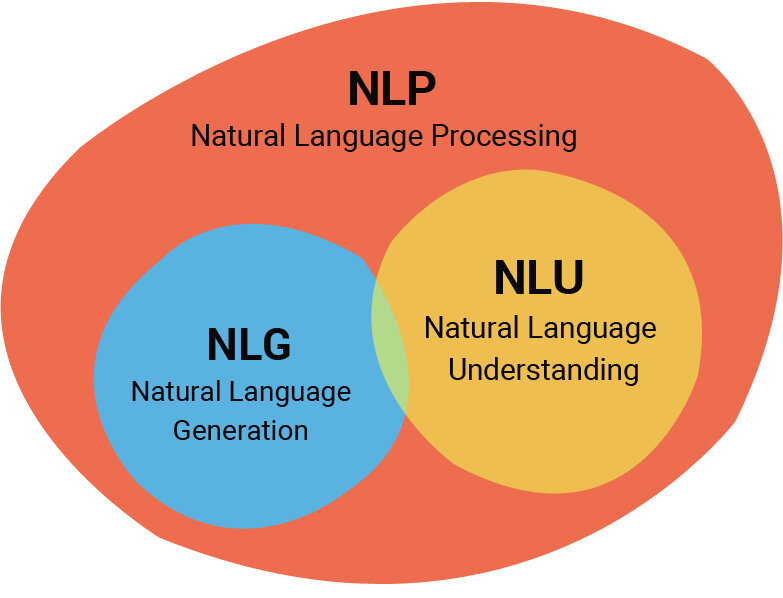
The ability of LLMs to understand and generate text has unlocked a wide range of applications across many industries. This field of AI is broadly known as Natural Language Processing (NLP), which itself includes Natural Language Understanding (NLU) and Natural Language Generation (NLG).
Some common applications include:
- Content Creation: Generating marketing copy, social media posts, and even news articles.
- Customer Service: Powering chatbots that can answer customer questions and resolve issues 24/7.
- Software Development: Writing code, debugging, and explaining what a piece of code does.
- Summarization: Condensing long documents, reports, or emails into key bullet points.
- Translation: Translating text between languages with greater nuance and accuracy than previous methods.
From writing emails to analyzing complex data, LLMs are becoming powerful assistants that augment human capabilities in countless professional and personal tasks.
As these models become more integrated into search engines and online platforms, they are fundamentally changing how we access information and interact with the digital world. Understanding how they work is the first step to leveraging their power effectively.