AI-Powered Data Analytics
Introduction to AI in Data Analytics
AI and Data Analytics
For a long time, data analytics was like driving while looking in the rearview mirror. Businesses used data to understand what had already happened. They could see sales figures from the last quarter or website traffic from yesterday. This was useful, but it was always a look back at the past.
Artificial intelligence changed the game. Instead of just looking back, AI allows us to look forward. It integrates into data analytics to find subtle patterns, predict future outcomes, and even suggest the best course of action. This shifts the focus from reporting on the past to shaping the future.
By analyzing vast amounts of data in real time, AI detects hidden patterns, predicts demand, and helps businesses make smarter, data-driven decisions.
This evolution is powered by several key AI methodologies. Think of AI as the overall field of making machines smart. Within that field are specific disciplines that are particularly important for data analytics.
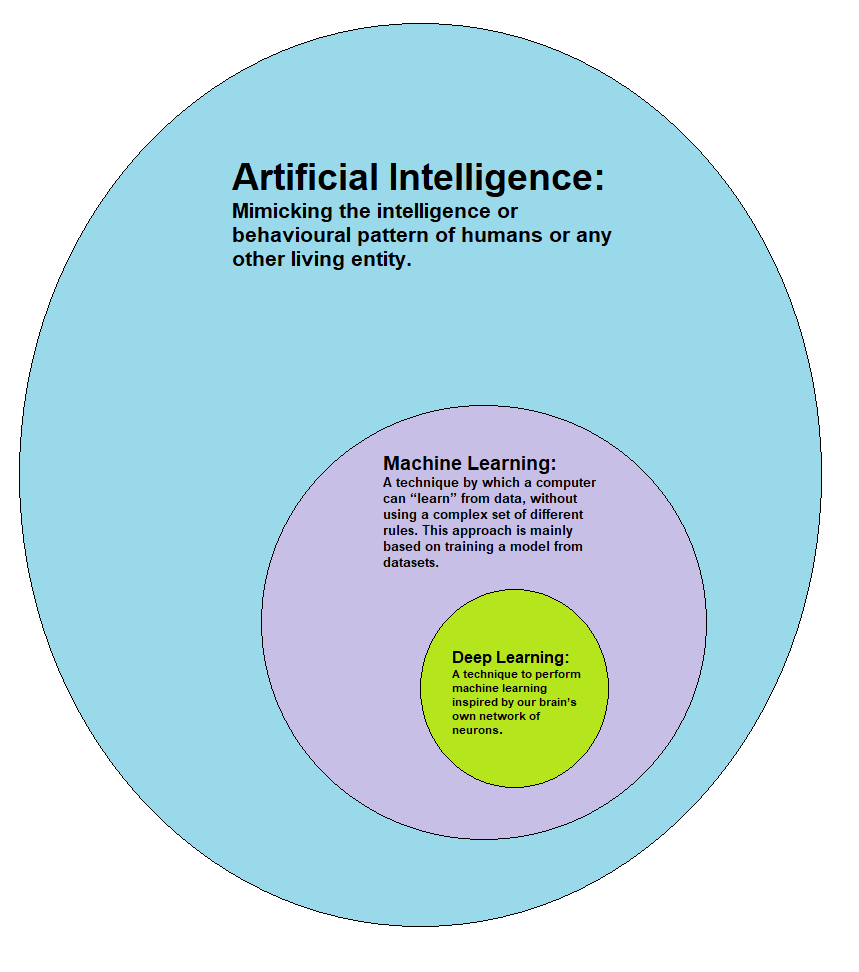
The three most important branches for data analytics are:
-
Machine Learning (ML): This is the engine of modern AI. ML algorithms learn directly from data without being explicitly programmed. They find patterns and make predictions. It’s like a person learning to identify different types of fruit by looking at thousands of pictures, rather than by being given a set of rules for what a banana or an apple looks like.
-
Natural Language Processing (NLP): This branch of AI gives computers the ability to understand, interpret, and generate human language. In data analytics, NLP can sift through massive amounts of unstructured text data, like customer reviews or social media posts, to gauge sentiment and identify key topics.
-
Deep Learning: This is a more advanced subset of machine learning inspired by the structure of the human brain. It uses complex networks to find intricate patterns in very large datasets. Deep learning is the technology behind things like facial recognition and self-driving cars, and it's used in analytics to solve highly complex problems, like identifying cancer cells in medical images.
Smarter Decisions, Faster
The core impact of AI on data analytics is the shift from reactive to proactive decision-making. Analytics now moves through three stages of sophistication.
Initially, businesses used descriptive analytics to understand past performance. With AI, they can now use predictive analytics to forecast future trends. For example, a retail company can predict which products will be in high demand next season.
The final step is prescriptive analytics, where AI doesn't just predict what will happen, but recommends actions to take. The system might suggest specific marketing campaigns to run or inventory levels to maintain to meet that predicted demand, optimizing the outcome.
AI turns data from a rearview mirror into a GPS, showing not just where you've been, but also the best route to your destination.
AI in Action
This technology isn't just theoretical; it's already transforming industries.
-
Finance: Banks use machine learning to analyze transaction data in real-time, instantly flagging suspicious activity to prevent fraud.
-
Healthcare: AI models analyze medical records and genetic data to predict a patient's risk of developing certain diseases, allowing for earlier, more effective intervention.
-
Retail: Online stores use AI to analyze your browsing history and past purchases to provide personalized product recommendations that you're more likely to be interested in.
-
Manufacturing: AI systems monitor sensor data from factory equipment to predict when a machine is likely to fail. This allows for maintenance to be scheduled proactively, preventing costly breakdowns.
By automating complex analysis and delivering more accurate predictions, AI empowers organizations to make smarter, data-driven decisions that can lead to greater efficiency, better customer experiences, and a stronger competitive edge.
What is the primary shift in data analytics caused by the integration of artificial intelligence?
A company analyzes thousands of customer support emails to identify common complaints and overall customer mood. Which AI discipline is best suited for this task?