AI-Powered Customer Segmentation
Introduction to AI in Marketing
A Smarter Way to Market
Artificial Intelligence (AI) is changing how businesses talk to their customers. In marketing, AI isn't about futuristic robots; it's about using smart technology to understand people better. It helps automate tasks, analyze data, and create marketing that feels personal and relevant.
From understanding customer behavior with uncanny accuracy to personalizing user experiences in real-time, AI empowers marketers and entrepreneurs to achieve unprecedented results with greater efficiency.
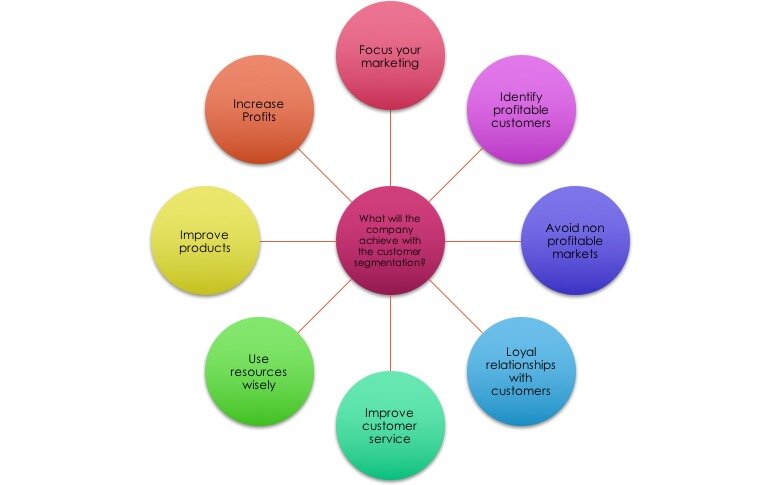
Instead of casting a wide net and hoping for the best, AI allows marketers to have more meaningful conversations with people who are actually interested in what they have to offer. One of the most powerful ways it does this is by reinventing customer segmentation.
Beyond Old-School Grouping
For years, marketers have grouped customers into segments. Think of it like sorting laundry. All the socks go in one pile, and all the shirts go in another. Traditionally, this sorting was based on broad categories.
Traditional segmentation often relies on demographics (age, gender), geography (city, country), or basic purchase history. A company might target all men aged 25-40 living in New York, for example.
This approach is better than nothing, but it's clumsy. It assumes everyone in that group thinks and acts the same way. AI offers a much sharper tool. It can sift through vast amounts of data to find subtle patterns that a human analyst would miss, creating groups based on how people actually behave. This allows for a more dynamic and accurate way to understand customers.
| Feature | Traditional Segmentation | AI-Driven Segmentation |
|---|---|---|
| Data Source | Static data like age, location | Dynamic data like clicks, browsing time, social media activity |
| Grouping Method | Manual, based on broad rules | Automated, based on complex behavioral patterns |
| Timing | Updated periodically (quarterly, yearly) | Adapts in real-time as customer behavior changes |
| Personalization | General (e.g., "For New Yorkers") | Highly specific (e.g., "For recent visitors who viewed hiking boots") |
The difference is like comparing a map to a live GPS. The map gives you a general layout, but the GPS tells you what's happening right now and helps you navigate around a traffic jam. AI acts as that live guide for marketers.
Seeing a Step Ahead
Two key concepts make AI-driven segmentation so powerful: real-time data processing and predictive analytics.
Real-time data processing means the system analyzes information as it comes in. When you click on a product online, an AI system knows it instantly. It doesn't wait for a weekly report. This allows a brand to react immediately, maybe by showing you a related item or a special offer. It’s a continuous conversation that adapts on the fly.
AI personalization marketing means using artificial intelligence to analyze customer behavior and deliver content, offers, and messages tailored to the individual—in real time and at scale.
Predictive analytics takes this a step further. By analyzing past behavior, AI can make educated guesses about what a customer might do next. It identifies patterns that suggest future actions.
For instance, if a customer buys a new camera, predictive analytics might suggest they'll be in the market for a memory card or a camera bag next week. The system doesn't just react to what you've done; it anticipates what you might need. This shift from reactive to proactive marketing is a game-changer, making marketing more helpful and less intrusive.
Time to check your understanding of these core ideas.
What is the primary advantage of using AI for customer segmentation compared to traditional methods?
The text compares AI-driven segmentation to a 'live GPS' and traditional segmentation to a 'map'. What does this analogy illustrate?
By understanding customers on a deeper, more individual level, AI helps businesses build stronger connections and deliver real value.