AI-Powered Course Generation
Introduction to AI in Education
What is AI, Really?
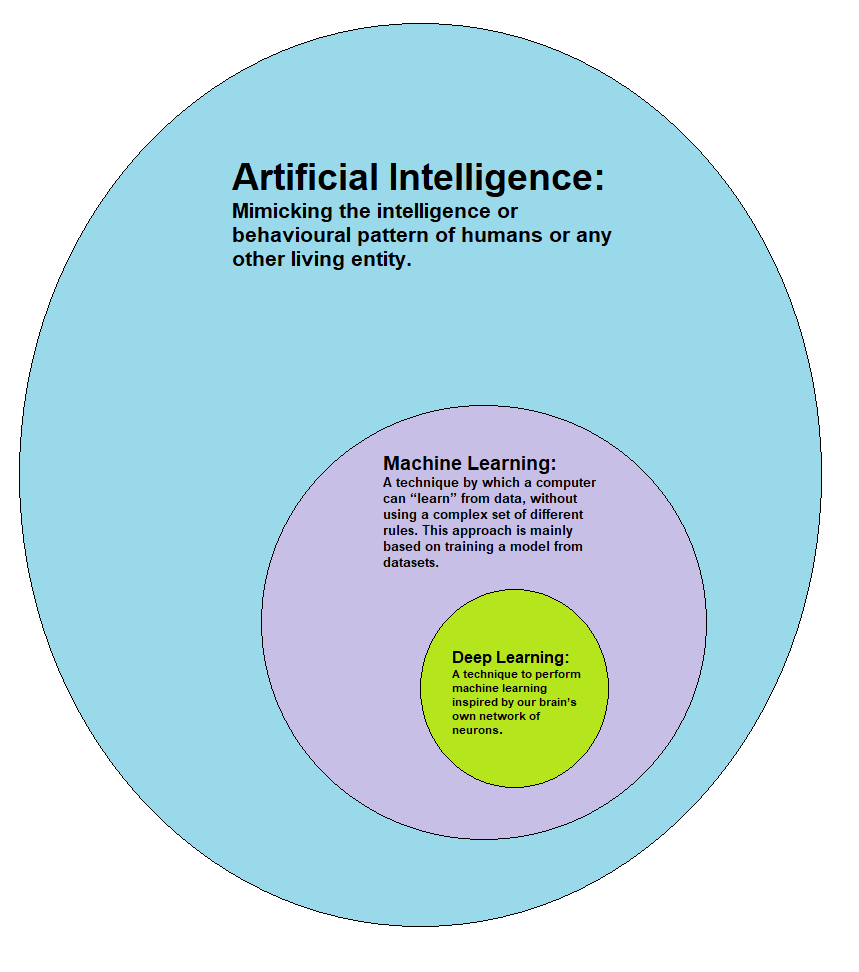
At its core, Artificial Intelligence (AI) is about creating computer systems that can perform tasks that typically require human intelligence. This includes things like learning from experience, solving problems, understanding language, and recognizing patterns.
Think of it less as a single technology and more as a broad field. Some AI is designed for one specific task, like recommending a movie. Other, more complex systems can handle a wider range of activities. In education, AI isn't about replacing teachers with robots. It's about building smart tools that can support both educators and students in new ways.
A Quick Trip Back in Time
The idea of AI in education isn't new. As far back as the 1970s, researchers were exploring 'intelligent tutoring systems.' These early programs aimed to mimic a human tutor, guiding students through problems with customized feedback. They were based on rigid rules and were limited by the computing power of the time.
For decades, AI in education remained a niche field. But with the rise of the internet, big data, and powerful processors, AI has evolved dramatically. Modern systems can learn and adapt from vast amounts of information, moving beyond simple rule-based instructions to provide truly dynamic and responsive learning experiences.
AI in Today's Classroom
Today, AI is no longer a futuristic concept; it's a practical tool being used in schools around the world. Its applications are varied and growing.
One of the most powerful uses is personalized learning. AI can analyze a student's performance and create a unique learning path that focuses on their specific strengths and weaknesses. If a student is struggling with algebra, an AI-powered platform can offer extra practice problems and video tutorials on that topic, while allowing another student to move ahead to more advanced concepts.
AI also helps with administrative tasks. Systems can now automate the grading of multiple-choice tests and even provide feedback on written assignments, checking for grammar and structure. This frees up teachers from time-consuming work, allowing them to focus more on classroom instruction and one-on-one student interaction.
In the context of school education, AI can personalize learning, enhance teaching tools, automate administrative tasks, and improve access to quality education, especially in underserved areas.
Intelligent tutoring systems are now far more sophisticated, acting as 24/7 assistants for students. They can answer questions, explain complex ideas in different ways, and provide instant support when a teacher isn't available.
Benefits and Hurdles
The integration of AI into education brings clear benefits. It can make learning more engaging, efficient, and accessible. Students get support tailored to their needs, and teachers get powerful tools to enhance their instruction and reduce their administrative load. AI can also provide valuable data, giving educators insights into learning trends and helping them identify students who might be falling behind.
However, adopting AI also presents significant challenges. One major concern is data privacy. Educational AI systems collect large amounts of student data, and ensuring this information is secure and used responsibly is critical.
Another challenge is algorithmic bias. If an AI system is trained on biased data, it can perpetuate or even amplify existing inequalities. For example, a system might unfairly favor students from certain demographic backgrounds if the data reflects historical biases.
Finally, there's the human element. Technology should be a tool to support great teaching, not replace it. Striking the right balance is key. The goal is to use AI to foster critical thinking and creativity, ensuring students don't become passive consumers of information.
Artificial Intelligence (AI) in education offers transformative potential for personalized learning and administrative efficiency but raises ethical concerns about fairness, privacy, and accountability.
What is the primary goal of using Artificial Intelligence (AI) in education?
How have intelligent tutoring systems evolved from their early versions in the 1970s?
As we move forward, the conversation around AI in education will continue to evolve. Understanding its core functions, potential, and pitfalls is the first step toward harnessing it responsibly.