AI-Powered Contextual Intelligence Systems
Advanced Data Integration
Unifying Your Digital World
Your organization's data is everywhere. It's not just in neat databases. It's scattered across personal computers, tucked away in cloud storage like Google Drive, buried in email threads, and flying by in communication platforms like Slack. The old methods of manually connecting these sources are too slow and brittle for the modern world.
The real challenge isn't just collecting this data; it's weaving it into a single, intelligent system. This means moving beyond basic pipelines and using AI to create a cohesive knowledge base that understands context, adapts to new information, and works in real time.
AI-Powered Data Fusion
Think of a detective solving a case. One witness provides a description, another finds a piece of evidence, and a third overhears a conversation. Each clue is useful, but the real breakthrough comes when the detective fuses them together to see the full picture. AI-powered data fusion does the same thing for your organization's information.
It's the process of combining data from multiple, disparate sources to generate information that is more consistent, accurate, and useful than that provided by any individual source. AI excels at this by identifying subtle connections and patterns that humans would likely miss. It can understand that a customer support ticket, a Slack message from an engineer, and a log file on a server are all related to the same underlying issue.
This fusion process creates a foundation for deeper understanding. But simply having all the data in one place isn't the end goal. The data needs to be reshaped and refined into a consistent, usable format. This is where transformation comes in.
Intelligent Transformation
Traditional data transformation relies on rigid, predefined rules. You might write a script that expects a sales report to always have a date in the first column and a total in the fourth. If someone adds a new column or changes the date format, the script breaks. This approach is too fragile for the dynamic nature of modern data.
Intelligent data transformation uses AI to understand the meaning of the data, not just its position. An AI model can look at that same sales report and identify the date and the total sales figure regardless of where they appear. It can extract action items from meeting notes, summarize long email chains, and pull key terms from a PDF document automatically. This flexibility is crucial for building a system that doesn't break every time a data source is updated.
The goal is to move from rigid, rule-based mapping to a flexible, meaning-based understanding of data.
Once data is fused and transformed, the final step is to create a layer that makes this knowledge accessible and useful to applications in real time.
The Semantic Layer
A semantic layer is a business-focused map of your data. It translates complex data structures into familiar business terms. Instead of asking for SELECT SUM(sales_usd) FROM fy24_q3_transactions, a user can simply ask, "What were our total sales last quarter?" The semantic layer handles the translation.
Integrating this layer in real time is a game-changer. When a new email arrives or a file is updated, the semantic layer should instantly reflect that change. AI makes this possible by continuously monitoring data streams, understanding new information as it arrives, and updating the semantic map on the fly. This ensures that every decision is based on the most current and complete information available.
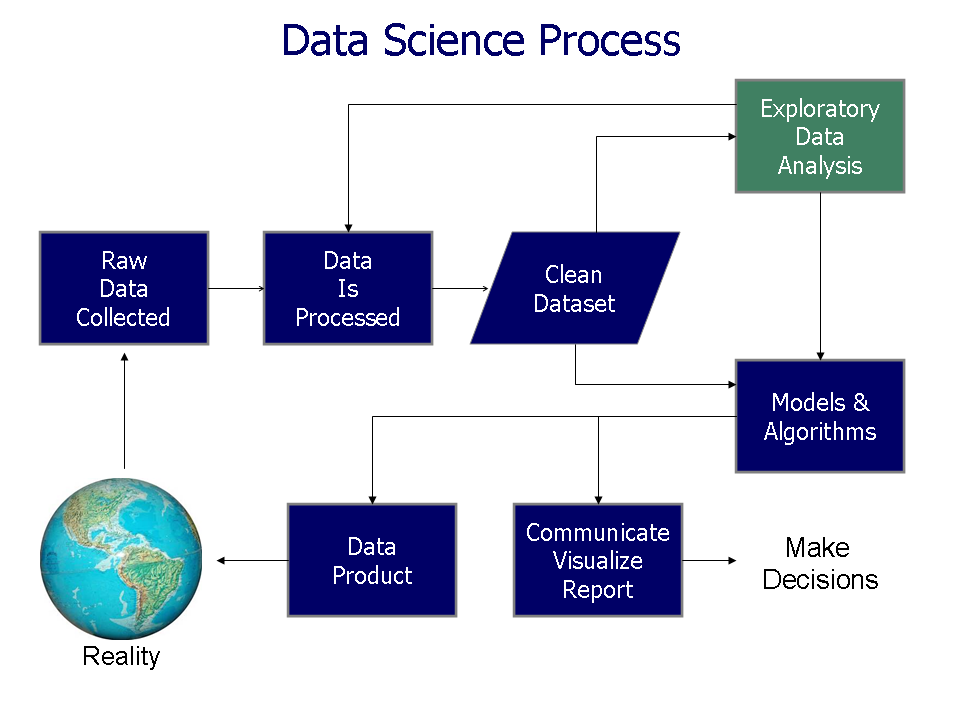
With these components in place, you can build powerful strategies for ensuring all your data works together seamlessly.
Putting It All Together
Achieving true data interoperability requires a deliberate strategy. It's not just a technical problem, but an organizational one. The key is to implement an AI-driven integration plan that can handle the complexity and scale of modern data ecosystems.
Start by identifying the most critical data sources. You don't need to connect everything at once. Focus on high-value integrations first, like linking customer communications from email and Slack with your internal project management tools.
Next, deploy AI models for fusion and transformation. These models will learn the patterns and structures within your data, creating a unified view. Finally, build a real-time semantic layer on top of this fused data. This will serve as the single source of truth for all your applications, from business intelligence dashboards to customer-facing AI assistants.
This approach turns a scattered collection of data into a powerful, unified asset. It allows your organization to move faster, make smarter decisions, and unlock insights that were previously hidden in disconnected silos.
According to the provided text, what is the primary drawback of traditional, manual methods for connecting data sources?
What is the key advantage of using AI for data fusion?
This advanced approach to data integration is what separates organizations that are simply collecting data from those that are truly putting it to work.