AI-Powered Coding with CLI Feedback Loops
AI Code Generation Basics
AI That Writes Code
At its core, an AI coding assistant is a tool that helps developers write code. Think of it as a pair programmer that has read nearly every public piece of code ever written. You describe what you want in plain English, and the AI translates your request into functional code. These assistants are often integrated directly into the software developers use to write code, called an Integrated Development Environment (IDE).
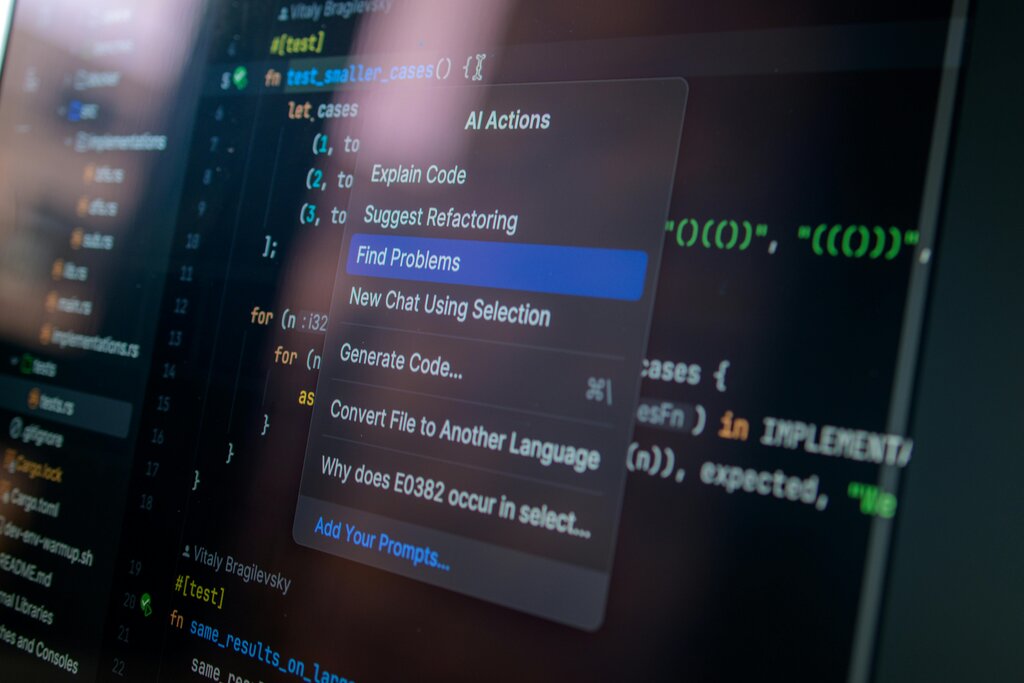
Instead of just suggesting a single word or sentence, these tools can generate entire functions, classes, or boilerplate code from a simple comment or prompt. This fundamentally changes the workflow for many programmers, shifting some of the focus from writing syntax to clearly describing intent.
How AI Learns to Program
AI models aren't born with coding knowledge. They learn by analyzing immense datasets of human-written code. The primary source for this data is public code repositories, like GitHub, which host billions of lines of code across thousands of programming languages. During training, the model processes this code, learning the syntax, patterns, logic, and common practices of programming. It identifies relationships between comments and the code that follows, or how a function's name relates to its operation. This massive exposure allows it to predict what code is likely to follow a given prompt or incomplete line.
This training process is why AI can often generate code that is idiomatic, or
Capabilities and Limitations
AI coding tools are powerful but not perfect. They excel at specific tasks.
Capabilities:
- Boilerplate Code: Generating repetitive code, like setting up a new component or writing standard functions.
- Code Snippets: Creating small, self-contained blocks of code to perform a specific task, such as reading a file or making a network request.
- Language Translation: Converting a function from one programming language to another, for example, from Python to JavaScript.
- Explanation: Analyzing a block of code and describing its purpose in plain English.
- Unit Tests: Writing tests to verify that a piece of code works as expected.
# Prompt: Python function to fetch data from a URL
# and return it as JSON

import requests

def fetch_json_data(url):
    """Fetches data from a URL and parses it as JSON."""
    try:
        response = requests.get(url)
        response.raise_for_status()  # Raise an exception for bad status codes
        return response.json()
    except requests.exceptions.RequestException as e:
        print(f"An error occurred: {e}")
        return None
Despite these strengths, AI-generated code comes with significant challenges.
Limitations:
- Bugs and Errors: The code can be subtly incorrect or contain bugs that are difficult to spot.
- Security Vulnerabilities: It may produce code with security flaws if trained on insecure examples.
- Outdated Practices: The model might generate code using old libraries or deprecated methods.
- Lack of Context: Without a deep understanding of the entire project, the AI can generate code that doesn't fit the overall architecture.
- Hallucinations: The AI can invent functions or libraries that don't exist.
Always treat AI-generated code as if it were written by a junior developer. It's a great starting point, but it needs to be carefully reviewed, tested, and understood before being used in production.
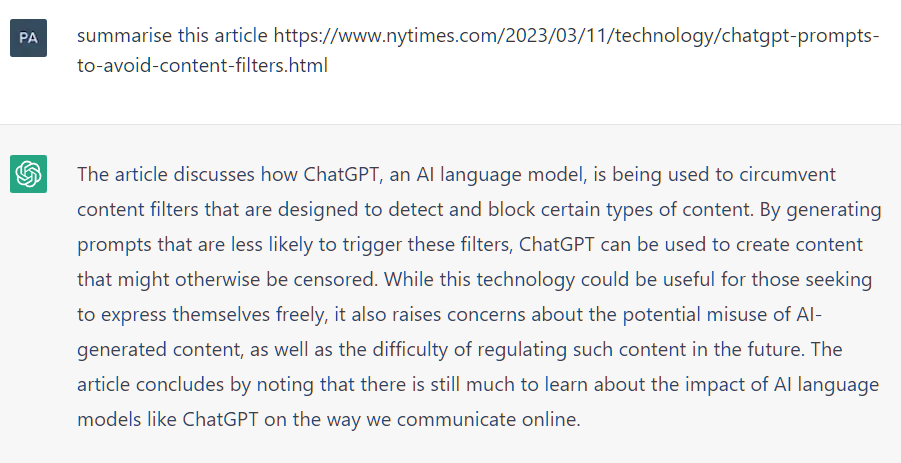
Understanding these limitations is key to using these tools effectively. They are powerful assistants, not replacements for developer expertise and judgment.
What is the primary source of data used to train AI coding assistants?
A developer asks an AI assistant for a piece of code and it provides a function named connectToQuantumDatabase(), even though no such database library exists. This is an example of a: