AI Powered Automation Without Code
Introduction to No-Code and Low-Code Automation
What is No-Code and Low-Code?
Many jobs involve repetitive tasks, like copying data from one app to another or sending the same email every week. Automation is about teaching a computer to do these tasks for you. It's a way to build a workflow, a series of steps that run on their own, so you don't have to.
automation
noun
The use of technology to perform tasks or processes with minimal human assistance.
Traditionally, creating these automated workflows required writing code. But that's changing. No-code and low-code platforms have made automation accessible to everyone, not just programmers.
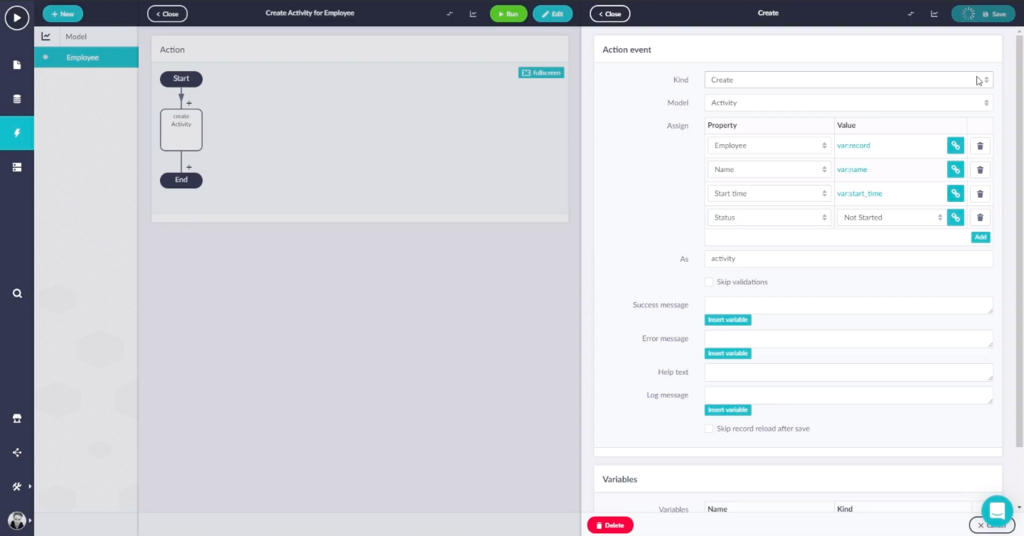
No-code platforms are exactly what they sound like. You can build automated workflows using visual, drag-and-drop interfaces. If you can build a flowchart, you can use a no-code tool. You connect different apps and tell them what to do when something happens—for example, "When I get a new email with an invoice, save the attachment to a specific folder in Google Drive and add a new row to a spreadsheet."
Low-code platforms are a step up. They also use visual builders, but they allow you to add custom code for more complex or specific needs. They act as a bridge, speeding up development while still offering the power and flexibility of traditional programming.
No-code platforms enable non-technical users, such as marketers or administrators, to create automations using drag-and-drop interfaces, eliminating the need for coding skills.
Why Bother Automating?
The main benefit of automation is saving time. By handing over boring, repetitive work to a machine, you free up your day for tasks that require creativity, critical thinking, and human interaction.
It also reduces mistakes. Humans make typos and forget steps. A well-built automation follows the same process perfectly every time, which improves accuracy and consistency. This efficiency boost allows teams and entire companies to get more done without working longer hours.
Ultimately, automation lets people focus on the more valuable parts of their job. Instead of managing data entry, you can analyze the data to find insights. Instead of manually sending follow-up emails, you can focus on building relationships with clients.
No-Code vs. Low-Code
Choosing between no-code and low-code depends on your goals and your technical comfort level. No-code is designed for speed and simplicity. It empowers people without a technical background to solve their own problems quickly.
Low-code offers a higher ceiling. It's great for building more sophisticated applications or for developers who want to accelerate their workflow by using pre-built components for common tasks. It sacrifices some of the simplicity of no-code for greater power and customization.
| Feature | No-Code | Low-Code |
|---|---|---|
| Target User | Non-technical users (marketers, business owners) | Developers or technical users |
| Flexibility | Limited to platform's features | Highly flexible with custom code |
| Speed | Very fast for simple tasks | Fast, but customization takes time |
| Learning Curve | Low and intuitive | Moderate, requires some coding knowledge |
The Tool Landscape
The world of automation tools is growing fast. You'll find platforms designed for all sorts of needs. Some, like Zapier and Make, specialize in connecting different web applications together. Others, like Bubble, allow you to build entire web applications without code. Tools like Webflow are used for designing and building websites visually.
These platforms are no longer niche. They are being adopted across nearly every industry. Marketing teams use them to manage social media campaigns. Sales teams automate lead tracking. HR departments use them to streamline onboarding for new hires. As technology becomes more integrated into every job, the ability to build simple automations is becoming a key skill.
The trend is clear: automation is becoming more accessible. You no longer need to be a programmer to build tools that make your work and life easier.