AI-Powered Automation Without Code
Introduction to No-Code/Low-Code AI Automation
Escape Repetitive Work
We all have parts of our jobs that feel like a grind. Replying to the same types of emails, copying data from one app to another, generating the same report week after week. These tasks are necessary, but they drain time and energy that could be spent on more creative, important work.
This is where automation comes in. The idea is simple: let technology handle the repetitive chores for you. In the past, this required a team of software developers writing complex code. Not anymore.
No-code AI tools let you build smart workflows, automate repetitive tasks, and launch intelligent apps—all without writing a single line of code.
Modern tools fall into two main categories: no-code and low-code.
| Platform Type | Who It's For | How It Works |
|---|---|---|
| No-Code | Anyone, no technical skill needed. | Use a visual, drag-and-drop interface to connect apps and build workflows. |
| Low-Code | People with some technical comfort. | Mostly visual, but allows for small snippets of code for more custom or complex tasks. |
The key benefit is speed and accessibility. You don't need to be a programmer to build powerful solutions. If you can map out a process on a whiteboard, you can build it with a no-code platform.
Making Automation Smart with AI
Traditional automation is about rules. If a new email arrives with an invoice, then save the attachment to a specific folder. It's useful, but limited.
AI-driven automation is different. It can understand, decide, and create. Instead of just following rigid rules, it can analyze the content of the invoice, extract the amount due and the sender's name, and then log that information in a spreadsheet. It adds a layer of intelligence.
This sequence of trigger, action, and output is called a workflow. With no-code tools, you can chain together different services you already use, like Gmail, Slack, Google Sheets, and more, creating custom workflows that fit your exact needs.
What About Python?
Python is one of the most popular programming languages for automation and AI. Many of the no-code and low-code platforms you'll encounter are built using Python behind the scenes. It’s the powerful engine running the show.
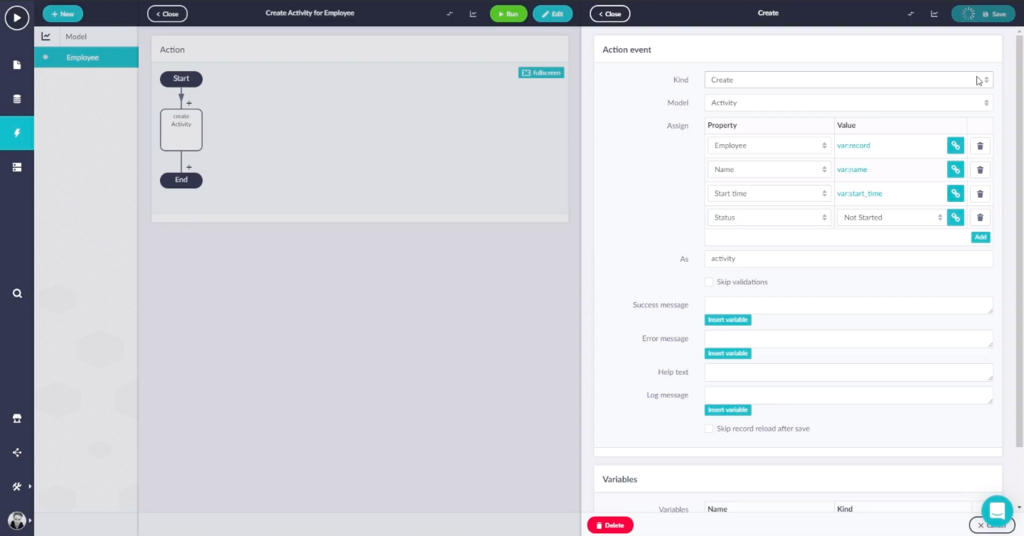
The good news is, you get the power of Python without needing to learn the language itself. The platform handles the complexity, giving you a simple visual interface to work with. For those who do have some coding knowledge, low-code platforms offer the best of both worlds. You can build most of your workflow with drag-and-drop tools and then add a small Python script to handle a particularly tricky or unique step that the visual builder doesn't support.
Think of it this way: no-code platforms are like driving an automatic car, while low-code platforms are like driving a car with a manual option. Both get you where you're going, but one gives you a bit more control if you know how to use it.
Ready to see what you can automate? Here are just a few examples:
- Social Media Management: Automatically create a social media post whenever a new blog article is published.
- Sales Outreach: When a new lead fills out a form on your website, automatically add them to your CRM, find their company info on LinkedIn, and draft a personalized outreach email.
- Meeting Notes: After a recorded video call, automatically generate a transcript, a summary, and a list of action items, then share them in a team chat channel.
Let's check your understanding of these core ideas.
What is the primary advantage of using no-code automation platforms?
How does AI-driven automation fundamentally differ from traditional, rule-based automation?
By offloading repetitive tasks to smart, automated workflows, you free yourself up to focus on the work that truly matters.