AI-Powered Automation Without Code
Introduction to Automation
What is Automation?
At its core, automation is the practice of using technology to perform tasks that would otherwise require human effort. Think about the repetitive, predictable jobs you do every day, like copying data from one spreadsheet to another, sending the same follow-up email, or sorting files into folders. Automation is about teaching a computer to handle these things for you.
Imagine you’re a librarian who has to manually check in every returned book, scan its barcode, update the library's digital catalog, and then place it on a cart for reshelving. It's a necessary but time-consuming process. Now, what if you had a system that automatically scans the book, updates the catalog, and sorts it into a bin for the correct section? That’s automation. It frees up the librarian to help people find books, run reading programs, and do more engaging, creative work.
The goal isn't to replace humans, but to free up their time and mental energy for tasks that require critical thinking, creativity, and strategic planning.
Tools for Everyone
You might think automation is only for software developers who can write complex code. A decade ago, that was largely true. But today, a new wave of tools has made automation accessible to everyone, regardless of their technical background. These are called no-code and low-code platforms.
No-code platforms are like building with digital LEGOs. They provide visual, drag-and-drop interfaces that let you connect different apps and services to create a workflow. You define a trigger (like "When I receive a new email with an invoice") and then an action (like "Save the attachment to my 'Invoices' folder in the cloud"). You don't write a single line of code.
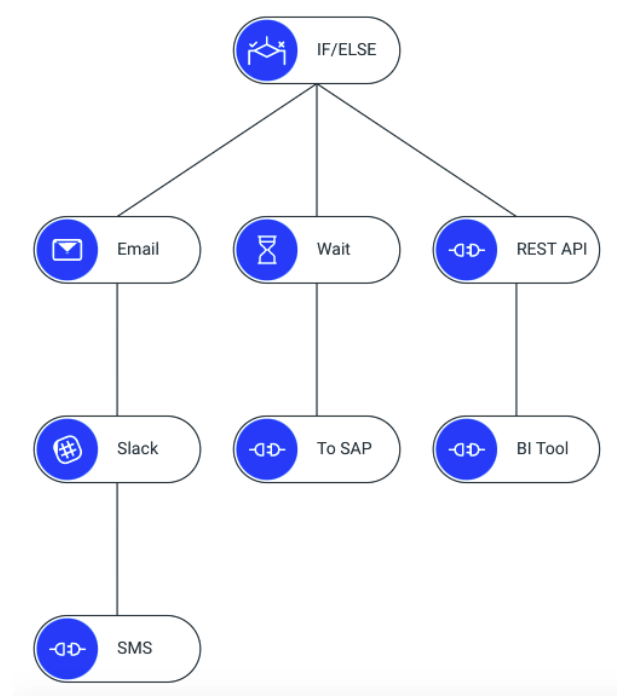
Low-code platforms are a step up. They also use visual builders but allow for small snippets of code to be added for more customization or to handle more complex logic. This approach gives you more power and flexibility without requiring you to build everything from scratch.
No-code automation platforms empower both technical and non-technical users to automate processes using graphical user interfaces, rather than relying on conventional computer programming.
The Benefits of Automation
Bringing automation into your work has several clear advantages. The most obvious is a boost in efficiency. Tasks that once took hours of manual effort can be completed in seconds, allowing you and your team to accomplish more in less time.
Automation also dramatically improves accuracy. Humans make mistakes, especially when performing boring, repetitive tasks. A well-designed automated workflow will perform the task perfectly every single time, reducing errors in data entry, file management, and communications.
Finally, by handing over the tedious work to machines, you free yourself to focus on what really matters. Instead of being bogged down by routine administrative tasks, you can spend your time solving complex problems, interacting with customers, and thinking strategically about the future.
What is the core purpose of automation in a work context?
A marketing manager wants to automatically save email attachments from a specific client to a designated cloud folder. They have no coding experience. Which type of platform would be most suitable for them?
Automation is a powerful tool for boosting productivity. By understanding the basics of no-code platforms, you can start identifying and automating the repetitive parts of your own work.