AI-Powered App Development for Beginners
Understanding AI Coding Tools
Your AI Coding Partner
Imagine describing an app you want to build in plain English, and then watching the code for it appear on your screen. This isn't science fiction; it's the reality of AI-powered coding tools. These assistants act as a translator between human language and programming languages, dramatically lowering the barrier to software development.
Instead of needing to master the complex syntax of a language like Swift or Kotlin, you can focus on the what and the why of your application. You describe the functionality, and the AI handles the initial task of writing the code. This approach opens up app development to a much wider audience, including designers, entrepreneurs, and project managers who have great ideas but lack a traditional coding background.
This AI-assisted coding methodology, where developers describe desired functionality in natural language and let AI generate the underlying code, promises unprecedented speed and accessibility.
Meet Claude Code
Many AI coding assistants are available, but we'll focus on a particularly capable one: Claude Code. It's designed to be a versatile partner in the development process.
Claude Code is Anthropic’s AI coding assistant designed to help developers fix bugs, refactor code, or even write complete programs from scratch.
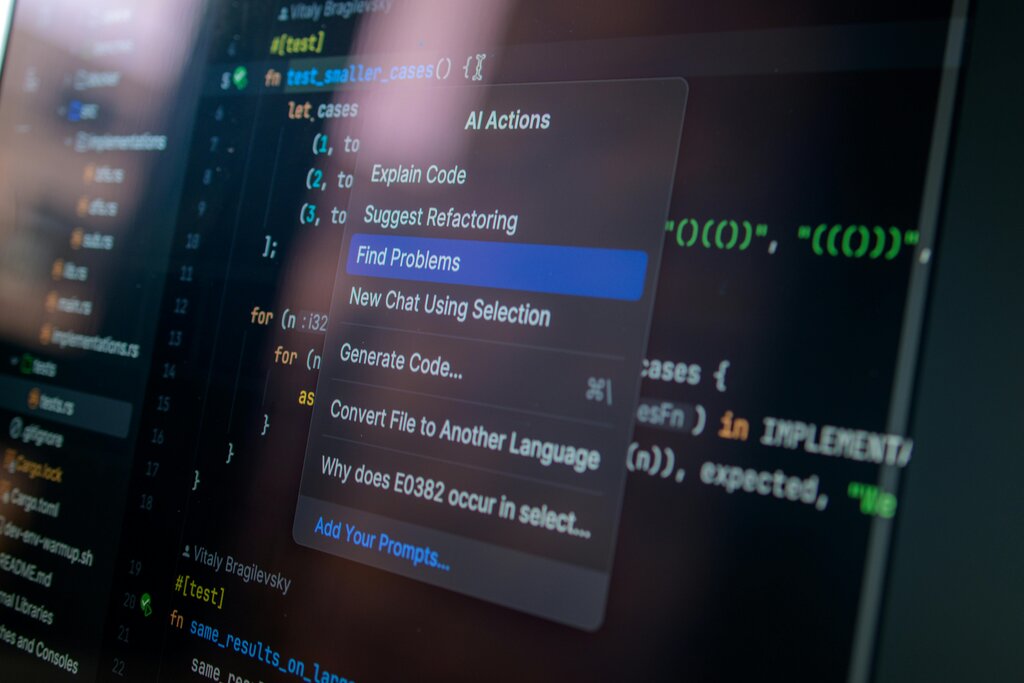
Think of it as more than just a code generator. It can help you debug existing code by analyzing it for errors and suggesting fixes. It can also refactor code, which means restructuring it to be more efficient or readable without changing its external behavior. For non-technical users, this means you can generate an initial app and then ask the AI to help you clean it up or solve problems that arise.
Capabilities and Caveats
AI coding tools offer significant benefits, especially for those new to development. They accelerate prototyping, allowing you to turn an idea into a testable app in a fraction of the time it would take with traditional methods. They also serve as a learning tool, exposing you to code and programming concepts in a practical context.
However, it's crucial to understand their limitations. These tools are not infallible. They can sometimes generate incorrect or inefficient code, an issue often called "hallucination." The quality of the output is also highly dependent on the quality of the input. Vague descriptions lead to vague results. You still need a clear vision for your app's logic and user flow.
| Capability | Benefit for Non-Coders | Limitation |
|---|---|---|
| Code Generation | Creates functional code from natural language descriptions. | Requires very specific, detailed prompts to be accurate. |
| Debugging | Identifies and suggests fixes for errors in code. | May not always find the root cause or suggest the best fix. |
| Refactoring | Improves existing code's structure and efficiency. | Can sometimes misunderstand the code's original intent. |
| Explanation | Explains what a block of code does in plain English. | Explanations can be oversimplified or miss subtle nuances. |
A New Way of Building
Working with an AI coding assistant requires a mental shift. You move from being a bricklayer, placing each line of code carefully, to being an architect, describing the final structure and letting the AI manage the construction.
This process is less about writing code and more about clearly defining specifications. Your main job becomes articulating your vision with precision so the AI can execute it effectively.
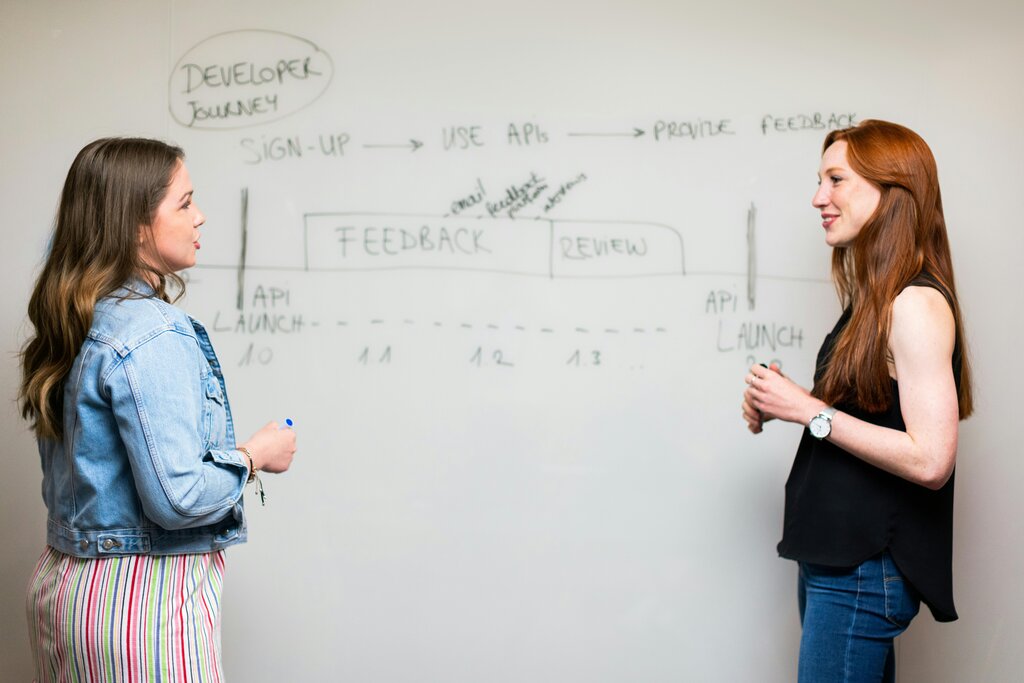
This new workflow empowers you to build and iterate rapidly. You can test ideas, build prototypes, and get user feedback without a massive upfront investment in learning to code or hiring a development team. It puts the power of creation directly in the hands of the visionary.
What is the primary way AI-powered coding tools lower the barrier to software development?
The text describes a shift from being a "bricklayer" to an "architect" when using an AI coding assistant. What does this metaphor mean?
Now that you understand the role of AI coding assistants, we can begin to explore how to use them to build a real application.