AI Platforms and Models Guide
Modern AI Basics
What AI Really Is in 2026
Forget flying cars and robot butlers. The artificial intelligence of today is less about science fiction and more about practical, everyday help. Think of AI as a digital 'brain'—a powerful system designed to process vast amounts of information and use it to complete tasks. It’s a tool, much like a calculator or a word processor, but one that can understand, create, and reason in ways we've never seen before.
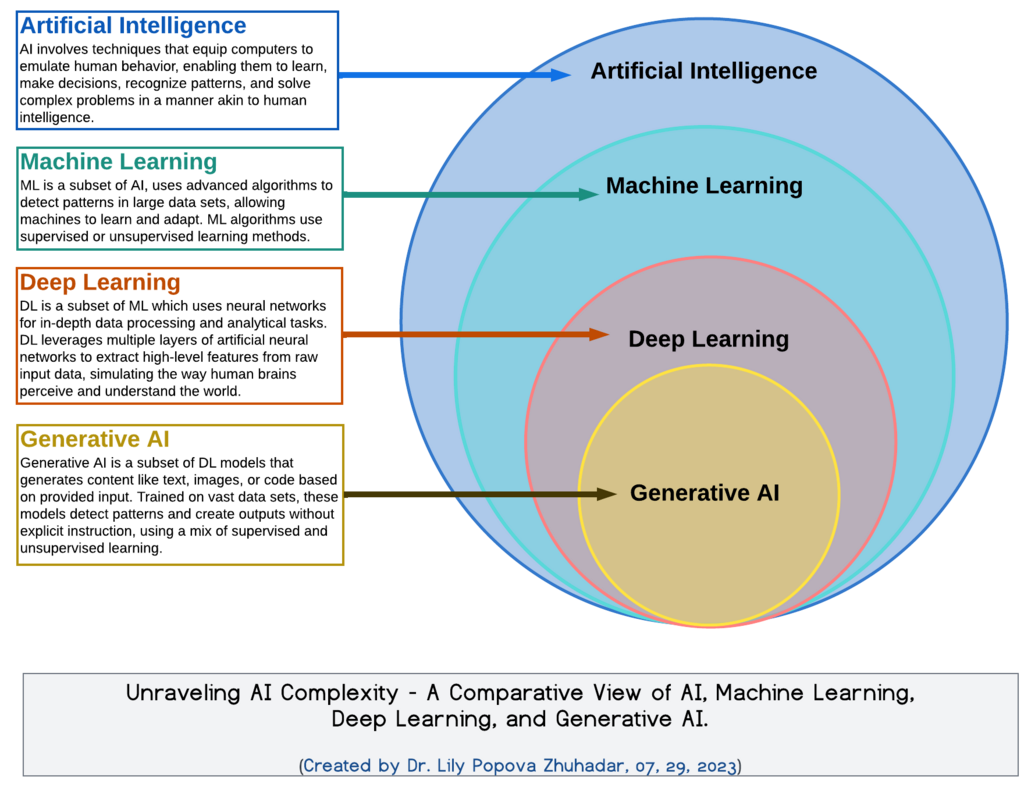
In 2026, when people talk about AI, they're almost always referring to Generative AI a specific type that creates, or generates, new content. This isn't AI that just sorts spreadsheets or identifies spam emails. This is AI that can write a poem, design a logo, compose a piece of music, or write computer code from scratch. It builds something new rather than just organizing what's already there.
The Super-Librarian
So how does it work? Imagine a librarian who has read every book, article, and website ever published. This super-librarian remembers everything, understands the connections between different ideas, and recognizes patterns in language and imagery. Now, imagine you can ask this librarian not just to find information, but to write a brand new story in the style of your favorite author or explain a complex topic in simple terms. That's the core idea behind the (LLMs) that power today's AI tools. They have processed a massive portion of the internet and use that deep knowledge to generate original responses to your prompts.
A simple chatbot from 2015 could only give pre-written answers. An LLM in 2026 can create a unique, coherent paragraph on nearly any subject.
Software vs. AI
This new capability marks a fundamental shift from traditional software. A classic computer program follows explicit, hard-coded rules. A calculator, for instance, is programmed with the rules of arithmetic. It can only do what its code strictly permits. If a rule doesn't exist, it can't function.
An AI model, on the other hand, learns patterns from data. It isn't given a giant book of rules for writing English; it learns grammar, style, and facts by analyzing billions of examples. This is why AI can handle ambiguity and creativity. It's the difference between a tool that follows a blueprint and one that can draw a new blueprint on its own.
By 2026, AI has become a utility, much like electricity or the internet. It's no longer just for developers and data scientists. It's a tool for everyone, helping to automate writing, accelerate research, and unlock new forms of creative work. Understanding this basic shift is the first step to harnessing its power.
What is the primary function of "Generative AI" as described in the text?
The text compares the Large Language Models (LLMs) that power today's AI to what?