AI Photo Restoration
Introduction to Digital Image Restoration
Why Old Photos Fade
Before digital cameras, photographs were physical objects. They were created with light, paper, and chemicals. Like any physical thing, they don't last forever. The paper can become brittle, and the chemical emulsions that form the image can fade, crack, or react to their environment.
Over time, exposure to sunlight, humidity, or fluctuating temperatures can cause significant damage. A photo stored in a hot, damp attic will degrade much faster than one kept in a cool, dry album. The result is often a faded, discolored, or damaged image that barely resembles the original moment it captured.
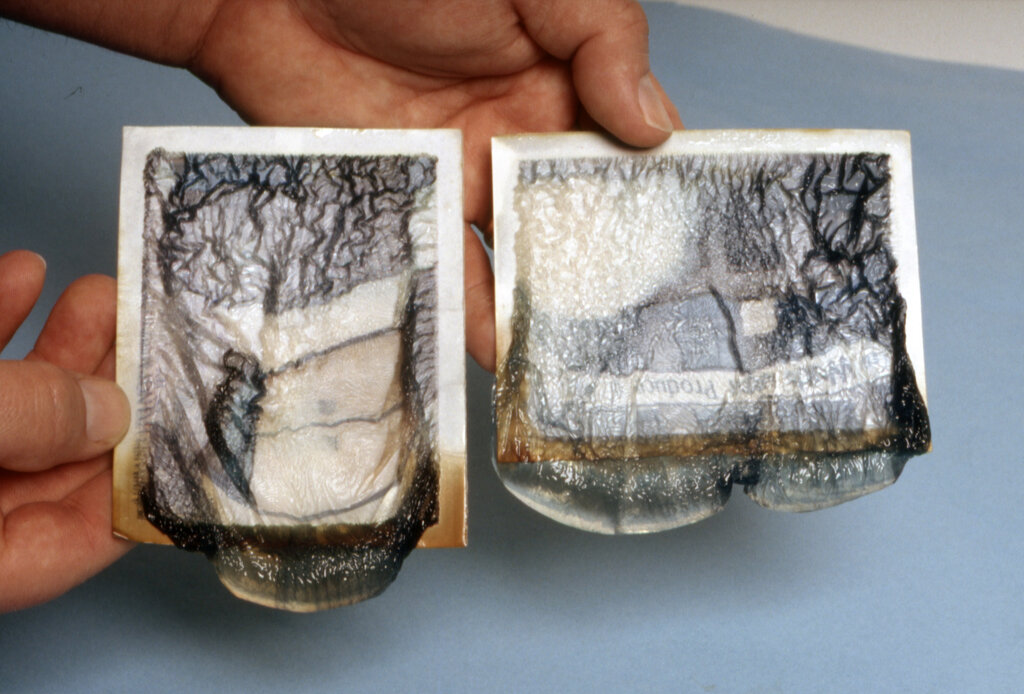
Common types of damage include:
- Scratches and Tears: Physical rips or abrasions on the surface of the photo.
- Fading and Discoloration: The image loses contrast and its colors shift, often turning yellow or sepia.
- Stains and Spots: Caused by mold, water, or other contaminants.
- Creases: Folds in the paper that break the image emulsion.
- Missing Pieces: Sections of the photograph that have been completely torn away.
More Than Just an Image
Restoring an old photograph is about more than just fixing a picture. It’s about preserving a memory. These images are often the only visual records of family history, connecting us to relatives we’ve never met and moments we never saw. They are personal archives, holding sentimental value that is impossible to replace.
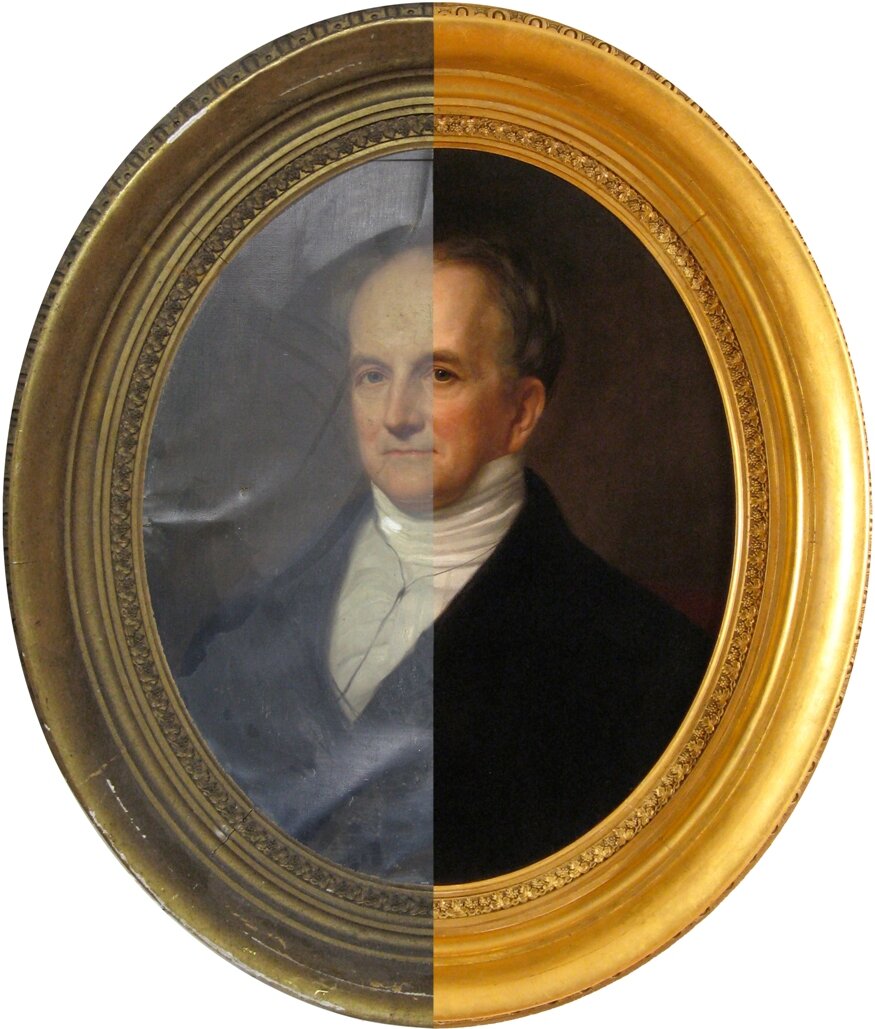
Historically, photographs document cultural shifts, fashion, and daily life from a different era. Restoring them is a form of cultural preservation, much like restoring a classic painting or an old building. It brings a piece of the past back into clear view for future generations.
The Restorer's Toolkit
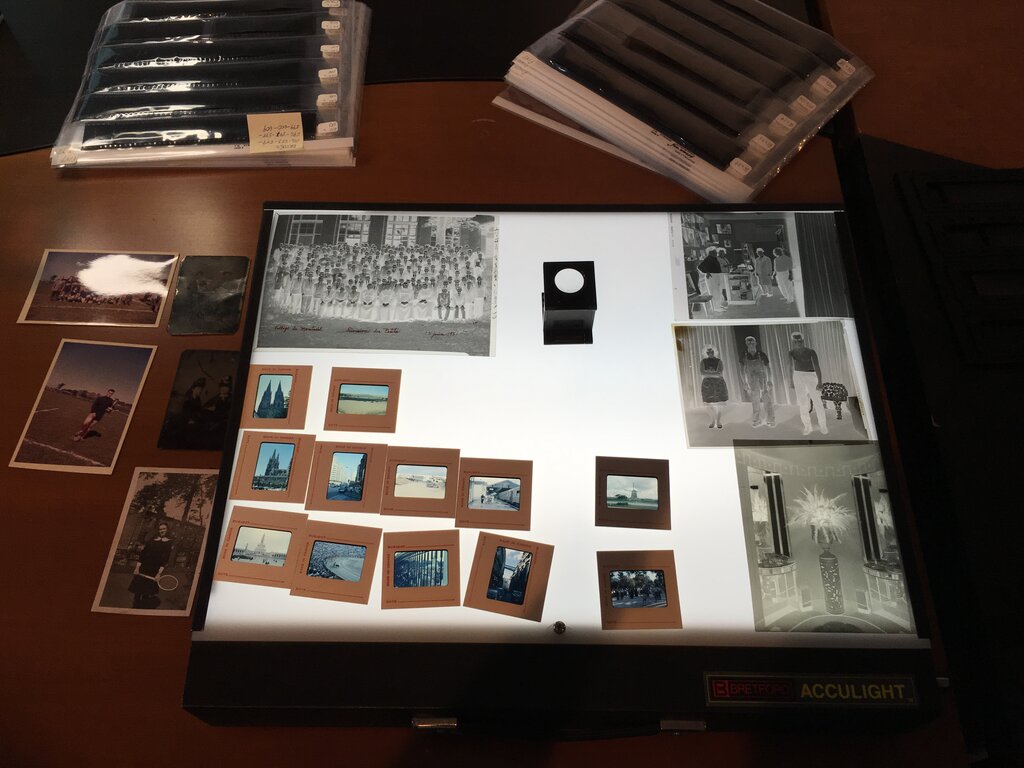
Traditional digital restoration begins by converting the physical photo into a digital file. This is usually done with a high-resolution scanner, which captures as much detail as possible from the original print, slide, or negative. A good scan is the foundation for all the work that follows.
Once the image is digitized, an artist uses software like Adobe Photoshop to perform meticulous repairs. This isn't an automated process; it requires skill and patience. Using tools like the Clone Stamp, a restorer can copy textures and pixels from an undamaged area to cover up a scratch or a spot. The Healing Brush works similarly but does a better job of blending the copied pixels with their new surroundings.
For larger problems, like a significant tear or a faded area, the work becomes more complex. It might involve manually recreating missing parts of the image or using adjustment layers to carefully correct color, brightness, and contrast. Each adjustment is a delicate balancing act to make the photo look natural and not overly edited.
Traditional restoration is part art, part digital surgery, requiring a steady hand and a good eye.
This manual approach can achieve incredible results, but it is labor-intensive and requires a high level of expertise. By understanding the damage and the careful work of restoration, we can appreciate the effort it takes to bring a piece of the past back to life.