AI Phone Receptionist Systems
Introduction to AI-Powered Phone Receptionist Systems
Meet the AI Receptionist
When you call a business, you expect to talk to someone who can help. For decades, that meant either a human receptionist or a clunky automated menu. But now, there’s a new voice on the line: an AI-powered receptionist. This isn't just a recording that tells you to press one for sales. It's a smart system designed to understand what you need and get you the right help, right away.
An AI receptionist is a voice or chat-based virtual agent that answers calls, routes inquiries, and captures customer information automatically.
The main goal is to make communication smoother and more efficient. For callers, it means less time on hold and no more navigating confusing phone trees. For businesses, it frees up human staff to focus on more complex problems that require a personal touch, all while ensuring no call goes unanswered.
From 'Press One' to Real Conversation
The journey to the AI receptionist started with traditional automated attendants, often called Interactive Voice Response (IVR) systems. You know the ones: "Press one for sales. Press two for support. Press zero to speak to an operator." While functional, these systems were rigid. They forced callers into a limited set of options and often led to frustration if the caller's need didn't fit neatly into a box.
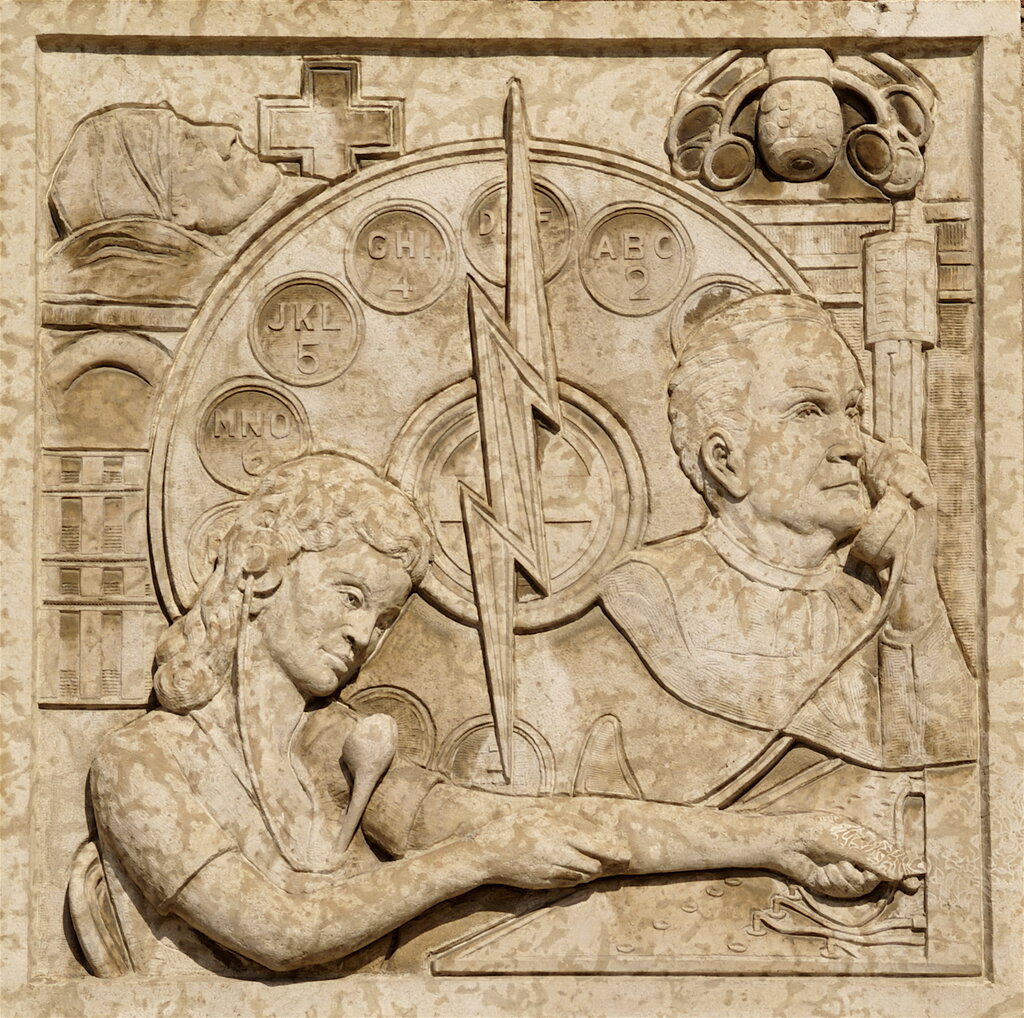
AI receptionists represent a huge leap forward. Instead of relying on keypad inputs, they use advanced technology to hold a conversation. This evolution changes the experience from a frustrating chore into a helpful interaction, much closer to speaking with a person.
What Makes an AI Receptionist Smart?
Several key capabilities set modern AI receptionists apart from older automated systems. These features work together to create a seamless experience for the caller.
Natural Language Processing
noun
A field of artificial intelligence that enables computers to understand, interpret, and generate human language, both text and speech.
Thanks to Natural Language Processing (NLP), an AI receptionist can understand the nuances of human speech. You can say, "I need to reschedule my Friday appointment," and the system will understand your intent without you having to listen to a long menu of options. It can also handle variations in phrasing, accents, and background noise.
Intelligent Call Routing: Instead of just sending you to the sales department, the AI can analyze your request. If you say, "I have a question about the invoice for order #54321," it can route you directly to the billing specialist who handles that account.
Another major benefit is 24/7 availability. An AI receptionist doesn't sleep, take breaks, or go on vacation. It can answer calls, book appointments, and provide information around the clock. This is a game-changer for businesses with customers in different time zones or for services that need to be accessible after hours, like emergency medical or repair services.
AI Receptionists in the Real World
These systems are already being used across many industries to improve how they connect with customers.
-
Healthcare: Medical offices use AI receptionists to schedule appointments, send reminders, and answer common questions about office hours or insurance. This frees up staff to focus on patients in the clinic.
-
Real Estate: Agents and property managers can use AI to answer calls from prospective buyers or tenants, provide property details, and schedule viewings, ensuring they never miss a lead.
-
Small Businesses: For salons, mechanics, or restaurants, an AI receptionist can handle bookings and answer basic inquiries. This allows a small team to provide great service without constantly being interrupted by the phone.
The core benefit is consistent: improved efficiency and a better customer experience. By automating the routine parts of call handling, businesses can provide faster service and let their teams focus on what they do best.
Ready to check your understanding of AI receptionists?
What is the primary technology that allows an AI receptionist to understand a caller's spoken request, like "I need to reschedule my Friday appointment"?
AI receptionists are simply a more modern version of traditional 'press-one-for-sales' phone menus.
AI receptionists are a powerful example of how artificial intelligence is moving from a futuristic concept to a practical tool that businesses can use every day.