AI Personalization to Generative AI Retail
Understanding Traditional AI Personalization and SEO
The Old Rules of Getting Noticed
For a long time, the internet had two main playbooks for businesses trying to connect with customers. The first was Search Engine Optimization, or SEO. This was all about making your website show up when someone searched on Google. The second was personalization, which meant using data to show people content and products they were likely to be interested in.
Both strategies were about one thing: relevance. SEO aimed to be the most relevant answer to a search query. Personalization aimed to be the most relevant experience for an individual user. For years, these two approaches dominated digital marketing, and AI played a key role in both.
How Search Engines Used to Think
At its core, traditional SEO is about making it easy for search engines to find, understand, and rank your website. Think of a search engine as a librarian for the entire internet. To get recommended, your book (your website) needs to be properly categorized and seen as a credible source.
A huge part of this was keywords. If you sold running shoes, you wanted the words "running shoes," "best running shoes," and "trail running shoes" on your pages. This told the search engine what your site was about.
But it wasn't just about words. Other factors mattered, too:
- Backlinks: These are links from other websites to yours. They act like votes of confidence, telling search engines your site is trustworthy.
- Technical SEO: This involves the behind-the-scenes stuff, like how fast your site loads and whether it works well on a mobile phone. A slow, clunky site provides a bad experience, and search engines don't want to recommend those.
Getting these elements right meant your page had a better chance of appearing on the first page of search results. And for any business, that was prime real estate.
Making It Personal with AI
While SEO focused on attracting new visitors, personalization aimed to create a tailored experience for them once they arrived. The goal was to make every user feel like the site was built just for them.
Early personalization was simple, like showing a welcome message with the user's name. But AI took it to another level. By analyzing vast amounts of data—what you've clicked, what you've bought, how long you linger on a page—AI algorithms could predict what you might want next.
The classic example is Amazon's recommendation engine. The "Customers who bought this item also bought" feature is a form of AI-driven personalization called collaborative filtering. It works by finding patterns across millions of customers to make surprisingly accurate suggestions.
Netflix does the same thing with movies and shows. It doesn't just recommend what's popular; it recommends what's likely to be popular with you, based on your unique viewing history. This is why your Netflix homepage looks completely different from your friend's.
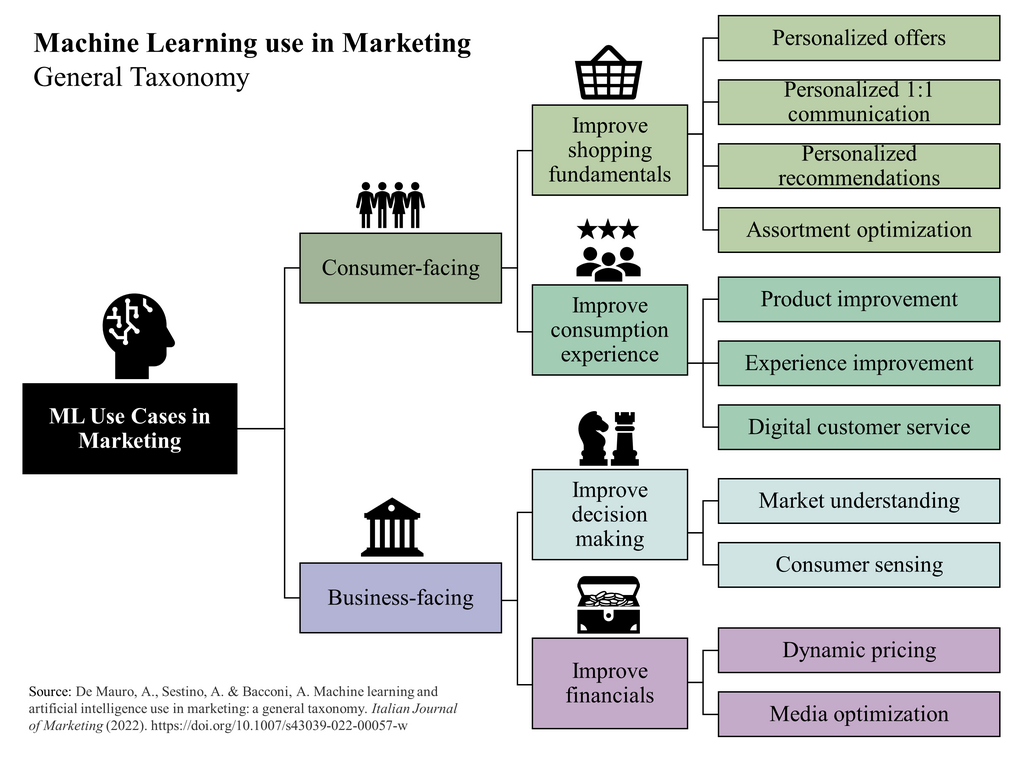
These systems rely on collecting user data to build a profile. They then use that profile to serve customized content, product recommendations, or even different website layouts. For businesses, this meant higher engagement, more loyalty, and increased sales.
The Cracks Start to Show
These traditional approaches were powerful, but they had their limits. In the world of SEO, the focus on keywords led to a practice called "keyword stuffing," where websites would cram keywords into their pages to rank higher. The text became awkward and unnatural, written for machines instead of people. Search engines got smarter and started penalizing this, shifting their focus toward the quality of the content and the user's intent.
Personalization had its own problems. For one, it could feel creepy. Recommendations that are too accurate can make people uncomfortable, raising privacy concerns about how much data is being collected. There was also the "filter bubble" problem. By only showing you things it thinks you'll like, a personalization engine can shield you from new ideas and diverse perspectives, trapping you in an echo chamber of your own preferences.
Furthermore, both strategies were reactive. SEO reacted to what people were searching for, and personalization reacted to what a user had already done. They were good at optimizing for the present, but not necessarily at anticipating the future or understanding a user's needs in a deeper, more conversational way.
The digital world was changing. Users started asking questions instead of just typing keywords. They wanted direct answers, not just a list of links. The old playbooks were still useful, but they weren't enough to keep up.
According to the text, what was the shared, fundamental goal of both traditional SEO and personalization?
In traditional SEO, what is the primary function of backlinks?