AI PCs Explained
Introduction to AI PCs
What Is an AI PC?
An AI PC is a personal computer with hardware specifically designed to run artificial intelligence tasks efficiently. While any modern computer can run AI software, an AI PC has a dedicated component that makes these tasks faster, more private, and less draining on the battery.
Think about how your current computer handles complex AI jobs, like editing a photo with an AI-powered tool or asking a chatbot a question. Often, it sends your request over the internet to a powerful server in the cloud. The server does the heavy lifting, and the result is sent back to you. This works, but it depends on a good internet connection and means your data leaves your device.
An AI PC changes that. It's built to handle more of these AI tasks locally, right on the machine itself. This on-device processing is the key difference from a traditional PC.
The main advantage of an AI PC is its ability to run AI applications directly on the device, without always needing to connect to the cloud.
The New Chip on the Block
So what gives an AI PC its special abilities? The secret is a new type of processor called a Neural Processing Unit, or NPU.
Your computer already has two main processors:
- CPU (Central Processing Unit): The general-purpose brain. It's a versatile workhorse that manages all the core functions of your computer, from opening files to running your web browser.
- GPU (Graphics Processing Unit): A specialist originally designed for rendering graphics in video games. Its ability to handle thousands of simple tasks at once also makes it great for certain AI jobs.
The NPU is a new specialist. It's custom-built to be incredibly efficient at the specific type of calculations that power AI and machine learning. It's not here to replace the CPU or GPU, but to work alongside them. When an AI-powered task comes along, the computer can offload it to the NPU, which handles it with lightning speed and uses very little power.
This teamwork approach means your computer is always using the best tool for the job. The CPU handles system operations, the GPU renders your screen, and the NPU crunches AI data. The result is a smoother, faster experience, especially when using multiple applications at once.
From the Cloud to Your Desk
AI has been part of personal computing for a while. Features like digital assistants, real-time language translation, and background blur in video calls all use AI. Historically, most of the complex processing for these features happened on powerful servers far away.
The rise of AI PCs marks a shift from cloud-based AI to on-device AI. By integrating NPUs, manufacturers are bringing the data center's power directly into the laptop. This makes AI-powered features more immediate and reliable, since they don't depend on your internet speed.
It also opens the door for new applications that can react to you in real-time, learning your habits to make your workflow smoother or offering creative suggestions as you type. Your data stays local, which is a big win for privacy.
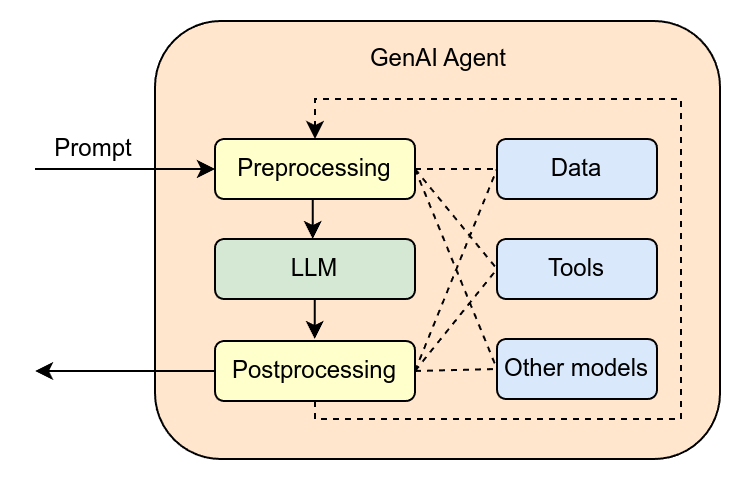
This evolution means AI is becoming a fundamental part of the computer's architecture, not just a piece of software you run. It's a foundational change that will shape how we interact with our devices in the years to come.
What is the primary hardware component that distinguishes an AI PC from a traditional PC?
What is the main advantage of processing AI tasks locally on an AI PC compared to in the cloud?