AI-Native Learning and Agentic Ecosystems
Agentic Ecosystems
Beyond the Digital Filing Cabinet
For decades, online education has been built around the digital equivalent of a three-ring binder. Traditional Learning Management Systems like Moodle or Blackboard are essentially sophisticated containers. They store course materials, track assignments, and manage student enrolments. They are reactive by design, functioning as central repositories that wait for a teacher to upload a file or a student to click a link.
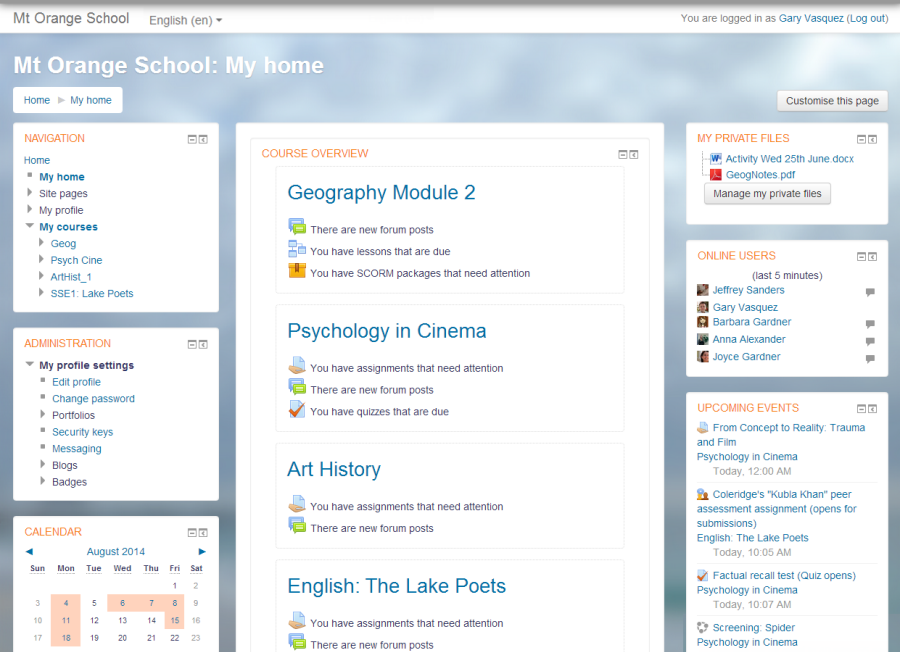
This content-centric model is excellent for administration but limited in its pedagogical reach. The system manages the course, but it doesn't actively teach. While many legacy platforms have added AI-powered features, such as recommendation widgets or simple chatbots, these are often superficial additions. They are features bolted onto an old architecture, not a fundamental rethinking of how the system operates. The core logic remains the same: store, deliver, and track.
The Proactive Agentic Ecosystem
An AI-native platform operates on a completely different principle. It is not a passive repository but a proactive, goal-oriented network designed to drive learning outcomes. This is an agentic ecosystem. Instead of a single, monolithic program, the system is composed of multiple autonomous agents, each with a specific role and the ability to plan, execute, and iterate on educational tasks.
The fundamental shift is from managing courses to driving outcomes. The system itself becomes a participant in the learning process, adapting in real time.
Imagine an ecosystem where a 'Curriculum Agent' designs a personalised syllabus based on a student's goals and prior knowledge. As the student engages with the material, an 'Assessment Agent' creates unique, on-the-fly quizzes to test understanding. A 'Feedback Agent' then analyses the results, identifies misconceptions, and tasks a 'Remediation Agent' to generate a targeted explanation or a new practice problem. All of this happens autonomously, coordinated by a central intelligence.
The core infrastructure of such a system relies on . This isn't just a collection of independent bots; it's a sophisticated framework that allows agents to communicate, collaborate, and negotiate to achieve a common goal. The orchestrator acts like a conductor, ensuring all the specialised agents work in harmony. It plans sequences of actions, allocates resources, and resolves conflicts between agents. The platform is no longer just serving content; it's actively managing a complex, adaptive learning workflow.
Agentic AI systems represent a new frontier in artificial intelligence, where agents often based on large language models(LLMs) interact with tools, environments, and other agents to accomplish tasks with a degree of autonomy.
This architectural change enables a profound shift in focus. Legacy systems are built to answer the question, "Has the student accessed the content?" An agentic ecosystem is built to answer, "Is the student learning effectively, and if not, what is the optimal next step to get them back on track?" The platform itself begins to learn and evolve its strategies based on the performance of millions of student interactions, creating a system that improves not just for one student, but for all students.
What is the core design principle of a traditional Learning Management System (LMS) like Moodle or Blackboard?
An AI-native educational platform is described as an 'agentic ecosystem'. What does this mean?