AI Music Monetization Masterclass
AI Music Tools
The New Songwriters
Imagine typing a few words and getting a fully produced song in return. That's the core idea behind AI music generators. These tools take a text prompt—anything from "a sad acoustic ballad about a rainy day" to "upbeat 80s synth-pop for a workout"—and create original music, often complete with vocals, lyrics, and multiple instruments.
These platforms aren't just novelties; they're becoming powerful assistants for musicians, producers, and content creators. They can break through writer's block, generate background music for videos, or provide a starting point for a more complex composition. Let's look at a few of the most prominent players.
Key Players in AI Music
Suno AI has gained popularity for its ability to create complete, two-minute songs from a simple text prompt. It generates lyrics, vocals, and instrumentation, often with surprisingly coherent results. Users can specify a genre, mood, and topic, and the AI handles the rest. While it gives you less granular control over musical elements like chord progressions, its strength lies in its speed and ease of use for creating full song structures.
Suno AI is designed to democratize music creation, allowing anyone—regardless of musical background—to generate original songs simply by inputting text prompts.
Udio is another major platform in this space, known for producing high-quality audio and realistic-sounding vocals. Like Suno, it works from text prompts but gives users more options to extend and remix their creations. You can generate a short clip and then build upon it, asking the AI to add an intro, an instrumental break, or an outro. This iterative process feels more like a collaboration, offering a balance between automation and creative direction.
Riffusion takes a different approach. It's based on Stable Diffusion, an image generation model. Instead of creating sound directly, Riffusion generates spectrograms—visual representations of sound frequencies—and then converts these images into audio. This unique method allows users to 'paint' music or modify existing sounds visually. It's particularly interesting for sound design and experimental music, though it may be less intuitive for creating traditional song structures.
| Tool | Key Feature | Best For |
|---|---|---|
| Suno AI | Generates complete songs with vocals and lyrics | Quickly creating song ideas and demos. |
| Udio | High-quality audio and song extension features | Iteratively building and refining musical tracks. |
| Riffusion | Generates music from spectrogram images | Sound design and experimental music creation. |
Integrating AI into the Studio
AI tools aren't just standalone websites. They're increasingly finding their way into the professional music production workflow, primarily through integration with Digital Audio Workstations (DAWs) like Ableton Live, Logic Pro, or FL Studio. This is the software producers use to record, edit, and mix music.
Integration can happen in a few ways. Some AI services offer plugins that run directly inside a DAW, allowing a producer to generate a drum loop, a bassline, or a vocal melody without ever leaving their project. Others act as powerful assistants for mixing and mastering, the final steps in polishing a track. For example, an AI tool might analyse a mix and suggest adjustments to equalisation or compression to make it sound more professional.
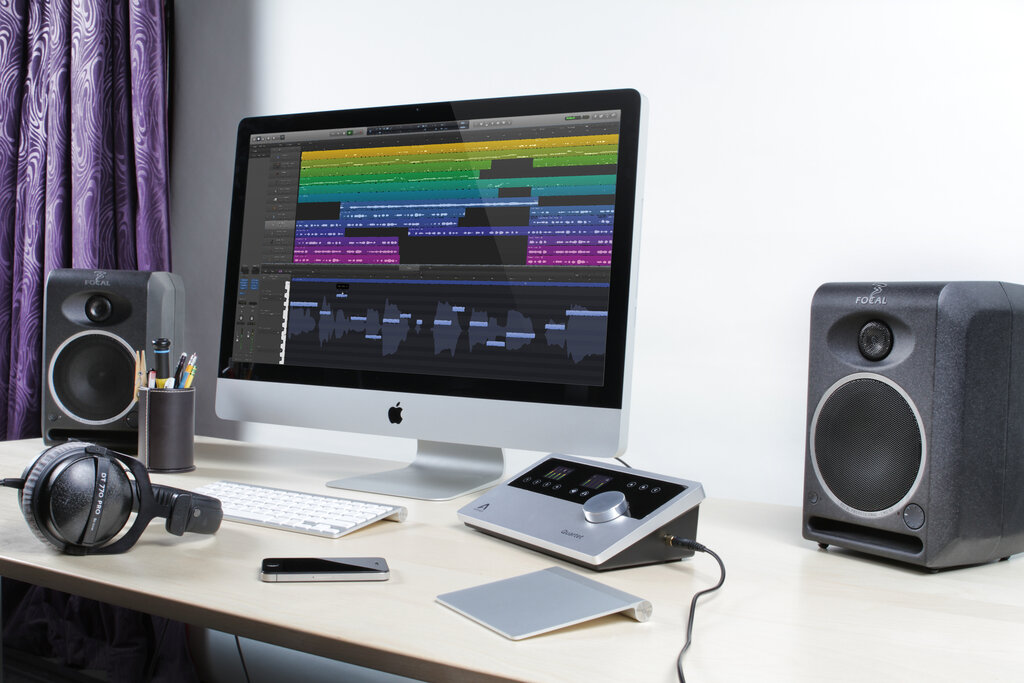
The goal is not to replace the artist but to augment their creativity. An AI can handle tedious tasks or provide a spark of inspiration, freeing up the musician to focus on the bigger picture.
The integration of AI into music production is not about replacing human creativity but augmenting it, providing tools that can accelerate workflows and unlock new sonic possibilities.
Ethical and Copyright Hurdles
The rise of AI music generation brings complex ethical and legal questions. A primary concern is copyright. Who owns an AI-generated song? The user who wrote the prompt, the company that built the AI, or no one at all? Current legal frameworks are still catching up, and the answer often depends on the terms of service of the specific platform and the degree of human creative input.
Another major issue is the data used to train these models. Most AI music generators learn by analysing vast libraries of existing music. This has led to debates and lawsuits over whether this constitutes fair use or copyright infringement of the original artists' work. Artists are concerned that their unique styles and even their voices could be replicated without their consent or compensation, diluting the value of their work.
As these tools become more widespread, the music industry will need to establish clear guidelines for attribution, royalties, and what it means to be an 'artist' in the age of AI.
Before you try some of these tools, let's review the key concepts.
Ready to test your knowledge?
What is the primary function of AI music generators like Suno and Udio?
Which AI music platform is known for its unique approach of generating spectrograms (visual representations of sound) which are then converted into audio?
Understanding these tools and their implications is the first step toward using them creatively and responsibly.