AI Models and Their Developers
Introduction to AI Models
What Is an AI Model?
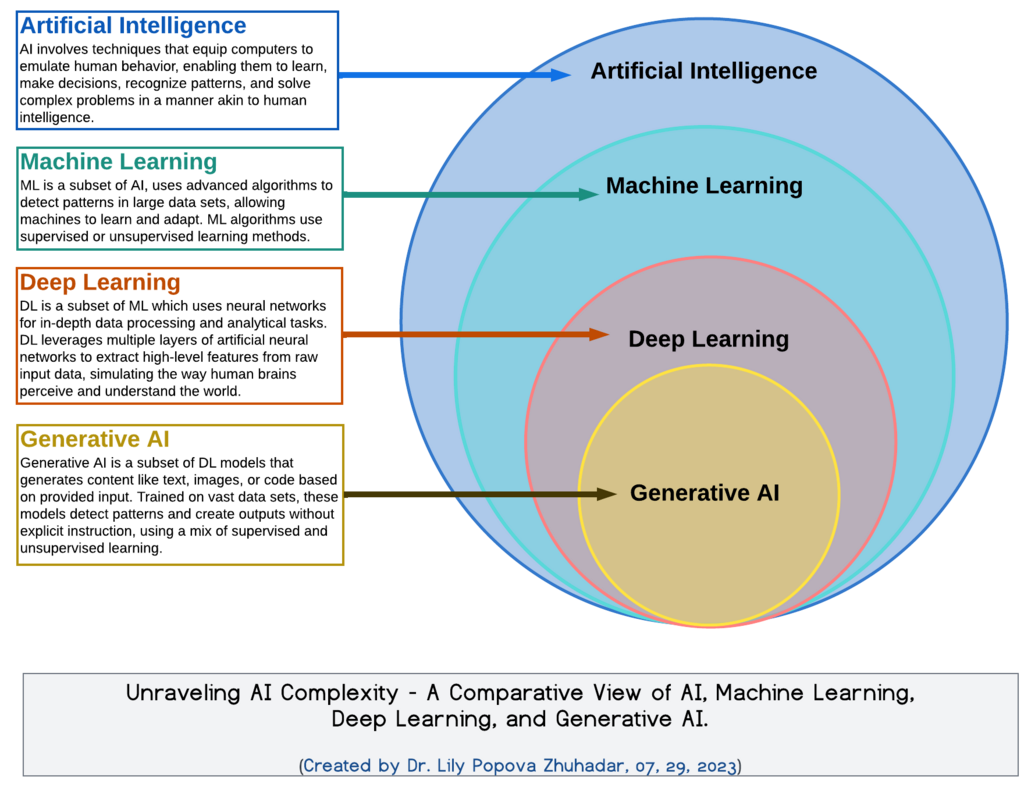
An AI model is a program that has been trained on a set of data to recognize certain types of patterns. You can think of it like a specialized brain. Instead of learning everything, it learns how to perform a specific task, like identifying birds in photos or translating languages. The model uses what it learns from the data to make predictions or decisions without being explicitly programmed for every single possibility.
AI Model
noun
A computational program that uses algorithms and data to find patterns, make predictions, or generate new content, simulating a specific aspect of human intelligence.
Just as there are different subjects in school, there are different types of AI models. Some are built for classification, which means they sort things into categories. Is this email spam or not spam? Is this picture a cat or a dog? Others are designed for regression, which involves predicting a continuous value. For example, a regression model might predict the price of a house based on its size and location. And some are for generation, creating new content like text, images, or music.
The Basic Architecture
So how does a model actually work on the inside? Many modern AI models are inspired by the human brain and are structured as artificial neural networks. While that sounds complex, the basic idea is quite simple. A neural network is made up of layers of interconnected nodes, or 'neurons'.
The structure is straightforward:
- Input Layer: This is where the model receives information. If you're building a model to identify animals, the input might be the pixels of an image.
- Hidden Layers: These are the intermediate layers where the actual processing happens. Each neuron receives inputs from the previous layer, performs a small calculation, and passes the result to the next layer. This is where the model learns to identify features, like shapes, colors, or textures. A model can have many hidden layers.
- Output Layer: This layer produces the final result. For our animal identifier, it might have two outputs: the probability that the image is a 'cat' and the probability it's a 'dog'.
Teaching the Model to Learn
A model isn't smart right out of the box. It has to be trained. The training process is how the model learns to perform its task. It works by showing the model a huge number of examples, called training data. For a spam filter, this would be thousands of emails, each labeled as 'spam' or 'not spam'.
During training, the model makes a prediction for each example. It then compares its prediction to the correct label. If it's wrong, it adjusts its internal connections to make a better guess next time. This process is repeated millions of times until the model becomes accurate.
There are three main styles of training, each useful for different kinds of problems.
| Learning Style | How It Works | Example |
|---|---|---|
| Supervised Learning | The model learns from data that is already labeled with the correct answers. | Training a model to identify cats by showing it thousands of pictures labeled 'cat'. |
| Unsupervised Learning | The model is given unlabeled data and must find patterns or structures on its own. | Grouping customers into different market segments based on their purchasing behavior. |
| Reinforcement Learning | The model learns by trial and error, receiving 'rewards' for good decisions and 'penalties' for bad ones. | Training an AI to play a video game by rewarding it for scoring points. |
Models in the Real World
AI models are already a part of our daily lives. When your streaming service suggests a movie you might like, that's an AI model at work. It has learned your preferences based on your viewing history and compared them to the patterns of millions of other users.
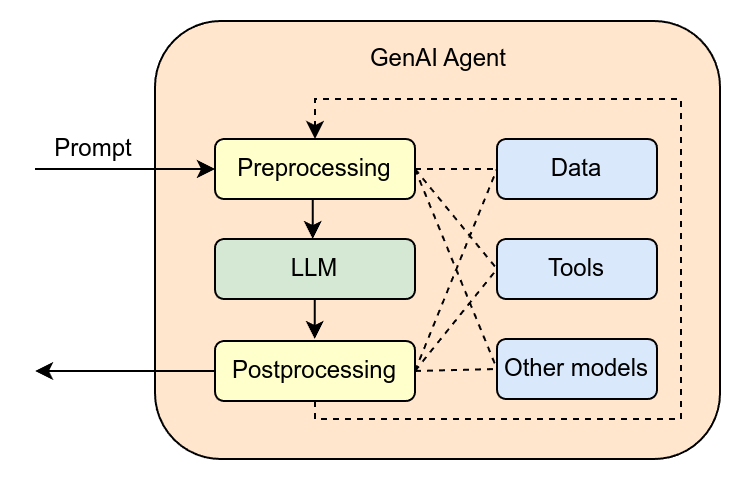
Other common applications include:
- Computer Vision: AI models can analyze images and videos. This is used in everything from facial recognition on your phone to systems that detect manufacturing defects on an assembly line.
- Natural Language Processing (NLP): This is how machines understand and respond to human language. Chatbots, language translation services like Google Translate, and virtual assistants like Siri and Alexa all rely on NLP models.
- Predictive Analytics: Businesses use AI models to forecast future trends. This could be a retail company predicting which products will be popular next season or a financial institution identifying fraudulent transactions.
Understanding these basic building blocks—what models are, how they're structured, and how they learn—is the first step to seeing how AI works. While the most advanced models are incredibly complex, they are all built on these fundamental principles.
What is the primary function of an AI model?
An AI system is designed to determine if an email is 'spam' or 'not spam'. What type of task is this?