AI Model Training Methods
Introduction to Machine Learning
Teaching Machines to Think
Machine learning is a way to get computers to learn from experience, without being explicitly programmed for every single task. Instead of writing step-by-step rules, developers create algorithms that allow a computer to analyze data, find patterns, and make decisions on its own. It's the engine behind many things you use daily, like spam filters that learn what junk mail looks like, or streaming services that figure out which movies you might want to watch next.
Machine Learning
noun
A field of artificial intelligence that uses statistical techniques to give computer systems the ability to "learn" from data, without being explicitly programmed.
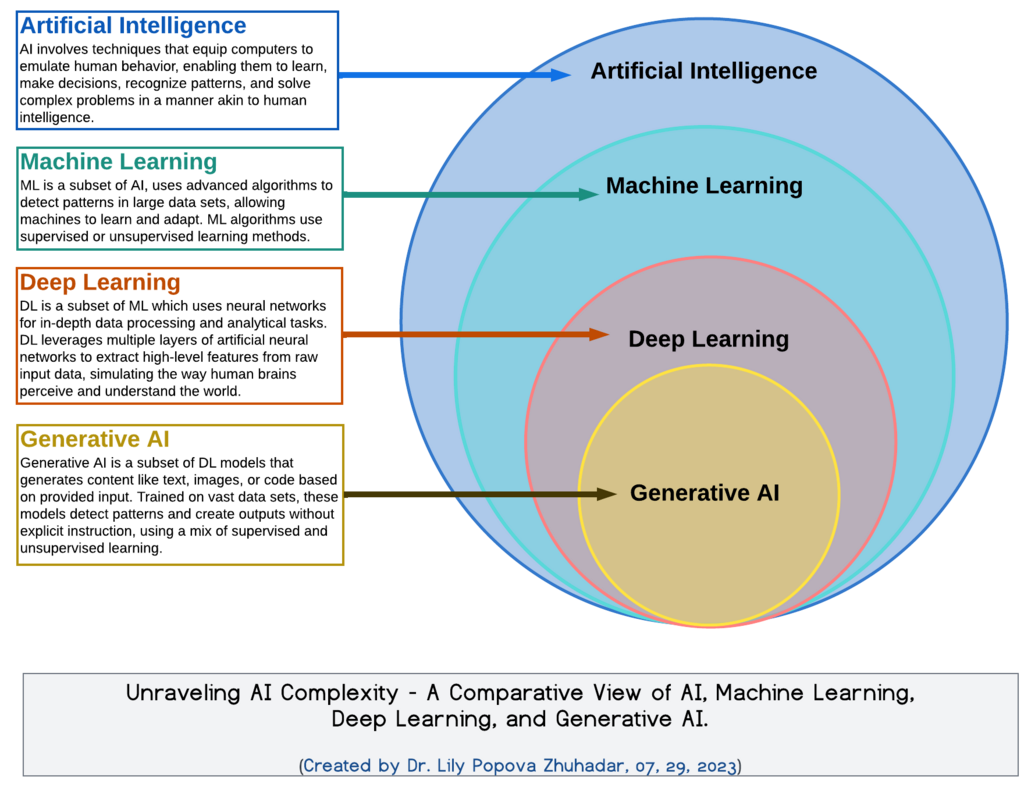
Machine learning, often called ML, is a subfield of Artificial Intelligence (AI). While AI is the broad concept of creating intelligent machines, machine learning is the specific practice of training them with data. It's one of the most common ways we build AI today.
The Three Main Flavors
Not all machine learning is the same. The approach you take depends on the problem you're trying to solve and the kind of data you have. There are three main ways machines learn: supervised, unsupervised, and reinforcement learning. Think of them as different ways you might learn a new skill.
Supervised Learning: Learning with a Teacher
Supervised learning is like studying for a test with flashcards. You have the question (the input data) and the correct answer (the label). The goal is for the machine to learn the relationship between the two.
For example, to train a model to recognize cats, you'd show it thousands of pictures, each one labeled 'cat' or 'not a cat'. After seeing enough examples, the model learns the patterns—like pointy ears and whiskers—that define a cat. Eventually, it can identify a cat in a new picture it has never seen before. This is used for tasks like predicting house prices based on features like size and location, or identifying fraudulent credit card transactions.
Unsupervised Learning: Finding Patterns on Your Own
Unsupervised learning is like being given a huge pile of mixed-up photos and asked to sort them into groups that make sense. You don't have any labels or correct answers to guide you. You have to find the patterns yourself.
The machine looks for similarities in the data and groups related items together. For instance, a retailer might use unsupervised learning to analyze customer purchase histories. The model could automatically identify different customer segments—like 'bargain hunters' and 'brand loyalists'—without being told what to look for. This helps businesses understand their customers and tailor their marketing.
Reinforcement Learning: Trial and Error
Reinforcement learning is about learning from the consequences of your actions. It’s like teaching a dog a new trick. When the dog does the right thing, it gets a treat (a reward). When it does the wrong thing, it gets nothing or a gentle correction (a penalty).
In this type of learning, an AI 'agent' tries to achieve a goal in a complex environment. The agent takes actions, and the environment gives it feedback in the form of rewards or penalties. The agent's goal is to maximize its total reward over time. This is the strategy used to train AI to play games like Chess or Go, control robotic arms, or optimize the flow of traffic in a city.
These three approaches form the foundation of most machine learning applications. Now, let's see what you've learned.
Which of the following best describes the core idea of machine learning?
A developer wants to build a system that can predict a house's price based on historical sales data that includes features like square footage, number of bedrooms, and final sale price. Which type of machine learning is most suitable for this task?
Understanding these core methods is the first step into the exciting world of machine learning.