AI Model Training From Scratch
Introduction to AI and Machine Learning
What Is Artificial Intelligence?
Artificial Intelligence, or AI, is a broad field of computer science focused on creating machines that can perform tasks that typically require human intelligence. This includes things like learning, reasoning, problem-solving, perception, and using language.
Think of AI as the larger goal, the grand idea of building smart machines. A key part of AI is Machine Learning (ML), which is a method of achieving AI. Instead of programming a computer with explicit, step-by-step instructions for every possible scenario, ML allows a computer to learn from data. It identifies patterns and makes decisions on its own, improving with experience.
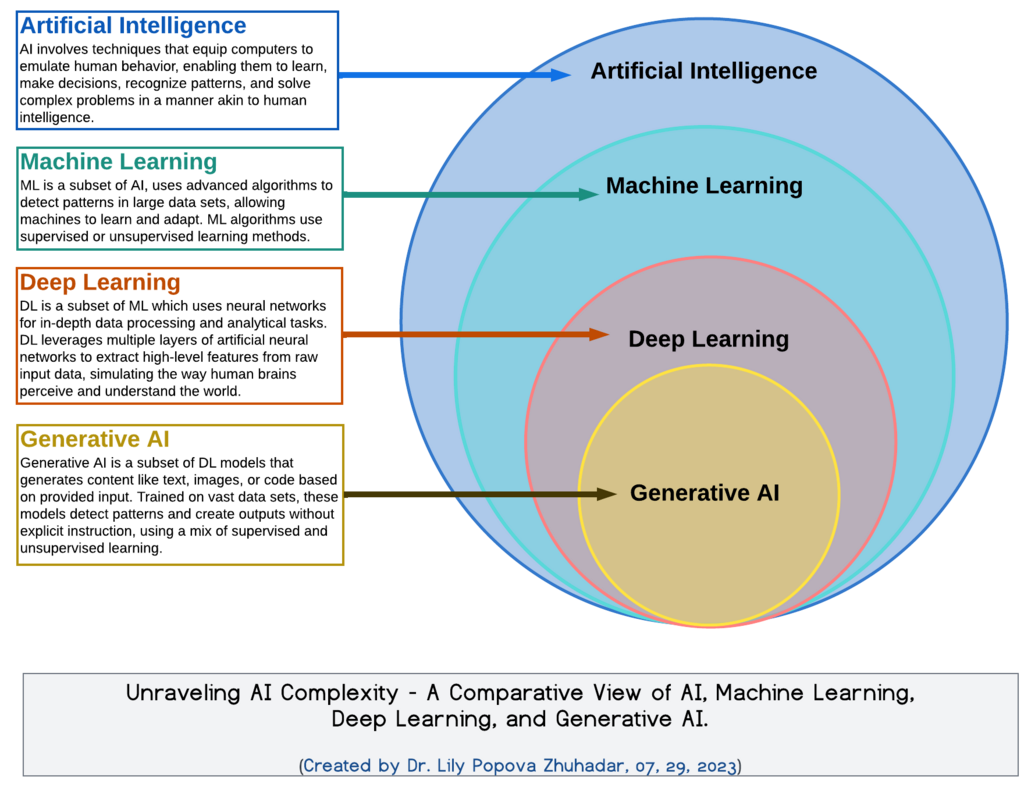
So, all machine learning is AI, but not all AI is machine learning. Early AI systems, for example, were based on complex sets of rules created by humans. ML represents a fundamental shift: it's about creating systems that can program themselves by learning from examples.
How Machines Learn
Machine learning models learn from data in several different ways. The method used depends on the problem you're trying to solve and the kind of data you have. The three main types are supervised, unsupervised, and reinforcement learning.
Supervised Learning
other
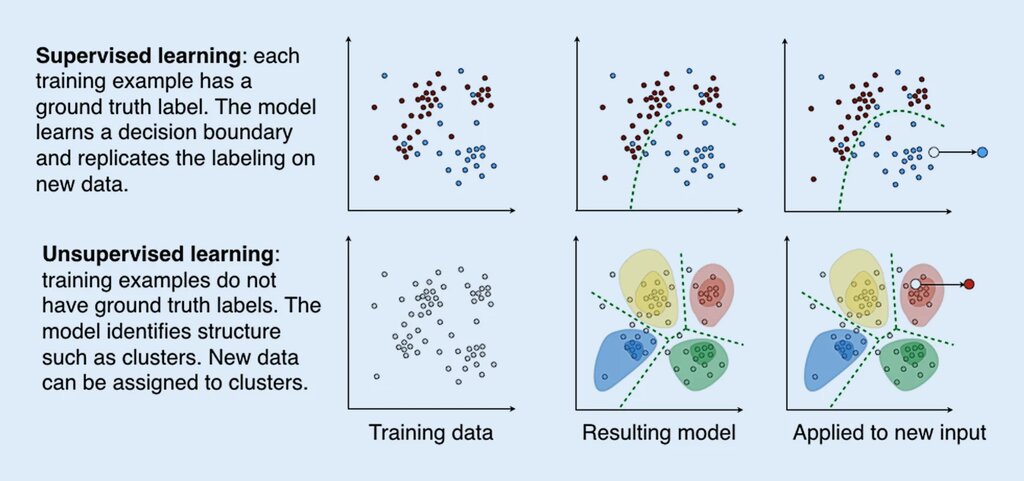
The machine learns from data that is already labeled. It's like learning with a teacher who provides examples and the correct answers.
In supervised learning, the algorithm is given a dataset where the
Imagine showing a computer thousands of pictures of cats, each labeled "cat." Eventually, it learns to recognize a cat in a new, unlabeled picture. That's the essence of supervised learning.
Unsupervised Learning
other
The machine learns from unlabeled data. It must find patterns and structures on its own, without any answers provided beforehand.
This is like being given a box of mixed fruits and asked to sort them. You might not know the names of the fruits, but you can group them by color, size, and shape. The algorithm does something similar, clustering data points based on their similarities.
Reinforcement Learning
other
The machine learns by trial and error. It interacts with an environment and receives rewards or penalties for its actions.
The goal is to maximize the total reward over time. Think of training a dog: you reward it for good behavior (like sitting) and don't for bad behavior. Over time, the dog learns to sit on command to get the treat. Reinforcement learning agents learn in much the same way, figuring out the best sequence of actions to take to achieve a goal.
AI in the Real World
AI and machine learning are not just concepts from science fiction; they are deeply integrated into our daily lives. From the moment you unlock your phone with your face to the recommendations you get on streaming services, AI is working behind the scenes.
| Sector | Application |
|---|---|
| Entertainment | Recommending movies on Netflix or songs on Spotify. |
| Finance | Detecting fraudulent credit card transactions. |
| Healthcare | Analyzing medical images like X-rays to spot diseases. |
| Transportation | Powering navigation apps and developing self-driving cars. |
| E-commerce | Personalizing shopping experiences and product suggestions. |
These applications are just the beginning. As technology advances, AI and ML will continue to transform industries, creating new possibilities and solving complex challenges.
Which statement accurately describes the relationship between Artificial Intelligence (AI) and Machine Learning (ML)?
An algorithm is given a large dataset of customer information and is tasked with grouping them into distinct market segments without any pre-existing labels for these segments. What type of learning is this?
Understanding these core ideas provides the foundation needed to explore how we actually build and train an AI model.