AI Model Showdown for Automation
Introduction to AI Assistants
What Are AI Assistants?
At its core, an artificial intelligence (AI) assistant is a program designed to understand and respond to human language. Think of it as a virtual helper that can perform tasks, answer questions, and even generate creative content based on your instructions, which are called prompts.
These assistants are powered by large language models (LLMs), which are complex systems trained on vast amounts of text and data. This training allows them to recognize patterns, understand context, and produce human-like text. While you might know about assistants like Siri and Alexa for simple tasks, a new generation of more powerful tools has emerged. Let's look at three of the most popular ones: ChatGPT, Claude, and Gemini.
ChatGPT
ChatGPT, developed by the research company OpenAI, is one of the most well-known AI assistants. It gained massive popularity for its ability to hold natural-sounding conversations on almost any topic. It's built on OpenAI's series of GPT (Generative Pre-trained Transformer) models.
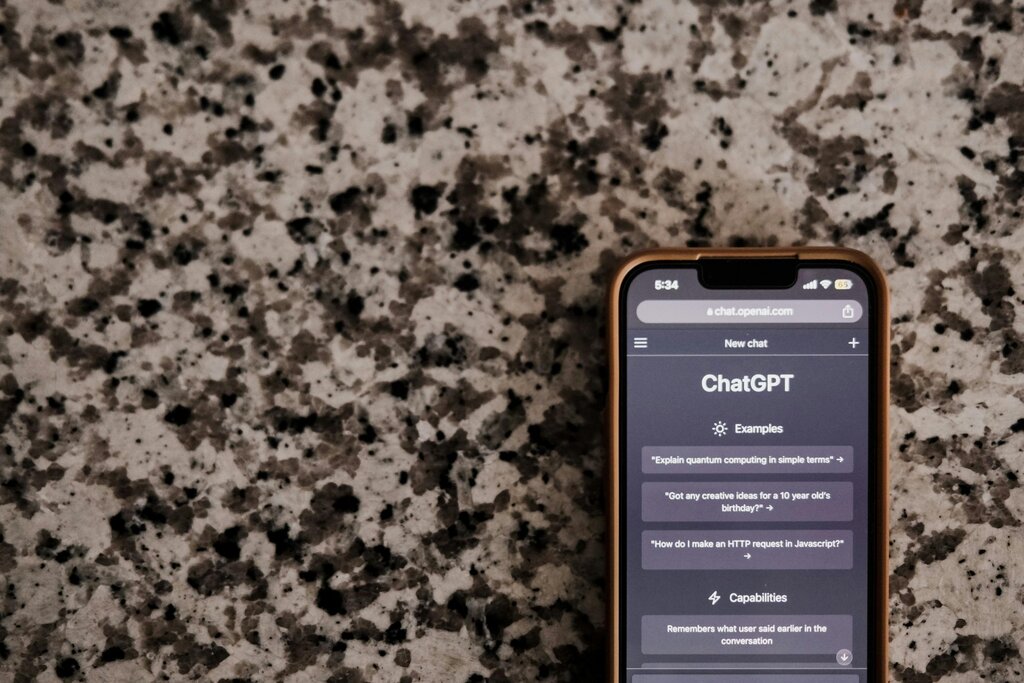
The core function of ChatGPT is to generate text. It can write essays, draft emails, create poems, and summarize long articles. It's also skilled at writing and debugging computer code, making it a valuable tool for programmers.
Common use cases for ChatGPT include brainstorming ideas, getting quick explanations of complex subjects, translating languages, and creative writing.
Claude
Claude is an AI assistant created by Anthropic, a company founded by former OpenAI researchers. A key focus for Anthropic is AI safety. Claude was designed with a unique approach called 'Constitutional AI,' which involves giving the model a set of principles to follow. The goal is to make it helpful, harmless, and honest.
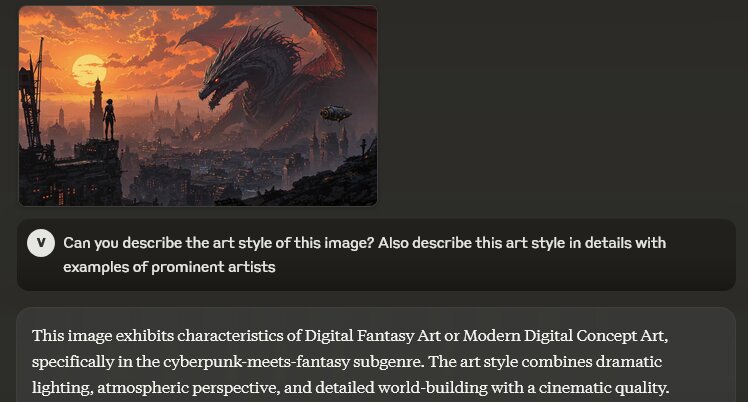
Functionally, Claude is similar to ChatGPT. It excels at conversation, text processing, and coding. One of its standout features is its ability to handle very large amounts of text in a single prompt. This makes it particularly useful for summarizing entire research papers or analyzing long documents for specific information.
Claude is often used for tasks requiring deep text analysis, such as legal document review, summarizing business reports, and providing detailed coding assistance.
Gemini
Gemini is Google's flagship AI assistant. What sets Gemini apart is that it was designed from the ground up to be multimodal. This means it can natively understand and process more than just text. It can work with images, audio, and video, making it a more versatile tool.
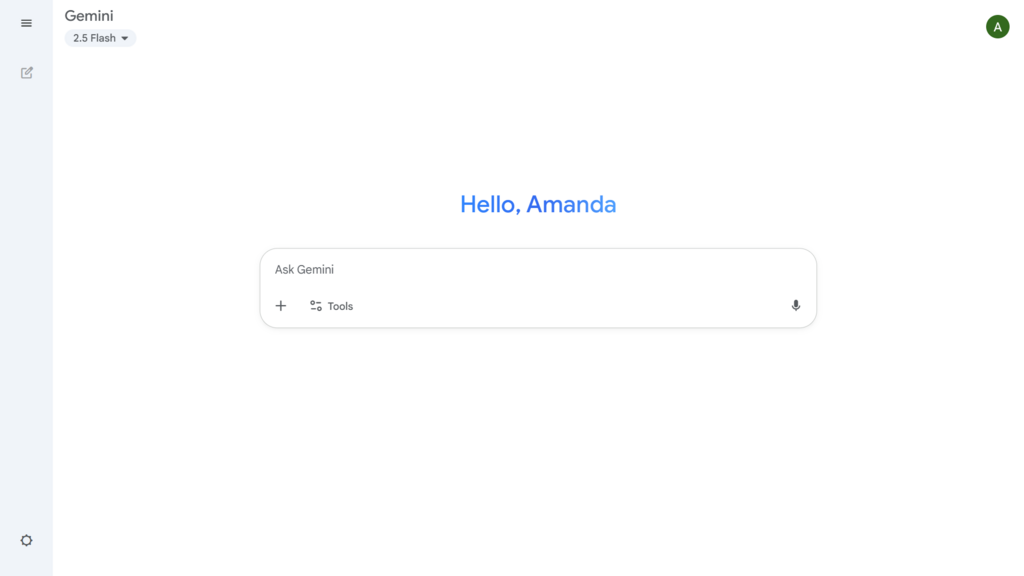
For example, you could give Gemini a picture of your lunch and ask for the recipe, or show it a math problem and ask it to explain the solution. It integrates deeply with Google's other products, leveraging the power of Google Search to provide up-to-date answers.
Common use cases for Gemini include image analysis, generating code from visual mockups, helping with homework by explaining visual problems, and planning trips using real-time information.
Let's review what we've covered about these three powerful AI tools.
What is the core technology that enables AI assistants like ChatGPT, Claude, and Gemini to understand and generate human-like text?
A researcher needs to analyze and summarize several long, complex research papers. Which AI assistant is mentioned as being particularly well-suited for this task due to its ability to handle very large amounts of text in a single prompt?
Each of these assistants offers a unique set of capabilities, but they all share the common goal of making complex tasks simpler through the power of conversation.