AI Model Differences Explained
Introduction to Large Language Models
What Are Large Language Models?
At its core, a large language model, or LLM, is a type of artificial intelligence designed to understand and generate human-like text. Think of it as an incredibly advanced prediction engine. Just as your phone's keyboard guesses the next word you might type, an LLM predicts the next word in a sequence based on the vast amount of text it has been trained on.
But calling it
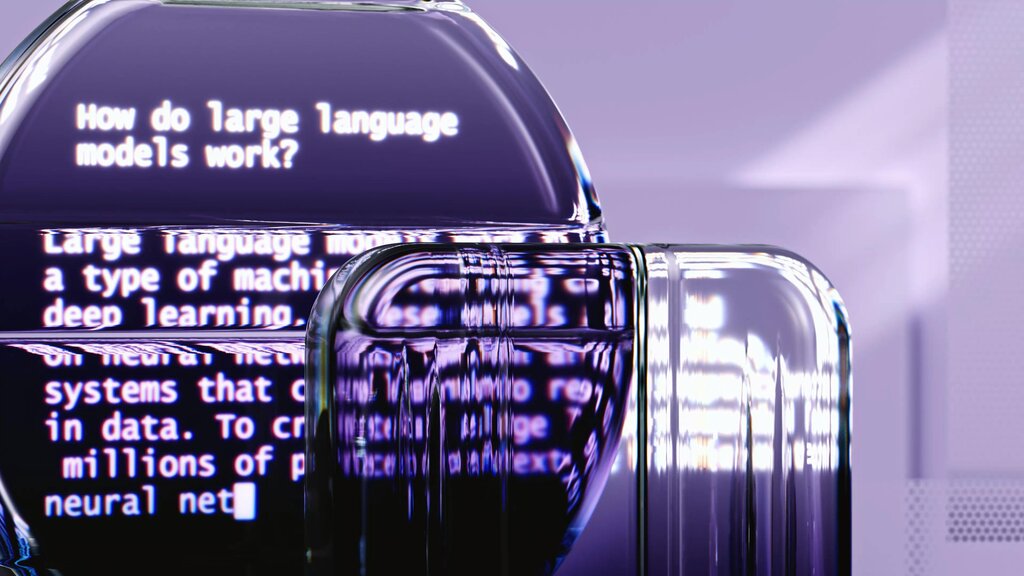
The term "large" is key. These models are trained on gigantic datasets—essentially a significant portion of the internet, including books, articles, and websites. This massive training data allows them to learn the intricate patterns, grammar, nuances, and even biases present in human language. The goal isn't just to mimic language, but to understand the relationships between words and concepts.
Large language models (LLMs) are AI systems that understand and create human language, doing tasks like summarizing articles, answering questions, writing code, and more.
A Brief History
The idea of teaching machines language isn't new. Early attempts, known as statistical language models, relied on counting how often words appeared next to each other. These were useful for simple tasks but lacked a deep understanding of context. For example, a statistical model might know that "New" is often followed by "York," but it wouldn't grasp the concept of New York as a city.
The game changed with the development of neural networks, which are computing systems inspired by the human brain. These models could learn more complex patterns. A major breakthrough came in 2017 with the invention of the "Transformer" architecture. This new design allowed models to weigh the importance of different words in a sentence, no matter how far apart they were. This ability to handle long-range dependencies was crucial for understanding context and generating coherent, meaningful text.
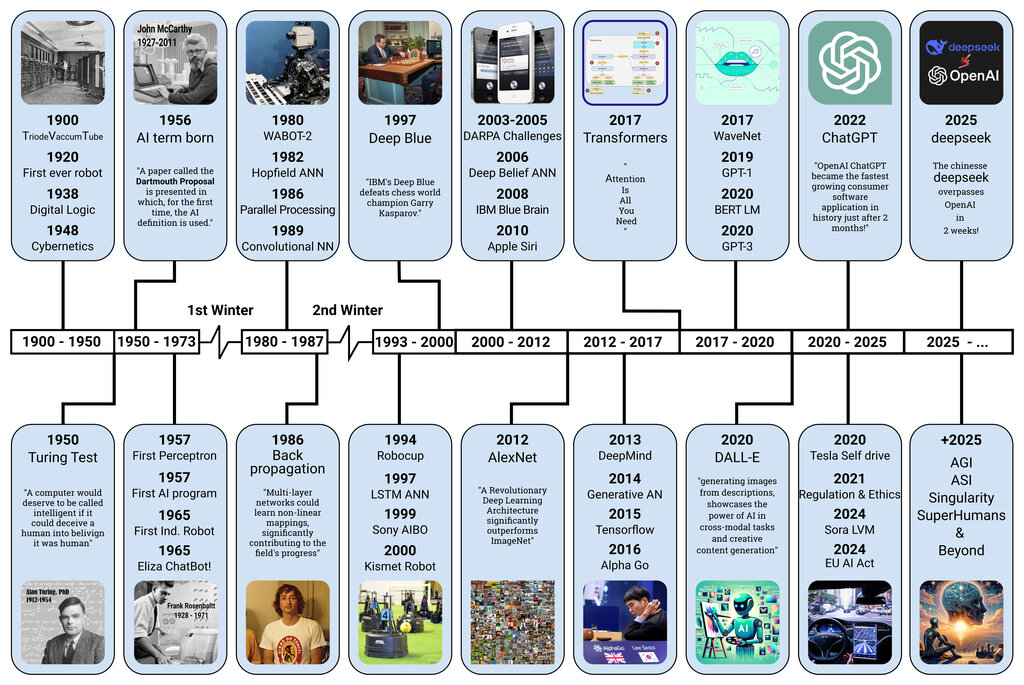
This innovation paved the way for models to become truly "large." Companies began training Transformer-based models on ever-increasing amounts of data and with more computational power, leading to the powerful LLMs we see today, like those behind applications like ChatGPT.
What Are LLMs Used For?
Because they are so versatile at processing language, LLMs have a wide range of applications. They are becoming integrated into many different types of software and services.
| Application | Description |
|---|---|
| Content Creation | Writing emails, articles, marketing copy, and even poetry. |
| Summarization | Condensing long documents or articles into key points. |
| Translation | Translating text between different languages with more nuance than older tools. |
| Chatbots | Powering customer service bots and virtual assistants. |
| Code Generation | Writing and debugging computer code based on plain language descriptions. |
| Information Retrieval | Answering complex questions by synthesizing information from multiple sources. |
These models act as a general-purpose engine for language tasks. By giving them a specific instruction or "prompt," users can guide them to perform a huge variety of jobs, making them a foundational technology for many new AI tools.
Ready to check your understanding?
What is the fundamental function of a Large Language Model?
The "large" in Large Language Model primarily refers to the:
Understanding what LLMs are and where they came from is the first step in seeing how they're changing the way we interact with information and technology.