AI Model Capabilities
Introduction to AI Models
What Is an AI Model?
An AI model is a program trained to recognize patterns in data. Think of it like a digital brain built for a specific job. It learns from information, and then uses that learning to make predictions, classify information, or create new content.
Imagine you're trying to teach a computer to identify pictures of cats. You wouldn't write a long list of rules like "if it has pointy ears and whiskers, it's a cat." Instead, you would show it thousands of cat pictures. The AI model learns the shared features of these images on its own. After enough training, it can look at a new picture and decide with high accuracy whether it's a cat.
The core purpose of any AI model is to turn data into intelligent action. This could be as simple as filtering spam from your inbox or as complex as helping doctors diagnose diseases.
Models are the engines of artificial intelligence, learning from the past to make sense of the future.
A Quick History
AI models didn't appear overnight. The earliest AI systems were based on hard-coded rules. Experts would create complex decision trees to guide the AI's behavior. This worked for simple, predictable tasks, like playing checkers, but it was brittle. If the AI encountered a situation not covered by its rules, it failed.
The big shift came with machine learning. Instead of being programmed with rules, models began to learn directly from data. This approach was more flexible and powerful. As computing power grew and massive datasets became available, machine learning models became much more sophisticated, leading to the AI boom we see today.

Three Ways to Learn
AI models learn in different ways, depending on the task and the type of data available. The three main learning styles are supervised, unsupervised, and reinforcement learning.
Supervised learning is like studying with flashcards. The model is given a dataset where each piece of data is labeled with the correct answer. For example, it might get thousands of emails labeled as either "spam" or "not spam." The model's job is to learn the relationship between the input (the email) and the output (the label). It's called "supervised" because the labeled data acts as a teacher, guiding the model toward the right answers.
Most machine learning in use today is supervised learning.
Unsupervised learning is the opposite. The model receives data without any labels and must find patterns on its own. Imagine being given a box of assorted fruits and being asked to group them. You might create piles of apples, bananas, and oranges based on their color, shape, and size. Unsupervised learning models do something similar, grouping data into clusters or identifying unusual data points that don't fit any group.
Reinforcement learning is about learning through trial and error. An AI agent interacts with an environment and receives rewards or penalties for its actions. The goal is to learn the best sequence of actions, called a policy, that maximizes its total reward over time. This is how AI models learn to play complex games like chess or Go, and it's also used to train robots to perform physical tasks.
AI in the Wild
These learning methods power a huge range of applications you likely use every day.
Your email's spam filter and the algorithm that suggests new shows for you on a streaming service are both examples of supervised learning. In finance, these models predict stock prices and detect fraudulent transactions.
Unsupervised learning helps online retailers group customers with similar shopping habits for targeted marketing campaigns. It's also used in cybersecurity to detect unusual network activity that might signal an attack.
Reinforcement learning is the brain behind self-driving cars, which learn to navigate roads safely by being rewarded for good driving decisions. It also helps businesses optimize their supply chains and pricing strategies.
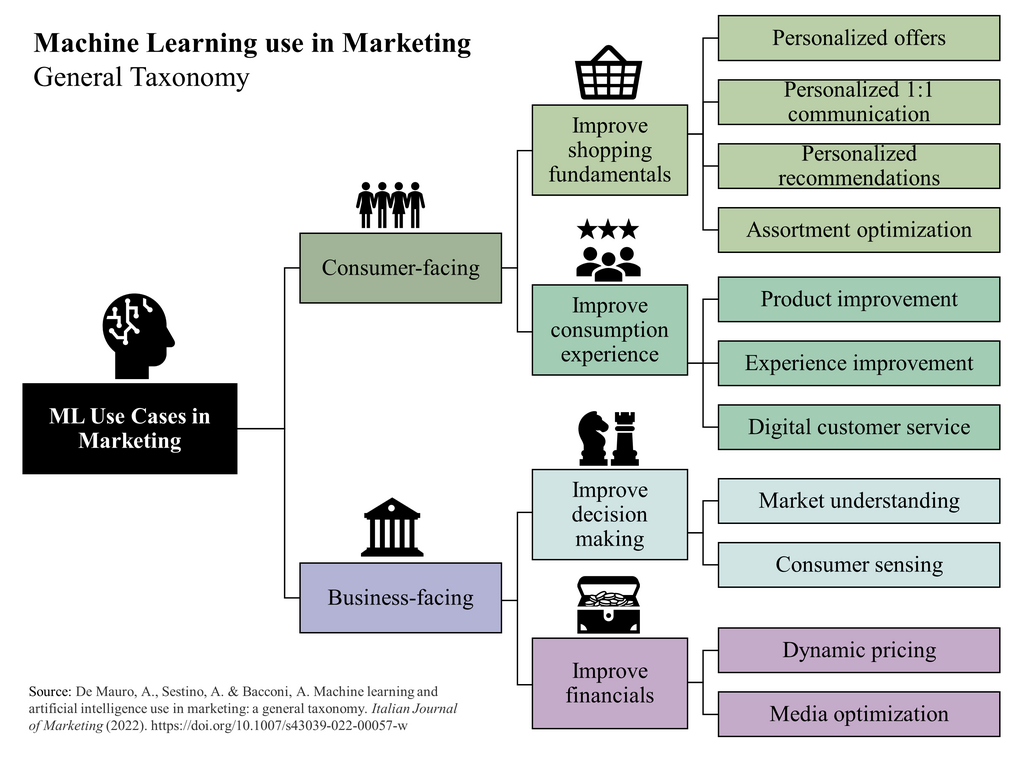
By understanding these fundamental model types, you can start to see how AI is solving problems and creating opportunities across nearly every industry.
What is the primary function of an AI model?
What was the main limitation of the earliest AI systems that were based on hard-coded rules?