AI Model Building Essentials
Introduction to AI
What Is Artificial Intelligence?
Artificial intelligence, or AI, is a field of computer science that aims to create machines capable of tasks that typically require human intelligence. Think about how you learn, reason, and solve problems. AI tries to replicate that process in a computer.
At its core, AI is about pattern recognition, learning from data, and making decisions. This isn't about creating robots that look and act exactly like humans from science fiction. Instead, it's about building specialized systems that can handle specific tasks incredibly well, sometimes even better than we can. These tasks range from understanding spoken language to identifying objects in a photo.
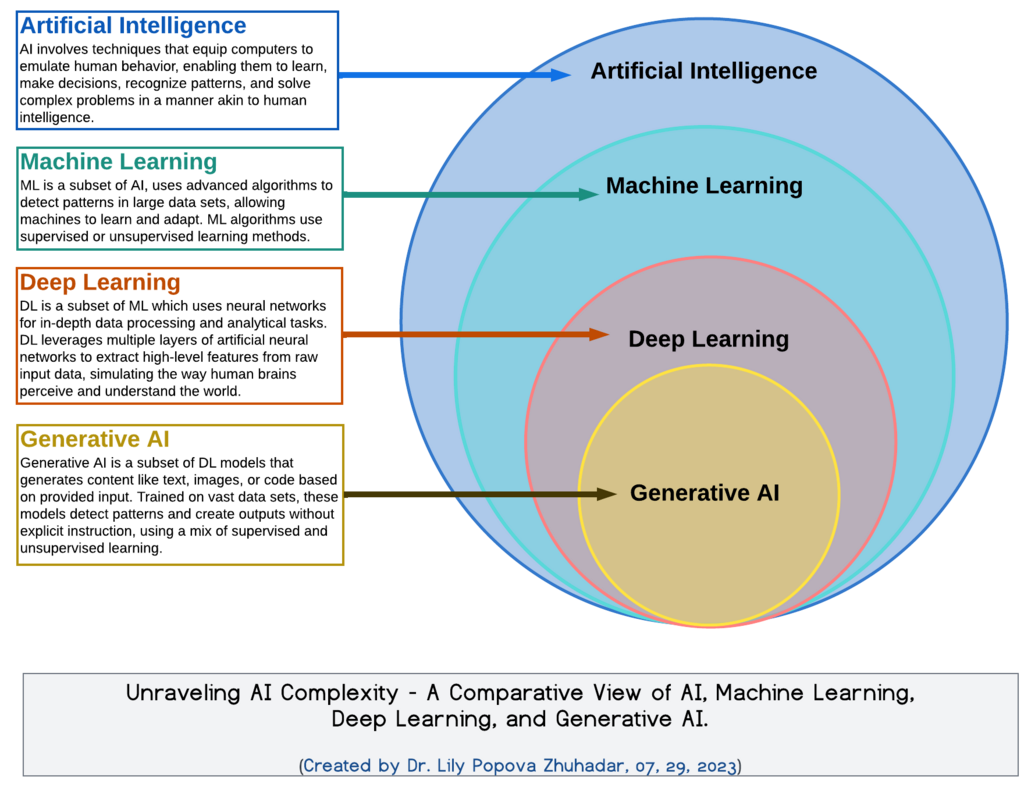
To get a handle on AI, it helps to know a few key terms. You'll hear them a lot as you dive deeper into the subject.
Machine Learning
noun
A subset of AI where computers learn from data. Instead of being programmed with explicit rules, a machine learning model is trained on a large dataset to find patterns and make predictions.
Neural Network
noun
A computer system modeled on the human brain. It consists of interconnected nodes, or 'neurons,' that process information and learn to recognize complex patterns in data.
Natural Language Processing
noun
A field of AI that focuses on enabling computers to understand, interpret, and generate human language. It's the technology behind voice assistants and translation apps.
A Brief History
The dream of creating intelligent machines has been around for centuries, but the formal field of AI began in the 1950s. Early pioneers were optimistic, believing that a machine with human-level intelligence was just a few decades away. The term "artificial intelligence" itself was coined in 1956 at a workshop at Dartmouth College.
Progress wasn't always a straight line. The field went through several "AI winters," periods when funding dried up and public interest faded because the technology couldn't live up to the hype. But breakthroughs in the 1990s and 2000s, combined with a massive increase in computing power and the availability of huge datasets, sparked a new era of rapid advancement. This led to the powerful AI tools we see today.

AI in the Real World
AI isn't just a futuristic concept; it's already a part of our daily lives. Many of the services you use every day are powered by some form of artificial intelligence. It works behind the scenes to make technology more helpful and efficient.
| Industry | Application of AI |
|---|---|
| Healthcare | Analyzing medical images like X-rays to detect diseases earlier. |
| Finance | Identifying fraudulent credit card transactions in real time. |
| Entertainment | Recommending movies or songs based on your viewing and listening history. |
| Transportation | Optimizing routes for delivery trucks to save fuel and time. |
| Retail | Managing inventory and predicting what products will be popular. |
| Agriculture | Using drones and sensors to monitor crop health and optimize water usage. |
From navigating rush hour traffic to suggesting your next favorite song, AI is quietly shaping the world around us.
Now that you have a grasp of the basics, let's test your knowledge.
What is the primary goal of artificial intelligence as a field of computer science?
The term 'artificial intelligence' was coined in the 1950s.
With these fundamentals in place, you're ready to explore how these amazing systems actually learn from data.