AI ML Power Demand Forecasting
Introduction to Power Demand Forecasting
Predicting the Pulse of the Grid
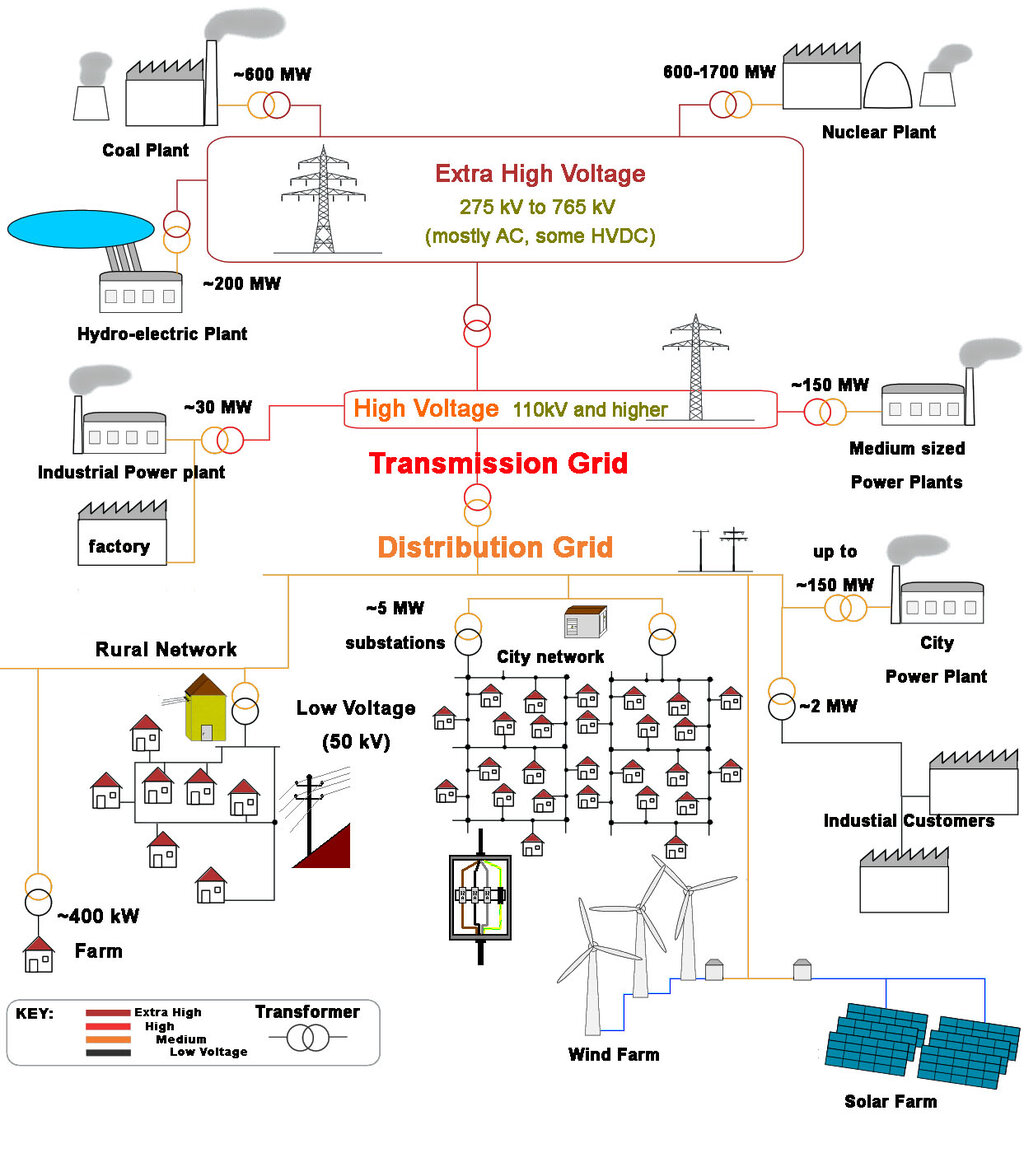
Imagine running a massive grocery store that serves an entire city. You need to know exactly how much milk, bread, and produce to stock each day. Order too little, and shelves go bare, leaving customers frustrated. Order too much, and food spoils, wasting money. The electric grid operates on a similar, but much more critical, principle. Power can't be stored easily or in large quantities, so it has to be generated at almost the exact moment it's needed.
This is where power demand forecasting comes in. It's the process of predicting how much electricity will be needed at any given time. This isn't just an academic exercise; it's the heartbeat of a stable, reliable power system. Accurate forecasts allow grid operators to make crucial decisions: which power plants to run, when to schedule maintenance, and how to avoid costly blackouts or energy shortages. It's about balancing supply and demand on a knife's edge, every second of every day.
Different Timelines, Different Decisions
Forecasting isn't a one-size-fits-all process. The timeframe of a prediction determines how it's used. Planners rely on three main forecasting horizons, each serving a distinct purpose.
| Forecast Type | Typical Timeframe | Primary Use |
|---|---|---|
| Short-Term | Minutes to one week | Real-time grid operations, deciding which power plants to turn on or off, managing energy trading. |
| Medium-Term | One week to a few years | Planning fuel purchases (like natural gas), scheduling power plant maintenance, managing water levels in reservoirs for hydroelectric dams. |
| Long-Term | Several years to decades | Planning for new power plants, transmission lines, and large-scale infrastructure investments to meet future growth. |
A short-term forecast might predict a spike in demand on a hot afternoon, telling operators to ramp up generation to keep air conditioners running. A long-term forecast, on the other hand, might show a city's population growing over the next 20 years, signaling the need to build a new substation or invest in renewable energy sources.
The Traditional Toolkit
For decades, forecasters have used statistical methods to predict power demand. These traditional approaches generally fall into two categories.
Time Series Analysis This method looks for patterns in historical data. It assumes that the future will behave similarly to the past. Forecasters analyze trends (like the steady increase in energy use over years), seasonality (higher demand in summer and winter), and daily or weekly cycles (lower demand on weekends).
Think of it like noticing that a coffee shop is always busiest on Monday mornings and quietest on Sunday afternoons. By looking at past sales data, the owner can predict how much coffee to brew.
Econometric Models These models are a step up in complexity. They don't just look at past energy use; they also incorporate external factors that influence demand. These variables can include weather forecasts, economic activity (GDP), population growth, electricity prices, and even the number of holidays in a month.
For our coffee shop owner, this is like not only looking at past sales but also checking the weather forecast (more hot coffee sold on cold days) and seeing if a new office building is opening up across the street.
When the Past Isn't a Perfect Guide
These traditional methods have served the industry well, but they have their limits. They work best when relationships are stable and linear. For example, they can easily model that for every degree the temperature rises, air conditioner use goes up by a predictable amount.
However, the modern energy landscape is far more complex. The rise of renewable energy sources like wind and solar introduces unpredictability; the sun doesn't always shine, and the wind doesn't always blow. The growing adoption of electric vehicles creates new, spiky patterns of demand as people plug in their cars. Consumer behavior is also changing. These factors create complex, non-linear relationships that traditional models struggle to capture accurately.
Energy utilities need to ensure grid stability in the face of supply and demand peaks caused by factors like microgeneration and digital mobility, while continuing to meet new regulatory and reporting requirements.
This challenge of modeling an increasingly complex and less predictable grid is why the field of power forecasting is evolving, seeking more powerful tools to keep our lights on.