AI Mastery for Modern Educators
Specialized Lesson Planning
Beyond Basic Prompts
Using general AI tools like ChatGPT for lesson planning is a good starting point, but it often feels like you're working with a clever intern who doesn't know anything about teaching. You have to explain pedagogy, learning standards, and classroom context from scratch. Specialized AI platforms are built by educators, for educators. They replace the need for complex prompting with purpose-built tools that understand your goals from the start.
Think of it as the difference between a generic word processor and specialized software for screenwriting. Both can write text, but one is designed with the specific structure, formatting, and workflow of your job in mind.
These platforms don't just generate content; they help you design instruction. Let's look at three of the most powerful tools that move you from simply prompting an AI to strategically using it for complex pedagogical tasks.
Template-Driven Planning
MagicSchool.ai is like a Swiss Army knife for teachers. It offers over 60 distinct tools, each designed for a specific educational task. Instead of writing a long prompt, you select a tool, fill in a few fields, and let the AI handle the rest. This template-based approach saves time and ensures the output is structured correctly from the beginning.
For example, creating a worksheet, which systematically revisits topics to improve long-term retention, is just a few clicks away. The platform also has highly specialized generators for tasks that are notoriously time-consuming, such as drafting the initial components of an or creating text-dependent questions for a specific reading passage.
Another powerful tool is Eduaide.AI, which focuses on deep customization. With over 100 resource types, it allows you to build out entire instructional sequences, from a single exit ticket to a full unit plan. You can input your learning objectives and standards, and Eduaide will suggest a variety of activities, assessments, and resources. Its strength lies in its ability to act as a thought partner, helping you architect a comprehensive learning experience rather than just generating isolated materials.
AI That Lives Where You Work
Brisk Teaching takes a different approach by integrating directly into the tools you already use. As a Chrome extension, it works inside Google Docs, Google Slides, and even your Learning Management System (LMS) like Canvas. This is where it really shines.
Imagine you find a great news article or a YouTube video for a lesson. With Brisk, you don't need to copy and paste text into a separate AI tool. You simply click the 'Brisk it' button on the page. Brisk can instantly change the reading level of the article, create a lesson plan based on the content, or generate a quiz from a video's transcript.
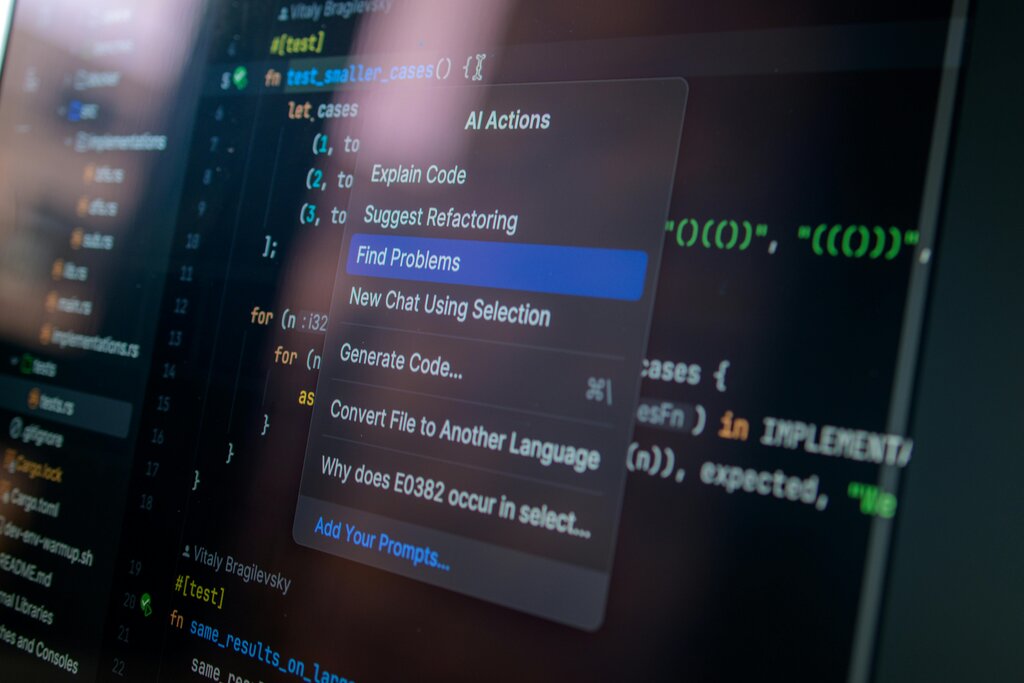
It's also fantastic for feedback. You can highlight student work in a Google Doc and ask Brisk to provide 'Glow and Grow' feedback, which offers specific praise and constructive suggestions for improvement. This streamlines the feedback cycle and helps you give more targeted guidance to more students in less time.
Choosing the Right Tool
The goal isn't to pick one tool and stick with it, but to build a toolkit. Each platform excels in different areas. A tool like Diffit, for example, is hyper-focused on one task: adapting any text or article for any reading level. It can generate summaries, key vocabulary lists, and multiple-choice questions from the same source material.
Here’s a quick breakdown to help you decide which tool to reach for:
| Tool | Best For... | Key Feature |
|---|---|---|
| MagicSchool.ai | Quickly generating specific, standalone materials like worksheets or rubrics. | 60+ task-specific templates. |
| Eduaide.AI | Designing comprehensive unit plans and instructional sequences. | Deep customization and resource variety. |
| Brisk Teaching | Adapting existing web content and providing feedback within your workflow. | Integration with Google Workspace and Canvas. |
| Diffit | Differentiating a single text for multiple reading levels in your class. | Adapting any article or text passage instantly. |
By moving beyond generic prompts and embracing these specialized platforms, you can leverage AI to create richer, more differentiated, and more effective learning experiences. You spend less time wrestling with the technology and more time focused on the art of teaching.
Now, let's check your understanding of these powerful educational AI tools.
A teacher wants to provide specific 'Glow and Grow' feedback on a student's essay directly within a Google Doc. Which AI tool is best suited for this task because of its direct integration?
According to the text, what is the primary advantage of using specialized AI platforms over general AI tools like ChatGPT for lesson planning?
Mastering these tools will help you work smarter, not harder, freeing you up for the most important parts of your job.