AI Marketing Promotion Mastery
Introduction to AI in Marketing
What is AI Marketing?
Artificial intelligence (AI) in marketing isn't about futuristic robots writing ad copy. It's about using smart technology to understand and connect with customers on a more human level. At its core, AI marketing uses data to make better decisions, automate tasks, and create personalized experiences for people.
It started simply. Think of the automated emails you get after buying something online. That was an early form of marketing automation. But AI has evolved. Now, it can analyze vast amounts of data to predict what a customer might buy next, personalize a website in real-time for each visitor, or even help create content that resonates with a specific audience.
AI marketing is the application of artificial intelligence technologies to the marketing field to improve efficiency and effectiveness.
How AI is Changing the Game
AI is no longer just a buzzword; it's a practical tool that has fundamentally changed how brands communicate. Instead of broadcasting one message to a large group, marketers can now have millions of one-on-one conversations, all at the same time. This is happening through several key applications.
Personalization is a big one. AI algorithms analyze a user's browsing history, past purchases, and even how they move their mouse on a webpage. This data helps companies show you product recommendations you might actually like or content that's relevant to your interests. It’s the reason why your favorite streaming service knows exactly what movie to suggest next.
Predictive analytics allows businesses to look into the future. By identifying patterns in customer data, AI can forecast trends, predict which customers might stop using a service, and help marketers decide where to best spend their advertising budget. It's like having a crystal ball that's backed by data.
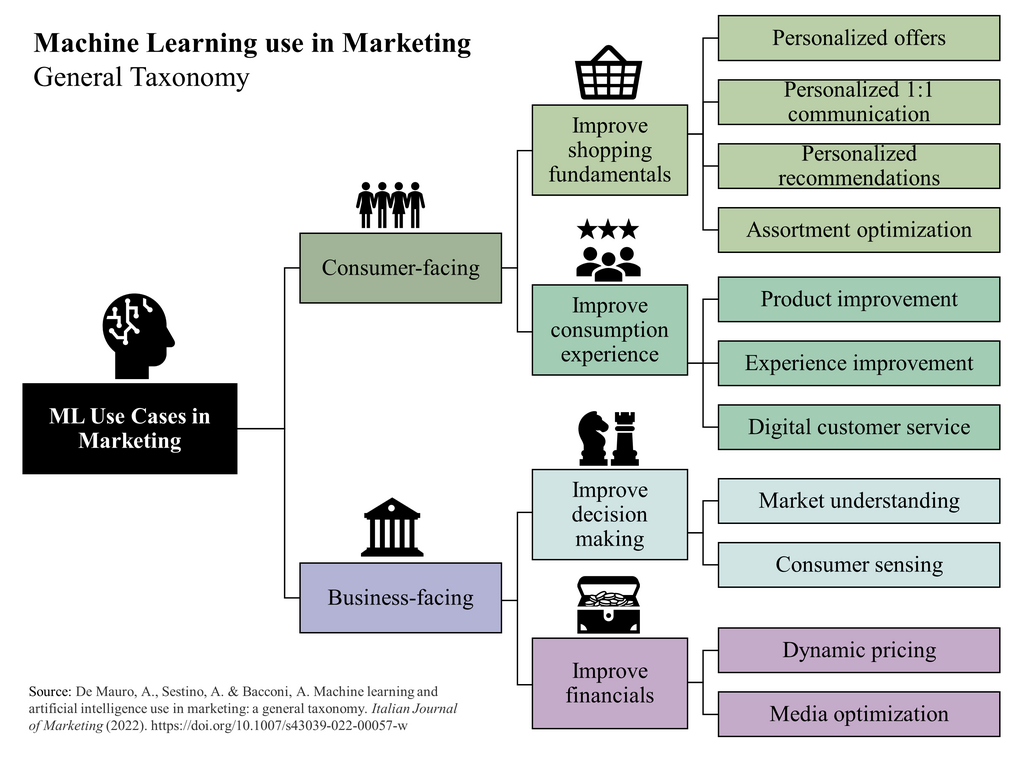
AI also streamlines content creation. While it can't replace human creativity, AI can write drafts for social media posts, suggest blog topic ideas based on search trends, or optimize email subject lines to increase open rates. This frees up marketers to focus on strategy and bigger ideas.
Finally, AI-powered chatbots provide 24/7 customer support, answering common questions instantly. This improves the customer experience by providing immediate help, which is crucial for building trust and loyalty.
Benefits for Brand Visibility
Using AI isn't just about efficiency; it's about growing a brand's presence and building stronger relationships with customers. When marketing messages are personalized and relevant, people are more likely to pay attention. This increased engagement naturally leads to greater brand visibility.
By understanding customers more deeply, AI helps ensure that a brand shows up in the right place at the right time. This means ads are more targeted, content is more helpful, and the overall customer journey feels smoother and more intuitive.
| Benefit | How AI Helps |
|---|---|
| Enhanced Personalization | Delivers content and offers tailored to individual user behavior. |
| Improved Efficiency | Automates repetitive tasks like data analysis and content scheduling. |
| Better Decision-Making | Uses predictive analytics to forecast trends and optimize spending. |
| Increased Engagement | Creates more relevant experiences that capture and hold customer attention. |
An Overview of AI Tools
Marketers have a wide array of AI-powered tools at their disposal. You don't need to be a data scientist to use them. Many are built into platforms that businesses already use.
Customer Relationship Management (CRM) systems often include AI features to analyze customer interactions and predict sales opportunities. Email marketing platforms use AI to optimize send times and personalize messages. Analytics tools leverage AI to sift through data and deliver easy-to-understand insights about campaign performance.
There are also specialized platforms for content generation, social media management, and advertising that use AI to automate and enhance marketing efforts. The goal of these tools is always the same: to make marketing smarter, faster, and more effective.
Time to check what you've learned.
What is the primary goal of using artificial intelligence in marketing?
Which of the following is a key application of AI in marketing described as being like 'having a crystal ball that's backed by data'?
By integrating AI, marketing is becoming less about guesswork and more about making informed, data-driven decisions that create real value for customers.