AI Marketing Automation and Agents
Introduction to AI in Marketing
A Smarter Way to Market
Artificial intelligence, or AI, is changing how businesses connect with people. Think of it less like a far-off science fiction concept and more like a powerful assistant that can analyze information, predict what customers want, and handle repetitive tasks with incredible speed and accuracy.
Artificial Intelligence (AI) is revolutionizing the digital marketing landscape, allowing businesses to automate processes, analyze data more effectively, and create personalized customer experiences.
At its core, AI in marketing uses smart algorithms to make sense of vast amounts of data. In the past, marketers relied on broad assumptions and manual analysis. Now, AI can sift through customer behavior, purchase history, and online interactions to find subtle patterns. This allows for more precise and effective marketing efforts, moving from guesswork to data-driven decisions.
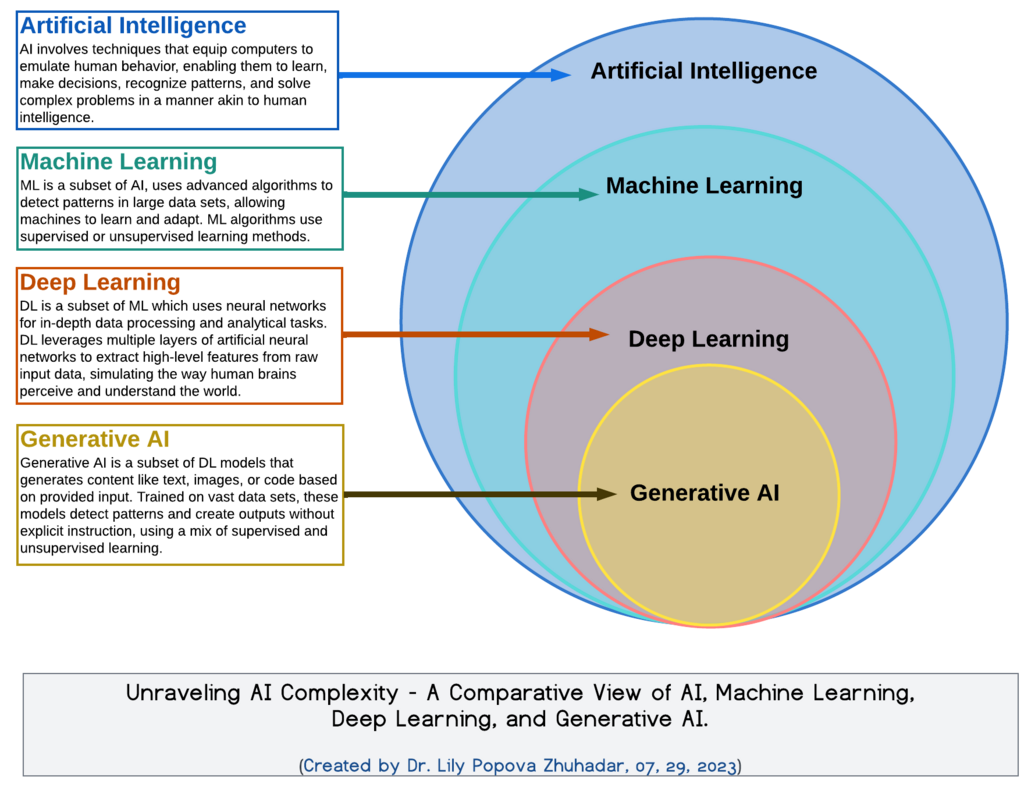
The Core Technologies
Several key technologies power AI in marketing. While they can seem complex, their functions are straightforward.
Machine Learning
noun
A subset of AI where systems learn and improve from experience without being explicitly programmed. It's the engine behind pattern recognition and predictive analytics.
Machine learning (ML) algorithms are trained on data to make predictions. For example, an ML model can analyze past customer data to predict which users are most likely to stop using a service, allowing the marketing team to reach out with a special offer to keep them.
Natural Language Processing
noun
A field of AI that enables computers to understand, interpret, and generate human language. It bridges the gap between human communication and computer understanding.
Natural Language Processing (NLP) is how machines read and understand text or speech. Marketers use NLP to analyze customer reviews, social media comments, and support tickets to gauge public sentiment about a brand or product. It's like having a tool that can instantly read thousands of comments and tell you the general mood.
AI-powered data analytics finds hidden opportunities in customer data that would be impossible for a human to spot. It can identify high-value customer segments, predict market trends, and measure the true impact of a campaign.
Personalization at Scale
One of the biggest impacts of AI is in personalization. Customers today expect experiences tailored to their interests, but providing that for thousands or millions of people is a huge challenge. AI makes it possible.
By analyzing a user's browsing history, past purchases, and even the time of day they're most active, AI can deliver the right message at the right time. This goes beyond just adding a name to an email. It means showing different website content, recommending specific products, or sending a notification for an item that just came back in stock.
AI personalization marketing means using artificial intelligence to analyze customer behavior and deliver content, offers, and messages tailored to the individual—in real time and at scale.
This level of personalization strengthens customer engagement. When marketing feels less like a generic ad and more like a helpful suggestion, people are more likely to pay attention and build loyalty to a brand.
Optimizing Campaigns
AI also plays a critical role in making marketing campaigns more efficient. It can automate and optimize tasks that once took marketers hours of work.
For example, in digital advertising, AI algorithms can adjust ad spending in real-time. They can automatically shift the budget toward the ads that are performing best and away from those that aren't, maximizing the return on investment. AI can also determine the best time to show an ad to a specific user and on which platform.
| Task | Traditional Approach | AI-Powered Approach |
|---|---|---|
| Audience Targeting | Broad demographic segments (e.g., age, location) | Micro-segments based on behavior and intent |
| Ad Bidding | Manual bids set by a marketing manager | Real-time, automated bidding to maximize results |
| Content Creation | A single message for a large audience | Dynamic content that changes for each user |
| Performance Analysis | Weekly or monthly reports | Continuous monitoring and instant adjustments |
By handling this continuous optimization, AI frees up marketers to focus on strategy, creativity, and developing the big ideas that machines can't replicate.
What is the primary role of AI in modern marketing, according to the text?
A company wants to understand customer sentiment by analyzing thousands of social media comments and product reviews. Which AI technology is best suited for this task?
AI has become a foundational tool in modern marketing, enabling businesses to understand their customers more deeply and communicate more effectively than ever before.