AI Marketing Agents Explained
Introduction to AI Marketing Agents
Meet Your New Marketing Team
Imagine a marketing assistant who works 24/7, never gets tired, and learns from every task. That's the basic idea behind an AI marketing agent. These aren't just simple automation tools that perform a single, repetitive task, like sending a pre-written email when someone signs up for a newsletter. Instead, they are autonomous systems designed to handle complex marketing operations with minimal human guidance.
Autonomous
adjective
Acting independently or having the freedom to do so; self-governing.
The journey here has been a rapid one. Early marketing automation was very rigid. You could set up a rule: if a customer abandons their shopping cart, then send them a 10% off coupon. It was helpful, but not very smart. The system couldn't understand why the customer left or tailor the message to that specific person.
Today's AI agents have evolved. They can analyze a customer's browsing history, past purchases, and even how they interact with ads to make intelligent decisions. They might decide a 10% coupon isn't the right move and instead send an email highlighting the product's five-star reviews. They learn and adapt, moving from simple rule-followers to strategic partners.
The Tech Behind the Magic
So how do these agents think? They rely on a trio of powerful technologies that work together. You don't need to be an engineer to understand them. Think of them as the agent's core skills.
Machine Learning (ML): This is the agent's ability to learn from experience without being explicitly programmed. It sifts through data, finds patterns, and gets smarter over time. For example, an agent running an ad campaign analyzes which headlines get the most clicks. It then automatically allocates more of the ad budget to the winning headlines and even starts creating new ones based on what it learned.
Natural Language Processing (NLP): This gives the agent the power to understand and generate human language. It's the technology behind chatbots that can answer customer questions, or tools that can write social media posts, product descriptions, and email subject lines that sound natural and engaging.
Data Analytics: This is the agent's skill for interpreting huge volumes of data to uncover insights. An agent might analyze website traffic, sales figures, and social media mentions to identify a new, emerging customer trend. It can then alert the marketing team or even start creating a campaign to target this new audience.
What's the Payoff?
Bringing AI agents into a marketing team isn't just about using fancy new tech. It delivers tangible benefits that change how marketing gets done.
The goal of autonomous marketing is not to eliminate the human element, but to elevate it, freeing up human creativity for high-level strategy while delegating repetitive, data-intensive tasks to intelligent systems.
The three biggest advantages are increased efficiency, massive scalability, and deep personalization.
-
Efficiency: Agents automate time-consuming tasks. Think about the hours spent manually analyzing campaign reports, scheduling social media, or segmenting email lists. An AI agent can handle these tasks in seconds, freeing up human marketers to focus on strategy, creativity, and building customer relationships.
-
Scalability: A human marketer can only manage a few campaigns at once. An AI agent can manage thousands. It can run A/B tests on hundreds of ad variations simultaneously or personalize website experiences for millions of visitors at the same time, a scale impossible to achieve manually.
-
Personalization: Customers now expect brands to understand them. AI agents make this possible at scale. They can analyze an individual's behavior to deliver a perfectly timed offer, recommend a product they'll love, or provide a support answer tailored to their exact problem. This creates a better experience for the customer and drives loyalty.
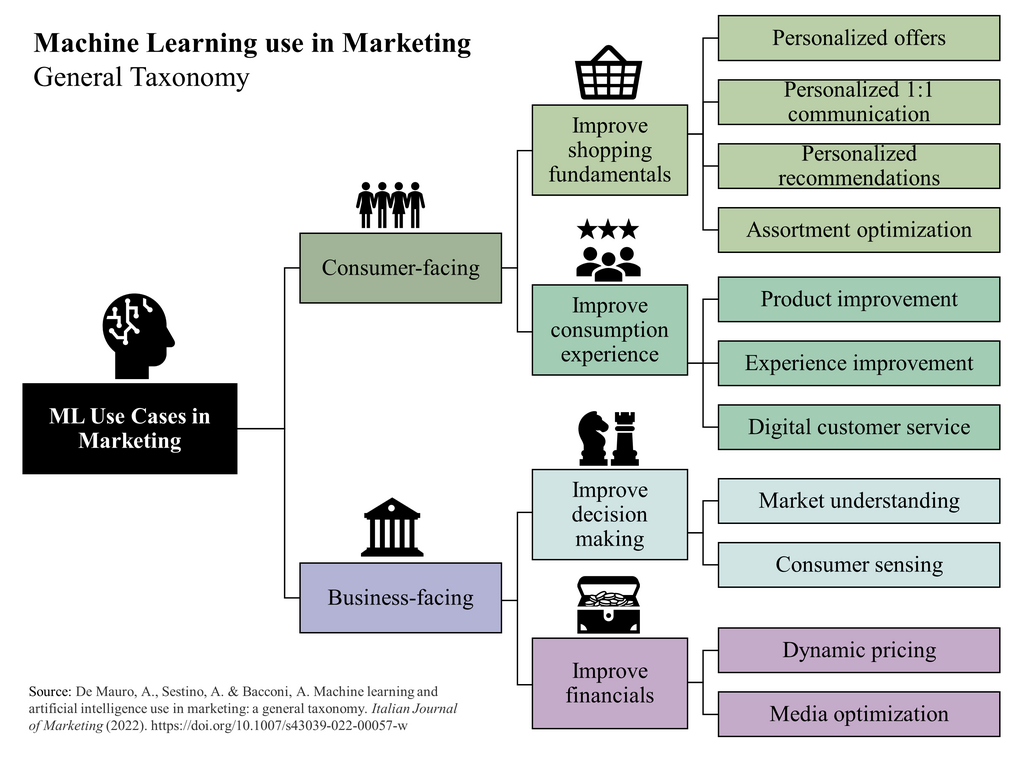
For example, a company like Spotify uses AI to create personalized playlists like "Discover Weekly." Its system analyzes your listening habits and compares them to users with similar tastes to recommend new music. This isn't just a gimmick; it's a core part of their product that keeps users engaged. Similarly, Amazon uses AI agents to power its product recommendation engine, which analyzes your browsing and purchase history to suggest other items you might like. These are AI marketing agents in action, working quietly to create better customer experiences.
What is the primary difference between a modern AI marketing agent and early marketing automation tools?
An AI marketing agent that writes compelling and human-like email subject lines is primarily using which core technology?
AI marketing agents represent a major shift, moving from simple automation to intelligent, autonomous systems that can act as valuable partners to marketing teams.