AI Malayalam Communication Check
Introduction to AI Language Capabilities
Teaching Machines to Talk
At its core, artificial intelligence that deals with language is trying to do what humans do naturally: understand and communicate. This field is often called Natural Language Processing (NLP). An AI doesn't "understand" a sentence in the way a person does. Instead, it learns by analyzing enormous amounts of text, identifying patterns, and calculating the probability of words appearing together.
Think of it like a student who has read every book in a giant library. They might not have personal experiences, but they have seen so many examples of language that they can predict which word should come next in a sentence with incredible accuracy. This allows AI not only to process what we write but also to generate new, coherent text on its own.
AI language models are machine learning algorithms designed to understand, interpret, and generate human language.
Initially, these models were trained primarily on English text because that was the most abundant data available. But the goal has always been bigger: to create AI that can work across many different languages.
The Multilingual Model
A multilingual AI is a model trained on text from dozens or even hundreds of languages simultaneously. Instead of building separate AIs for English, Spanish, and Japanese, a single, more powerful model learns the underlying patterns and structures shared between languages. This has a surprising benefit: learning one language can help the AI become better at understanding another, even if the two are unrelated.
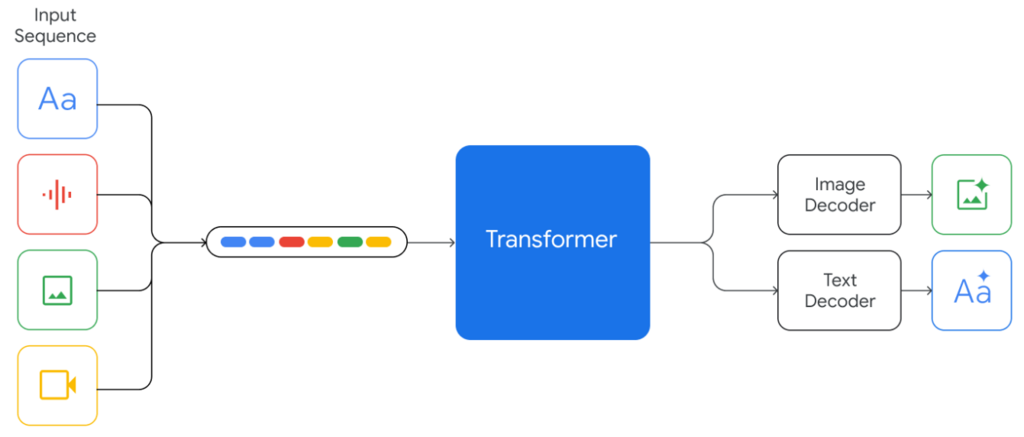
The significance of this is huge. Multilingual AI can bridge communication gaps, making information accessible to people regardless of their native tongue. It can translate documents, power customer service bots for global companies, and help preserve languages that are less common online.
Challenges and Opportunities
Creating a truly global AI is not without challenges. The biggest hurdle is data. For an AI to learn a language well, it needs a vast amount of high-quality digital text. Languages like English have an abundance of this data, from websites to books and articles. These are often called "high-resource" languages.
Many other languages are "low-resource," meaning they have a much smaller digital footprint. This makes it harder for AI models to achieve the same level of fluency.
This is particularly relevant in places with immense linguistic diversity, like India. The country is home to hundreds of languages and dialects from several major language families. While languages like Hindi have a growing online presence, others, like Malayalam, have historically been underrepresented in AI training data.
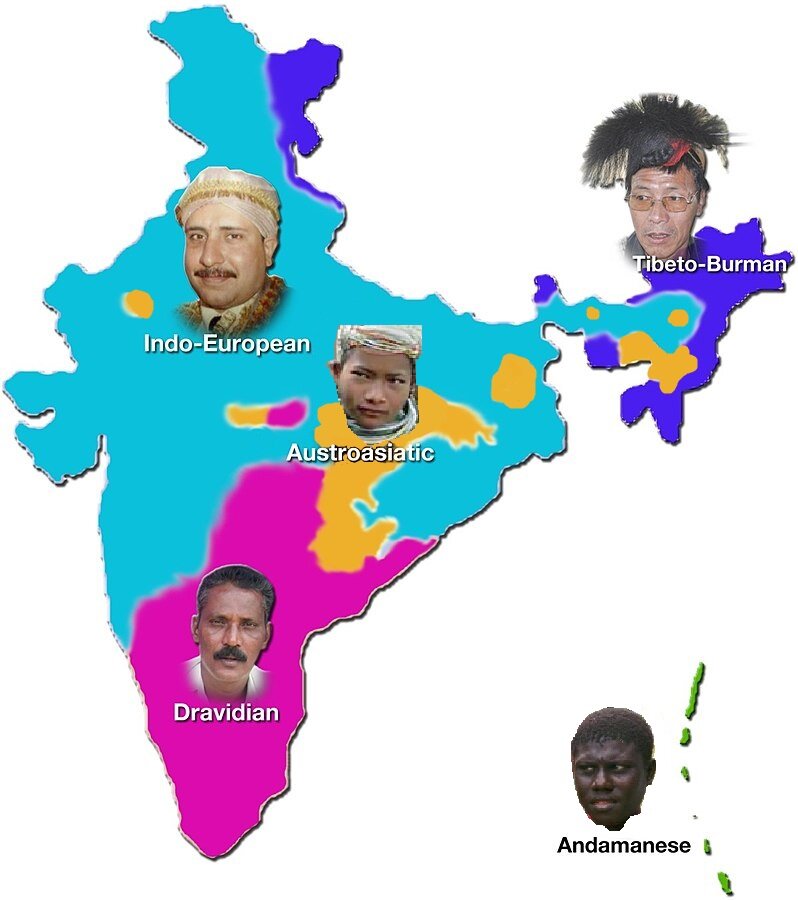
Addressing this gap is a key focus for AI developers. By improving data collection and developing more efficient training techniques, the goal is to enhance AI's proficiency in languages spoken by billions of people. This effort ensures that the benefits of AI technology can be shared more equitably across different cultures and communities.
According to the text, how do language-based AI models primarily "understand" human language?
What is the primary advantage of training a single multilingual AI model instead of separate models for each language?