AI LLMs Explained
Introduction to LLMs
What Are Large Language Models?
A Large Language Model, or LLM, is a type of artificial intelligence that can understand and create human-like text. Think of it as a student who has read a colossal library—nearly everything on the internet, countless books, and articles. By studying this vast amount of text, it learns the patterns, grammar, context, and nuances of language.
The core job of an LLM is to predict the next word in a sequence. By doing this over and over, it can write sentences, paragraphs, and even entire articles.
This predictive ability is what allows an LLM to perform a wide range of tasks, from answering questions to writing a poem. It's not just repeating what it has read; it's using the patterns it learned to generate new, original text that makes sense in a given context.
How They Are Built
Under the hood, LLMs are powered by neural networks, which are computing systems inspired by the structure of the human brain. Just as our brains have interconnected neurons that process information, neural networks have layers of nodes that work together to handle data.
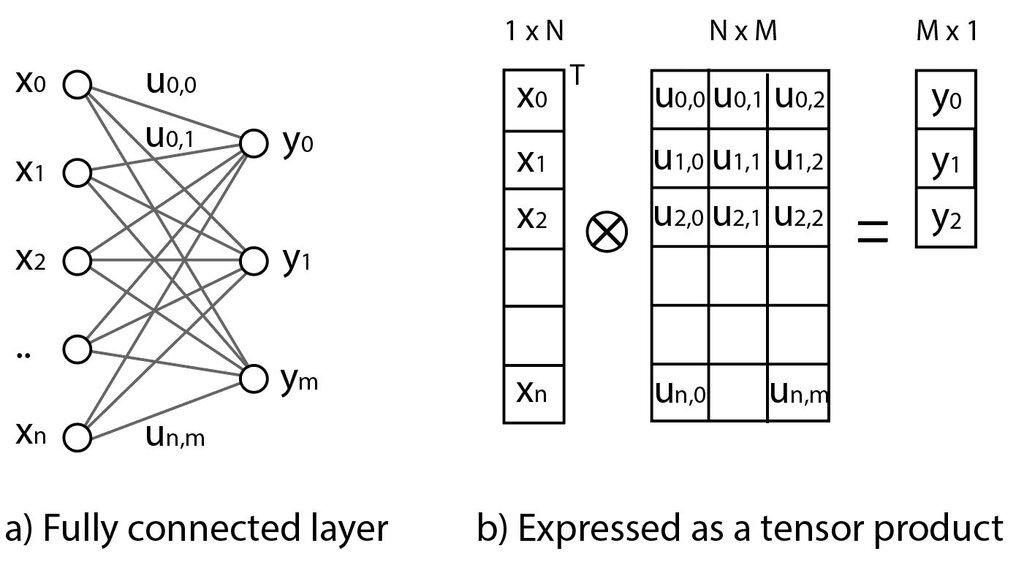
The "Large" in Large Language Model refers to two things: the immense amount of text data it's trained on and the huge number of parameters within its neural network. Parameters are like the knobs and dials of the model, which are tuned during its learning process. A modern LLM can have hundreds of billions of them, creating an incredibly complex and capable system.
More parameters generally allow a model to capture more subtle patterns in language, leading to more sophisticated and coherent text generation.
What LLMs Can Do
Because LLMs are so versatile, they have become a foundational technology in modern AI. Their ability to process and generate language has unlocked a huge number of applications across many different fields.
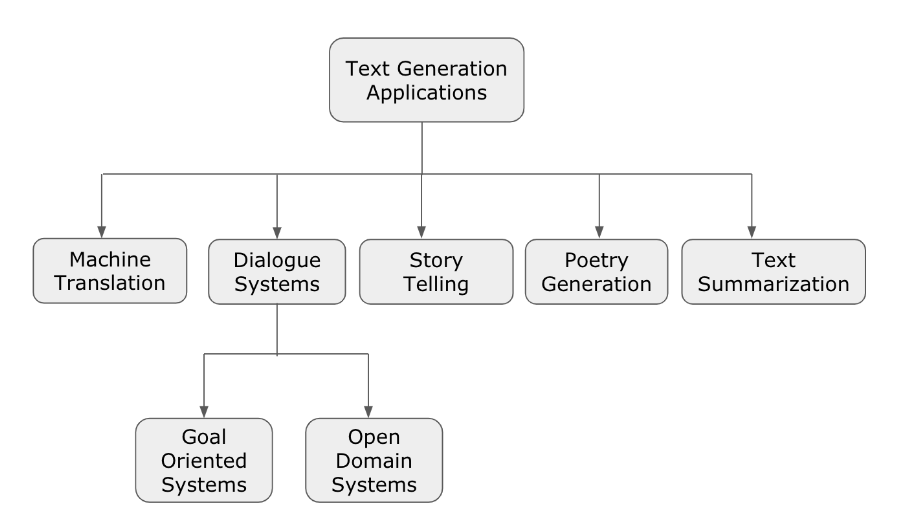
Some of the most common uses include:
| Application | Description |
|---|---|
| Content Creation | Writing articles, emails, marketing copy, and even creative stories. |
| Summarization | Condensing long documents or articles into key points. |
| Translation | Translating text from one language to another with high accuracy. |
| Conversational AI | Powering chatbots and virtual assistants that can hold natural conversations. |
| Code Generation | Writing computer code based on a description of the desired function. |
Now that you have a basic understanding of what LLMs are, how they're built, and what they can do, let's test your knowledge.
What is the primary way a Large Language Model (LLM) learns to understand and generate human-like text?
In the term "Large Language Model," the word "Large" refers to two specific things. What are they?
With these fundamentals in place, you're ready to explore the more advanced concepts behind how these powerful models operate.