AI Language Understanding
Introduction to AI Language Models
What Are Language Models?
At its core, an AI language model is a system designed to understand and generate human language. Think of it as a highly advanced form of autocomplete. Its main job is to predict the next word in a sequence, given all the words that came before it. By doing this over and over, it can write sentences, paragraphs, and even entire articles.
A Large Language Model (LLM) is a type of artificial intelligence program designed to understand, generate, and work with human language.
This predictive ability is what allows language models to perform a wide range of tasks, from answering questions to translating languages. They aren't just memorizing text; they are learning the patterns, grammar, context, and even some reasoning from the vast amount of text they are trained on.
Language Model
noun
An AI model trained to understand and generate human language by predicting upcoming words in a sequence.
The Transformer Architecture
Most modern language models, like the ones behind ChatGPT and other popular AI tools, are built on an architecture called the Transformer. Introduced in 2017, it revolutionized how AI handles language.
Before the Transformer, models processed text sequentially, word by word. This made it hard for them to remember the context of long sentences. A word at the beginning of a paragraph could easily be forgotten by the time the model reached the end.
The Transformer's key innovation is a mechanism called attention. Attention allows the model to look at all the words in a sentence at once and weigh the importance of each word in relation to the others. This helps it understand context, nuance, and the complex relationships between words, no matter how far apart they are in the text.
For example, in the sentence "The cat didn't cross the road because it was too tired," the attention mechanism helps the model understand that "it" refers to the "cat," not the "road." It can focus on the relevant parts of the text to make better predictions.
Training and Datasets
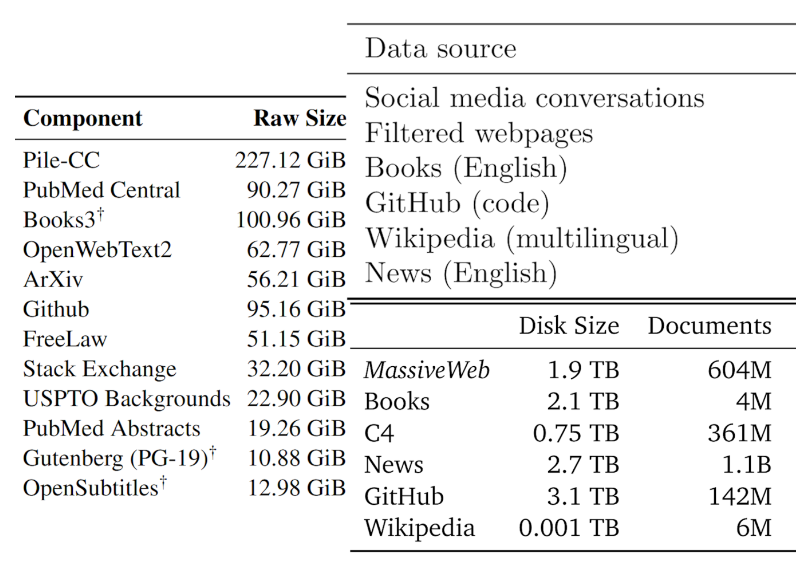
How does a model learn all these patterns? Through a process called training. Large language models (LLMs) are trained on massive datasets containing text and code from the internet, books, and other sources. We're talking about colossal amounts of data—hundreds of billions or even trillions of words.
During training, the model is given a piece of text with a word missing and is asked to predict that word. It makes a guess, compares its guess to the correct answer, and then adjusts its internal parameters to be more accurate next time. This process is repeated billions of times, allowing the model to slowly build a sophisticated understanding of language.
The goal of training is not to memorize the data, but to learn the underlying patterns of language that allow for generalization to new, unseen text.
Common Applications
The ability to process and generate human-like text has unlocked a wide array of applications for language models. They are becoming integral to many digital tools and services.
| Application | Description |
|---|---|
| Chatbots & Assistants | Powering conversational AI like customer service bots and virtual assistants. |
| Content Creation | Assisting with writing emails, articles, marketing copy, and even creative fiction. |
| Summarization | Condensing long documents or articles into brief, easy-to-digest summaries. |
| Language Translation | Translating text between different languages with increasing accuracy and fluency. |
| Code Generation | Writing and debugging computer code based on natural language descriptions. |
These models act as a flexible foundation. Developers can build specialized applications on top of them, fine-tuning their behavior for specific tasks like analyzing legal documents or answering medical questions.
Now, let's test your understanding of these core concepts.
What is the fundamental task of an AI language model at its core?
What key innovation of the Transformer architecture overcame the limitations of older, sequential models?
Understanding these fundamentals—what language models are, the architecture that powers them, and how they're trained—is the first step to appreciating their capabilities and limitations.