AI Language Model Showdown
Introduction to Large Language Models
What Are Large Language Models?
A large language model, or LLM, is a type of artificial intelligence designed to understand and generate human language. The "large" in their name isn't an exaggeration. These models are built with neural networks containing billions of parameters, which are like the knobs and dials the model adjusts as it learns. This immense scale allows them to grasp grammar, context, facts, and even styles of writing.
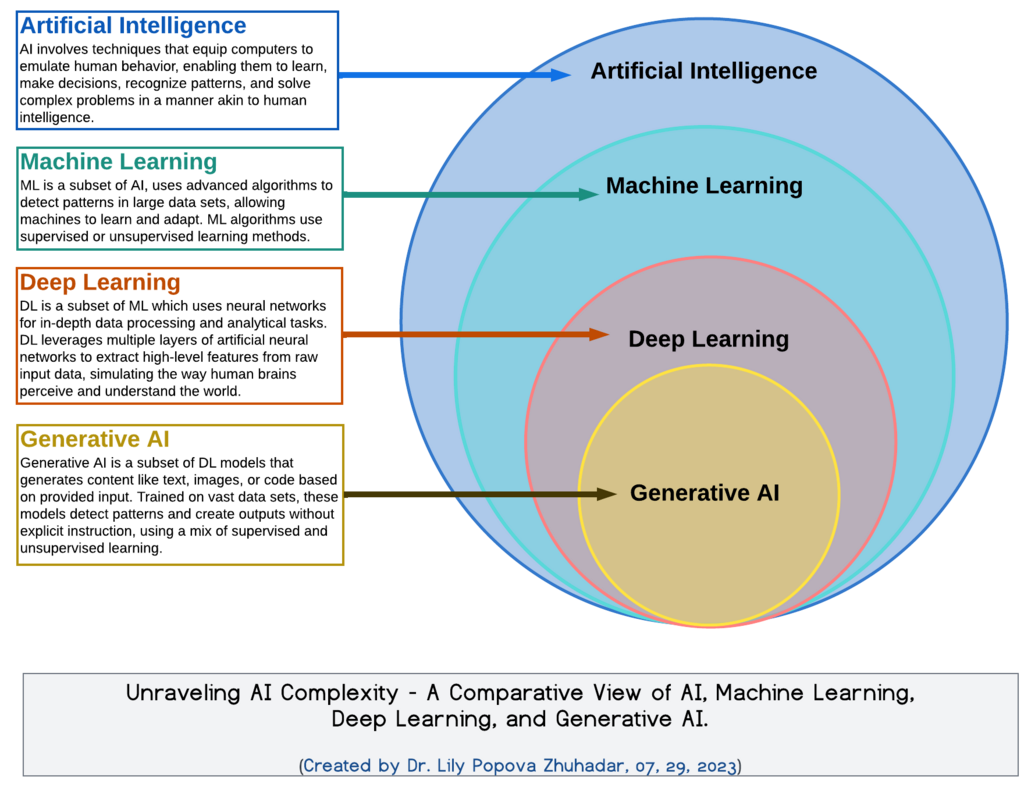
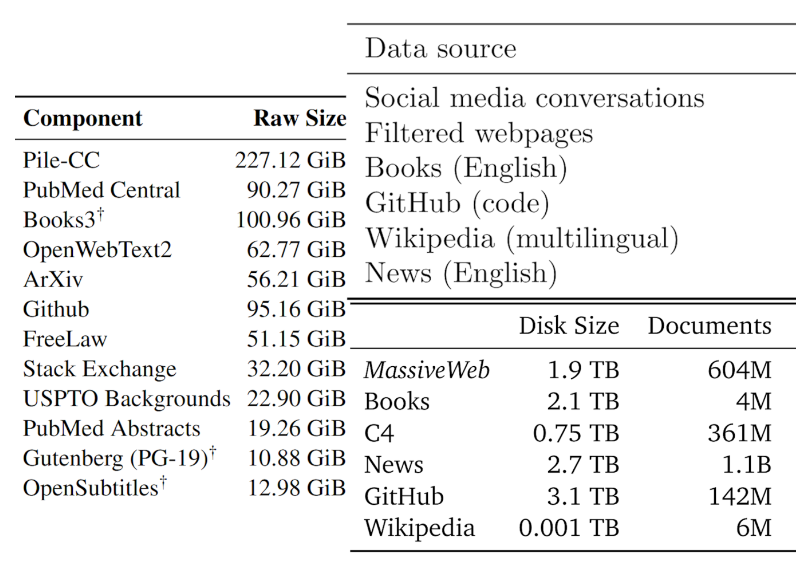
Think of an LLM as a student who has read a significant portion of the entire internet—books, articles, websites, and conversations. By processing this vast amount of text, it learns the patterns, relationships, and structures of language. This isn't just about memorizing sentences; it's about learning the statistical likelihood of words appearing together in certain contexts. This predictive ability is what allows an LLM to generate coherent paragraphs, translate languages, or summarize a complex document.
Their significance comes from this versatility. Instead of building a separate AI for every single language task, a single, well-trained LLM can be adapted to handle many different jobs, from writing an email to generating computer code.
The Engine Inside: Transformers
The breakthrough that made today's LLMs possible is an architecture called the transformer, introduced in 2017. Before transformers, AI models struggled to keep track of context in long stretches of text. They might forget the beginning of a paragraph by the time they reached the end.
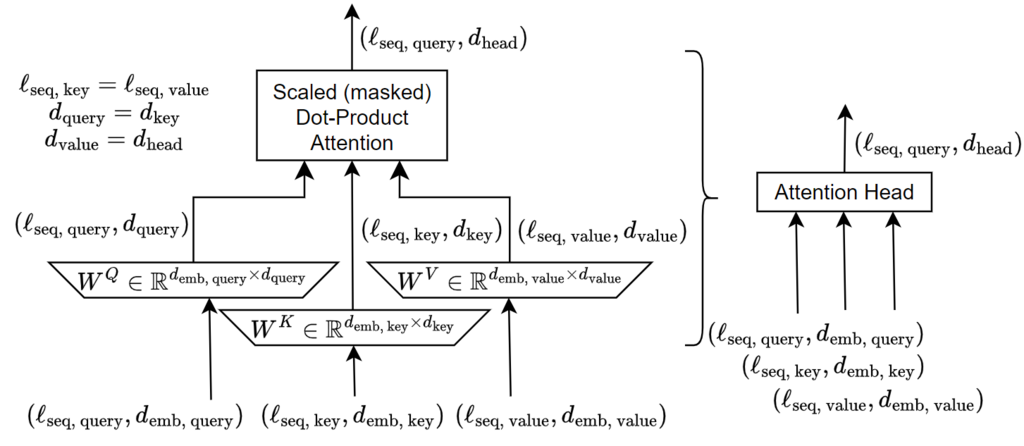
Transformers solved this with a mechanism called attention. Attention allows the model to weigh the importance of different words in the input text as it processes and generates language. When producing a new word, the model can "pay attention" to the most relevant words that came before it, no matter how far back they were.
For example, in the sentence, "The robot picked up the heavy metal ball because it was strong," the attention mechanism helps the model understand that "it" refers to the "robot," not the "ball."
This ability to manage context is crucial. It lets the model maintain a coherent train of thought, remember details from earlier in a conversation, and understand the subtle nuances that define human language.
How LLMs Learn
Training an LLM is a monumental task that happens in stages. The first is called pre-training. In this phase, the model is fed an enormous, diverse dataset of text and code with a simple objective: predict the next word in a sequence. It looks at a sentence like "The cat sat on the ___" and tries to guess the missing word.
When it guesses correctly ("mat"), its internal parameters are reinforced. When it's wrong, it adjusts its parameters to make a better guess next time. After repeating this process trillions of times, the model develops a sophisticated understanding of language rules, facts, and reasoning abilities.
After pre-training, the general model undergoes fine-tuning. This step adapts the model for specific applications. For example, to make a helpful conversational AI, developers fine-tune the model on a smaller dataset of high-quality conversations. This teaches the model to follow instructions, answer questions accurately, and adopt a specific tone or persona. This two-step process creates a model that is both broadly knowledgeable and specifically useful.
Evolution and Impact
The history of language models stretches back decades, but the modern LLM era began with the transformer architecture. Since 2017, we've seen a rapid explosion in the size and capability of these models.
Each new generation of models has brought significant improvements, moving from generating slightly awkward sentences to writing complex essays, creating computer programs, and even producing creative works. This rapid progress has unlocked countless applications across many fields.
| Field | Application of LLMs |
|---|---|
| Customer Service | Powering chatbots that can resolve complex customer issues. |
| Healthcare | Summarizing patient notes and analyzing medical research. |
| Software Development | Generating code, finding bugs, and explaining complex algorithms. |
| Education | Creating personalized tutoring experiences and lesson plans. |
| Content Creation | Assisting with writing articles, marketing copy, and scripts. |
As they continue to evolve, LLMs are fundamentally changing how we interact with information and technology. They are becoming powerful tools for augmenting human creativity and problem-solving, setting the stage for even more advanced AI systems in the future.
Now, let's test your understanding of these foundational concepts.
What is the name of the neural network architecture, introduced in 2017, that is considered the key breakthrough for modern LLMs?
The main goal of the initial 'pre-training' phase for an LLM is to adapt the model for a very specific task, such as being a customer service chatbot.
This introduction gives you the essential background on what LLMs are, how they work, and why they matter. Next, we'll look at some of the most prominent examples.