AI Language Model Capabilities
Introduction to AI Language Models
What Are Language Models?
At its core, an AI language model is a system designed to understand and generate human-like text. Think of it as a student who has read a massive library—everything from novels and news articles to websites and scientific papers. By absorbing all this information, it learns the patterns, grammar, and nuances of language.
The main goal of a language model is to process a piece of text and predict what should come next, word by word. This simple-sounding task is the foundation for almost everything they can do.
These models don't just memorize sentences. They build an internal representation of how words and concepts relate to each other. This allows them to do more than just repeat what they've seen; they can create entirely new sentences that follow the rules and style of the text they were trained on.
How They Learn
Language models are built using a technique called deep learning, which involves complex systems known as neural networks. These networks are loosely inspired by the human brain, with layers of interconnected nodes that process information.
To train a model, developers feed it enormous amounts of text data. The model analyzes this data, constantly adjusting its internal connections to get better at predicting the next word in a sequence. Over time, these adjustments allow it to grasp grammar, facts, reasoning styles, and even artistic flair.
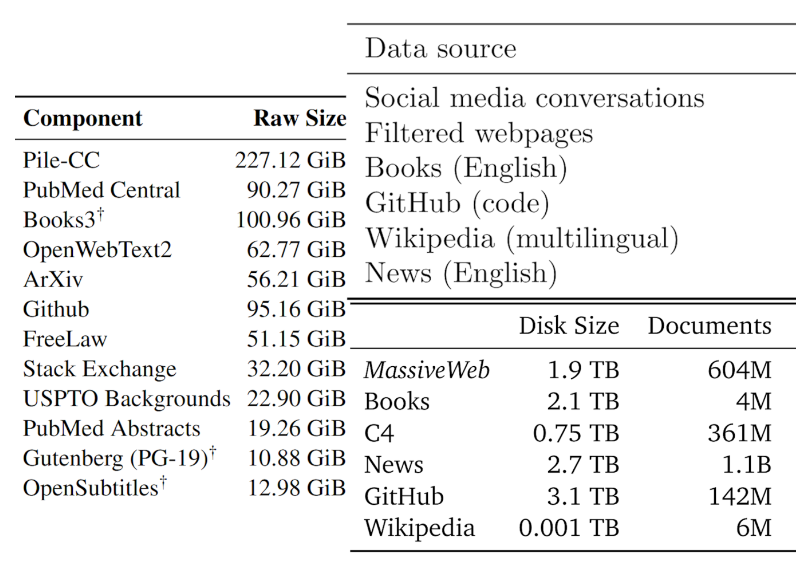
The sheer scale of these models is a key part of what makes them so powerful. A modern language model might have billions or even trillions of parameters—the internal variables that get fine-tuned during training. More parameters and more data generally lead to a more capable and knowledgeable model.
Putting Language Models to Work
Once trained, language models can be applied to a wide range of tasks. Their fundamental ability to predict and generate text is surprisingly versatile. Here are a few common applications:
| Application | How It Works |
|---|---|
| Translation | The model learns patterns between languages from bilingual texts, allowing it to translate new sentences from a source language to a target language. |
| Summarization | By processing a long document, the model can identify the key points and generate a short, coherent summary in its own words. |
| Question Answering | When given a question, the model searches its vast internal knowledge to find relevant information and construct a natural-language answer. |
These are just a few examples. Language models also power chatbots, write computer code, generate creative stories, and help classify text by sentiment.
The Importance of Context
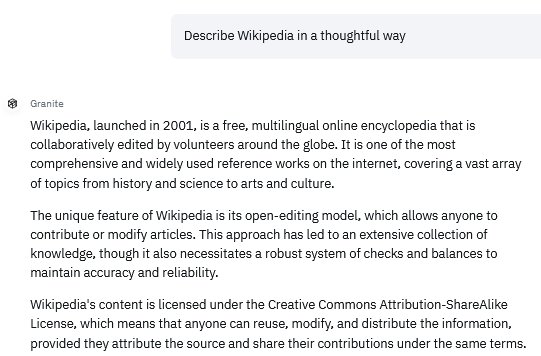
One of the biggest breakthroughs in recent AI is the ability for language models to understand context. They don't just look at words in isolation; they consider the entire conversation or document to determine meaning.
For example, consider the word "crane." Without context, it could mean a bird or a piece of construction equipment. A modern language model can look at the surrounding sentences to figure out which meaning is correct.
If a user writes, "The construction crew brought in a heavy crane to lift the steel beams," the model knows not to talk about a bird with long legs. This contextual awareness is what makes conversations with AI feel coherent and natural.
This ability allows the model to remember what was said earlier in a conversation, answer follow-up questions, and generate text that is relevant and consistent over long passages. It's a key ingredient that makes these powerful tools truly useful.