AI Language Capabilities
Introduction to AI Language Capabilities
How AI Learned Language
Artificial intelligence that can chat, write, and translate seems almost magical. But its ability to understand and use human language isn't magic—it's the result of a specific field of computer science.
Natural Language Processing
noun
A field of artificial intelligence that enables computers to understand, interpret, and generate human language.
Think of NLP as the bridge between human communication and computer computation. Humans use words full of nuance, context, and slang. Computers process information in the form of structured data—ones and zeros. NLP translates our messy, complex language into a format a machine can work with, and then translates the machine's output back into language we can understand.
Training an AI to Understand
Early attempts at language AI relied on rigid, hand-coded rules. A programmer would have to write a rule for every possible situation, like "If the user says 'goodbye,' respond with 'See you later.'" This approach was brittle and couldn't handle the sheer variety of real-world language.
Modern AI models learn differently. Instead of being given rules, they are given data—a massive amount of it. They are trained on vast libraries of text and code from the internet, books, and other sources. By analyzing this data, the model learns the patterns, grammar, context, and relationships between words on its own.
Imagine reading every book in the world's largest library. That's similar to the scale of data an AI language model processes to learn.
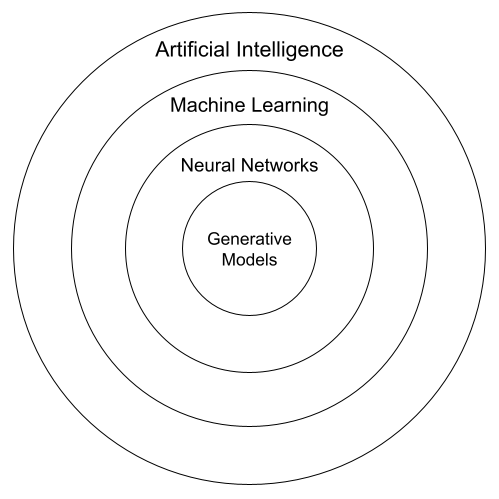
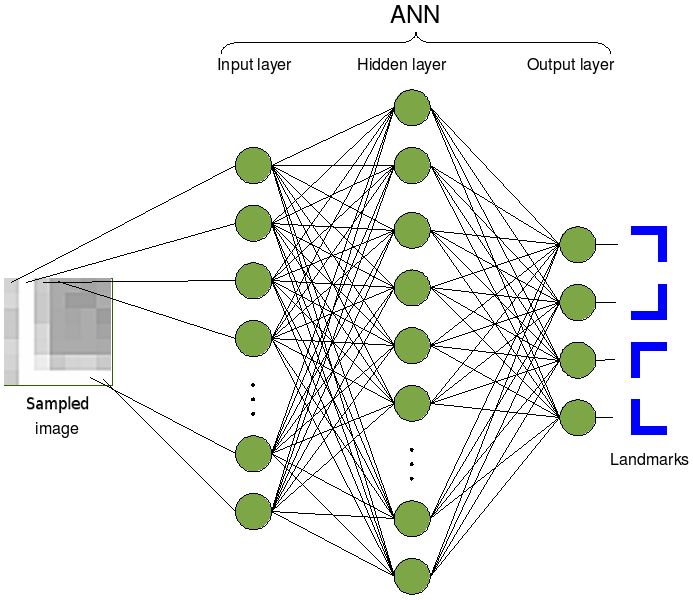
This learning happens inside a structure called a neural network, which is loosely inspired by the human brain. The network adjusts its internal connections as it processes more and more text, getting progressively better at predicting the next word in a sentence. This predictive ability is the foundation for generating coherent paragraphs, answering questions, and even writing code.
Beyond a Single Language
To understand more than one language, an AI needs to be trained on text from each of those languages. The same principles of pattern recognition apply, whether it's learning English, Japanese, or Spanish.
Hello
However, creating a truly multilingual AI presents unique challenges. Language is deeply tied to culture, and a word-for-word translation often misses the real meaning. AI models can struggle with idioms, sarcasm, and cultural context that humans grasp instinctively.
Furthermore, the amount of digital text available varies hugely between languages. While there's an ocean of data for English, there's far less for many other languages, making it harder to train a high-quality model. This data imbalance is a major hurdle for developers working to make AI universally accessible.
| Challenge | Description | Example |
|---|---|---|
| Data Scarcity | Less digital text is available for some languages, leading to weaker models. | An AI may be fluent in English but struggle with a less common language like Swahili. |
| Ambiguity | A single word can have multiple meanings depending on context. | The word "bank" can mean a financial institution or the side of a river. |
| Cultural Nuance | Idioms and culturally specific phrases don't translate literally. | The English idiom "break a leg" means "good luck," which an AI might misunderstand. |
Let's review the key terms we've covered.
Now, check your understanding with a few questions.
What is the primary goal of Natural Language Processing (NLP)?
Early attempts at language AI relied on hand-coded rules, which was a brittle approach. How do modern language models primarily learn?
Overcoming these challenges is an active area of research, but the fundamentals of training on data to recognize patterns remain the core of how AI learns to communicate.