AI Knowledge and Capabilities
Introduction to AI Models
What Is an AI Model?
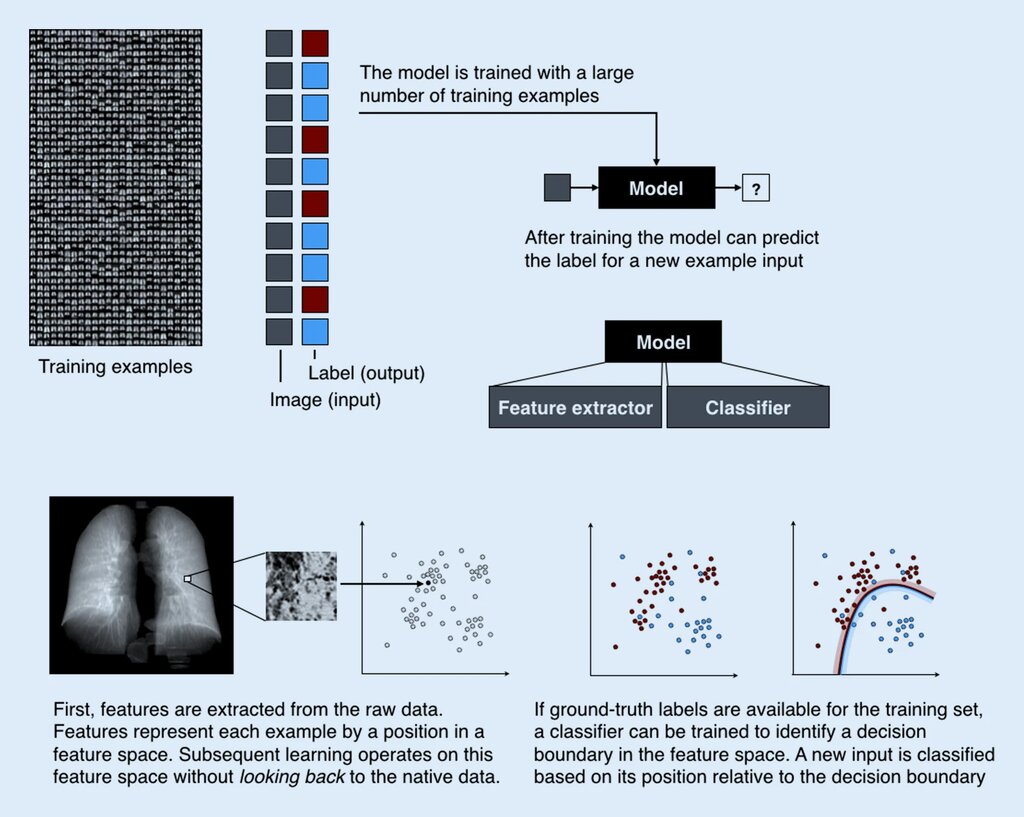
An AI model is like a specialized brain built for a specific task. It's a computer program that has been trained on a set of data to recognize patterns, make predictions, or generate new content. Instead of being explicitly programmed with rules for every possible situation, an AI model learns the rules from the information it's given.
Think of it like teaching a child to recognize a cat. You don't list every rule—'must have whiskers,' 'must have pointy ears,' 'sometimes is fluffy.' Instead, you show them many pictures of cats. Eventually, they learn the general pattern of 'cat-ness' and can identify a cat they've never seen before. An AI model learns in a similar way.
The core purpose of an AI model is to take an input (like an image, text, or a set of numbers) and produce a useful output (like a label, a translation, or a forecast). This ability to process information and make intelligent decisions is what powers everything from your phone's camera to complex medical diagnostic tools.
An AI model is a computational representation or framework that is designed to perform specific tasks or functions by learning from data.
A Family of Models
The term 'AI model' is broad. It's an umbrella that covers several related, but distinct, concepts. The main categories you'll hear about are Machine Learning, Deep Learning, and Neural Networks. They aren't separate things, but rather subsets of each other.
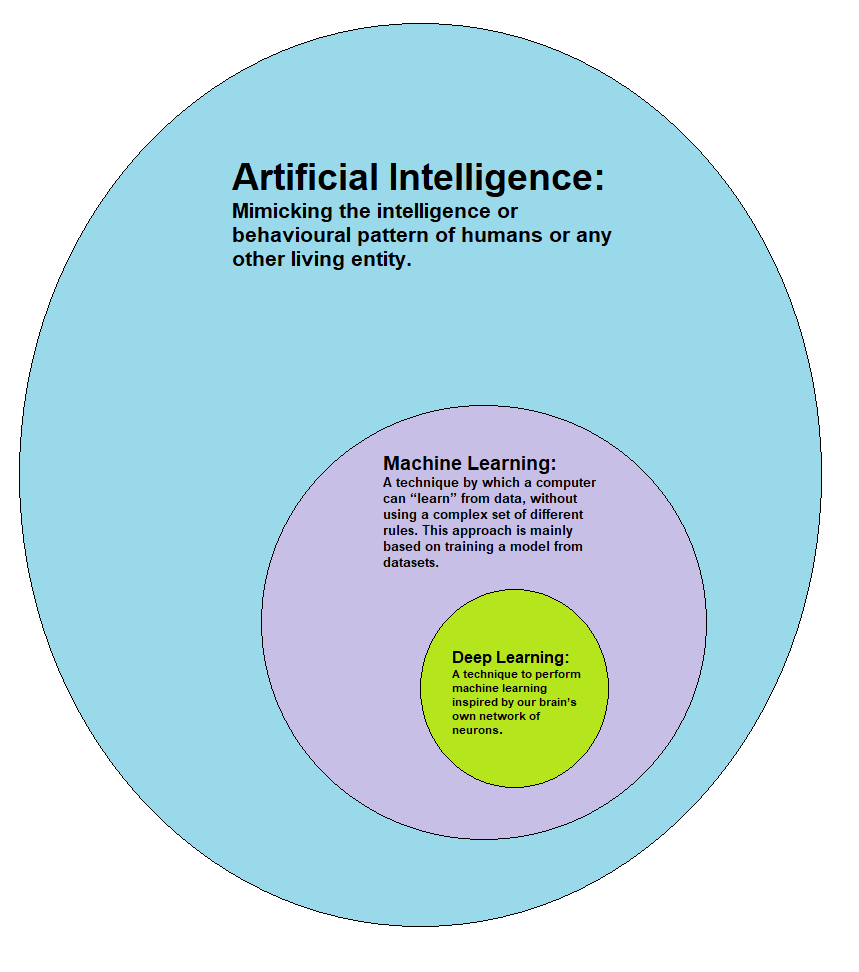
Machine Learning (ML) is the foundation. It's the field of AI focused on building systems that learn from data. An ML model is trained on a dataset to find patterns. For example, a machine learning model could analyze thousands of past sales records to predict future sales based on things like the time of year and marketing spend.
Neural Networks are a type of machine learning model inspired by the structure of the human brain. They consist of layers of interconnected 'neurons' that process information. Each neuron takes inputs, processes them, and passes an output to other neurons. This layered structure allows them to learn complex relationships in data.
Deep Learning is simply the use of neural networks that have many layers—hence the name 'deep.' These deep networks can learn much more intricate patterns than simpler models. This is the technology behind self-driving cars recognizing pedestrians and AI assistants understanding your voice commands.
| Model Type | Core Idea | Common Use Case |
|---|---|---|
| Machine Learning | Algorithms learn patterns from data without explicit programming. | Predicting customer churn. |
| Neural Network | A model inspired by the brain, with interconnected nodes. | Recognizing handwritten digits. |
| Deep Learning | A neural network with many layers for complex pattern recognition. | Translating languages in real-time. |
Models in the Real World
AI models are not just theoretical concepts; they are practical tools that are reshaping industries. Their ability to automate tasks, spot patterns invisible to the human eye, and improve decision-making is incredibly valuable.
In healthcare, deep learning models analyze medical images like X-rays and MRIs to detect signs of disease, sometimes with greater accuracy than human radiologists. They can also predict patient outcomes based on their medical records.
In finance, machine learning models are used to detect fraudulent transactions in real time. They learn what normal spending patterns look like and flag any activity that deviates from that baseline, protecting consumers and banks.
In manufacturing, AI models monitor equipment and predict when a part is likely to fail. This 'predictive maintenance' allows companies to fix machines before they break, saving time and money.
From personalized movie recommendations to optimizing a shipping company's delivery routes, AI models work behind the scenes to make processes more efficient and intelligent.
Ready to check your understanding?
What is the primary difference between an AI model and a traditional computer program?
Which statement best describes the relationship between Machine Learning, Deep Learning, and Neural Networks?
Understanding these basic model types is the first step to seeing how AI works. Each type has its own strengths, but they all share the same fundamental goal: to learn from data and perform a task.