AI Investment Agent for Sustainable Returns
Introduction to Financial Markets
Where Buyers Meet Sellers
Think of a bustling farmers market. Growers bring their produce, and shoppers come to buy fresh goods. A stock market isn't so different, but instead of apples and carrots, people trade shares of companies. A share, or a stock, is just a small piece of ownership in a publicly traded company. When you own a stock, you own a tiny fraction of that business.
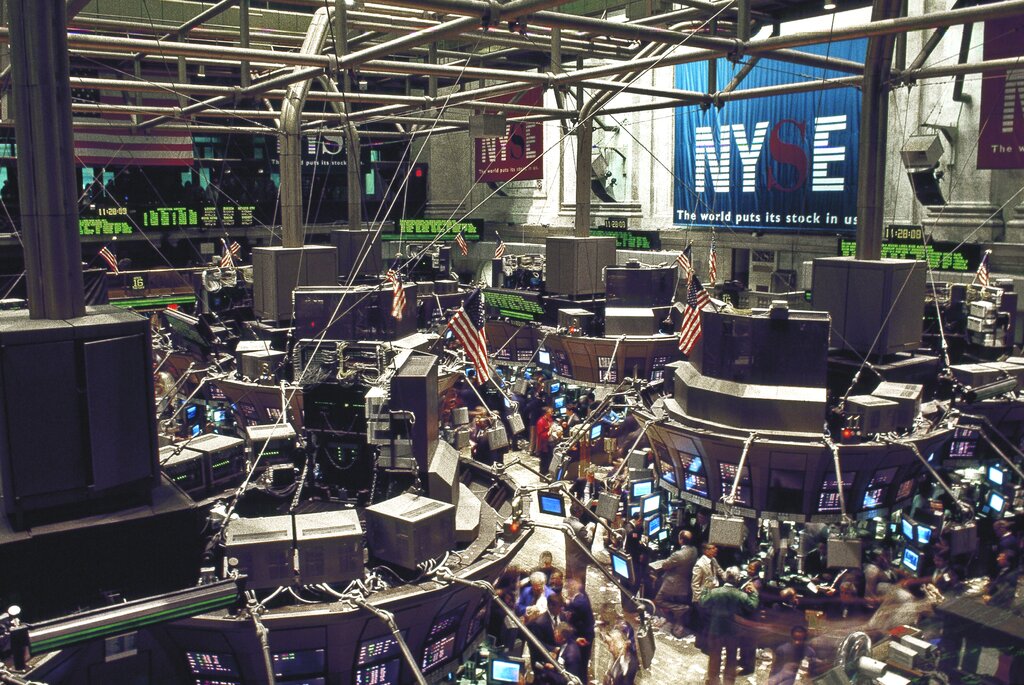
These transactions need an organized, regulated place to happen. That's a stock exchange. The most well-known in the U.S. are the New York Stock Exchange (NYSE) and the Nasdaq. They are the central marketplaces that connect buyers and sellers from all over the world.
Stocks enter the market in two main stages.
First, there’s the primary market. This is where a company first sells its shares to the public through an Initial Public Offering (IPO). It’s the company’s debut, where it raises money directly from investors to fund its growth.
After the IPO, the action moves to the secondary market. This is the market you hear about on the news. Here, investors buy and sell shares from each other, not from the company. The price of the stock now moves up and down based on supply and demand.
The Players in the Game
The market is a complex ecosystem with many different participants, each playing a specific role. Understanding who they are makes the whole system easier to grasp.
| Participant | Role |
|---|---|
| Investors | Individuals or institutions that buy and sell stocks to grow their money. |
| Brokers | Firms that act as middlemen, executing trade orders on behalf of investors. |
| Market Makers | Firms that provide liquidity by being ready to buy or sell a specific stock at any time. |
| Regulators | Government bodies, like the SEC, that create and enforce rules to protect investors. |
As an individual, you’re a retail investor. To trade, you’ll use a broker, which is usually an online platform like Fidelity or Charles Schwab. When you place an order, the broker finds a seller for your purchase (or a buyer for your sale), often with the help of a market maker who ensures the transaction can happen smoothly.
How a Trade Happens
Every company on an exchange has a unique identifier called a ticker symbol. For example, Apple Inc. is AAPL, and Microsoft Corporation is MSFT. When you decide to buy or sell a stock, you'll place an order through your broker using this ticker.
For every stock, there's a constant tug-of-war between what buyers are willing to pay and what sellers are willing to accept. The highest price a buyer will pay is the bid price. The lowest price a seller will accept is the ask price. The difference between them is called the bid-ask spread.
A narrow bid-ask spread usually means a stock is highly liquid, with many buyers and sellers. A wider spread can indicate less trading activity, making it potentially harder to buy or sell at a favorable price.
When you're ready to trade, you have a few choices for what kind of order to place. The two most common are:
-
Market Order: This tells your broker to buy or sell the stock immediately at the best available price. It’s fast and almost always gets filled, but you don’t have control over the exact price.
-
Limit Order: This lets you set a specific price. For a buy order, you set the maximum price you're willing to pay. For a sell order, you set the minimum price you'll accept. The trade will only execute if the stock's price reaches your limit. This gives you price control, but there's no guarantee your order will be filled.
Once your order is executed, the transaction is settled. This means the ownership of the shares is officially transferred to you, and the money is transferred to the seller. This whole process, from placing an order to settlement, now happens electronically and usually takes just a day or two.
What does owning a share of a company's stock represent?
In which market does a company sell its shares to the public for the first time through an Initial Public Offering (IPO)?
This is the basic machinery of the stock market. It's a system designed to facilitate the exchange of ownership in thousands of companies, driven by the collective decisions of millions of participants.