AI Integration for Small Business Growth
Identifying Business Needs
Start with a Look Inward
Before you can think about using artificial intelligence, you need to think about your business. The first step isn't about technology; it’s about understanding your own operations from top to bottom. What does your business actually do every day?
Think of it like drawing a map. Start from the very beginning, when a potential customer first hears about you, and trace their entire journey. Map out each major step: how you market your products, how you make a sale, how you deliver what you promised, and how you provide support afterward. This gives you a clear picture of your core processes.
By visualizing your workflow, you can see how different parts of your business connect and where your team spends its time and energy.
Finding the Friction
With your business map in hand, it's time to find the pain points. These are the areas where things get stuck, slow down, or become frustrating. It’s the friction in your machine.
Ask yourself: What are the most repetitive, time-consuming tasks my team has to do every single day?
These challenges often fall into a few common categories for small businesses. Maybe your team spends hours answering the same five customer questions via email. Perhaps your marketing efforts feel like shouting into the void, with no good way to know who you're reaching. Or maybe someone is manually entering sales data from one spreadsheet into another, a process that's both tedious and prone to errors.
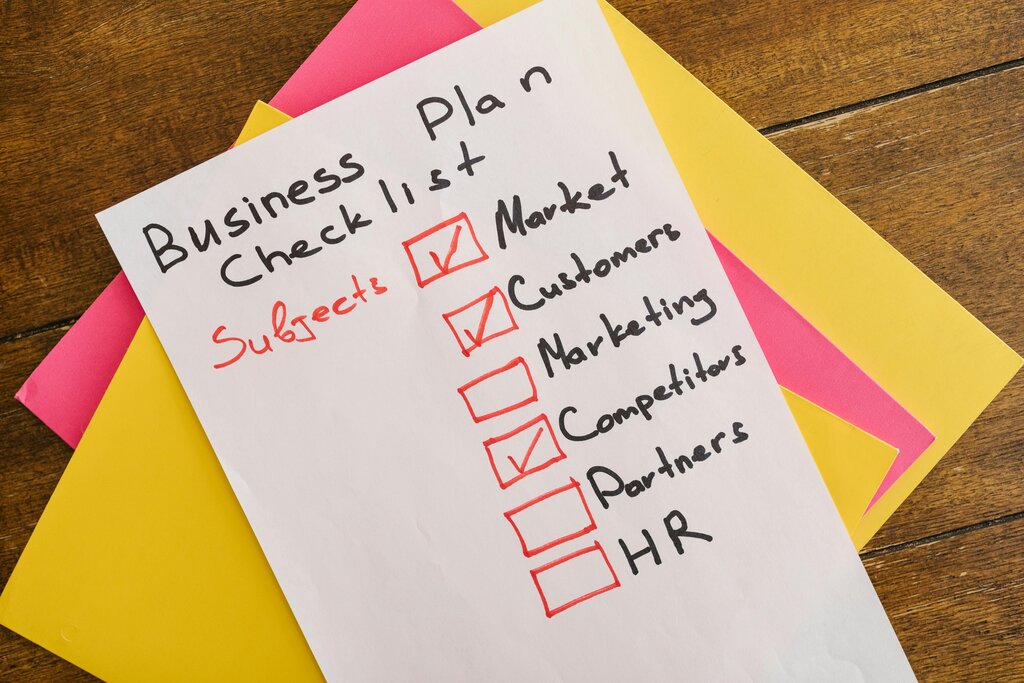
Don't just guess where these problems are. Talk to your employees. Look at your data. Where are the bottlenecks? What tasks are taking up valuable time that could be spent on growth? Identifying these specific operational challenges is the most important step in the process.
Pinpointing Areas for Improvement
Once you've identified your pain points, you can start to see where AI could potentially lend a hand. This isn't about picking a specific tool yet. It's about matching your problems to the types of solutions AI can offer.
First, identify business problems where AI could deliver value.
Think about the challenges you listed. Is customer service swamped with basic questions? That's an area where AI can help by handling repetitive inquiries. Are you struggling to make sense of customer data? AI is excellent at finding patterns that can inform your marketing strategy. Is manual data entry eating up hours? That's a classic operational redundancy that AI is built to automate.
| Common Business Challenge | Potential Area for AI Improvement |
|---|---|
| Answering repetitive customer questions | Customer Service Automation |
| Creating personalized marketing emails | Marketing Personalization |
| Manually entering sales or order data | Operational Efficiency |
| Managing and scheduling social media | Marketing Automation |
| Tracking inventory levels | Supply Chain Management |
By focusing on your actual needs first, you ensure that any future exploration of AI is grounded in solving real-world problems for your business. This foundational analysis sets you up for making smart, targeted decisions later on.
According to the business analysis process described, what is the most critical first step a business should take before considering AI solutions?
A small e-commerce company finds its team spends over 20 hours a week manually copying customer order details from their sales system into their shipping software. This is a classic example of what?
This self-assessment is the critical first step toward strategically integrating AI.