AI Inference Explained
Introduction to AI Inference
From Learning to Doing
Think about how we learn a new skill, like identifying different types of trees. First, we study. We look at pictures and read descriptions of oaks, maples, and pines. We learn their key features: the shape of their leaves, the texture of their bark. This is the learning phase.
Then, we go for a walk in a forest we've never visited before. We see a tree, observe its pointy needles and rough bark, and conclude, "That's a pine." This is the doing phase. We're applying our knowledge to new, unseen information.
Artificial intelligence models work in a similar way. They have a learning phase, called training, and a doing phase, called inference.
Inference
noun
The process where a trained AI model uses its learned knowledge to make a prediction, classification, or decision based on new, previously unseen data.
Inference is the moment of truth for an AI. It's where the model graduates from the classroom and gets a job in the real world. All the complex training is done so the model can perform this one critical task: take a fresh piece of data and provide a useful output.
Training vs. Inference
The distinction between training and inference is fundamental. Training is like building and teaching the brain. It involves feeding an AI model a massive dataset so it can learn patterns, relationships, and features. This process is computationally expensive and is done behind the scenes, often taking days or even weeks.
The result of training is a static, knowledgeable model. This trained model is then deployed for inference.
Inference, by contrast, is quick and customer-facing. It's the live performance. When you ask your phone a question, that's inference. When your email service flags a message as spam, that's inference. It's the lightweight process of using the already-trained brain to make instant judgments.
| Feature | Training Phase | Inference Phase |
|---|---|---|
| Goal | Learn patterns from data | Apply patterns to new data |
| Input | A large, known dataset | A single, new data point |
| Output | A trained AI model | A prediction or decision |
| When It Happens | Before deployment | In real-time, on demand |
While training builds the engine, inference is what drives the car. And for most users of AI, inference is the only part they ever experience.
Inference in the Wild
Every time you interact with an intelligent system, you're triggering an inference process. These tasks happen so seamlessly that we often don't even notice them.
A self-driving car's camera captures a new image of the road. The AI model performs inference to identify pedestrians, traffic lights, and other vehicles, making a decision to brake or accelerate.
A doctor uploads a medical scan to a diagnostic tool. The AI runs inference on the image to detect anomalies or signs of disease, providing a quick analysis to support the doctor's diagnosis.
A fraud detection system receives data for a new credit card transaction. It uses inference to predict whether the purchase is legitimate or fraudulent based on spending patterns, location, and time.
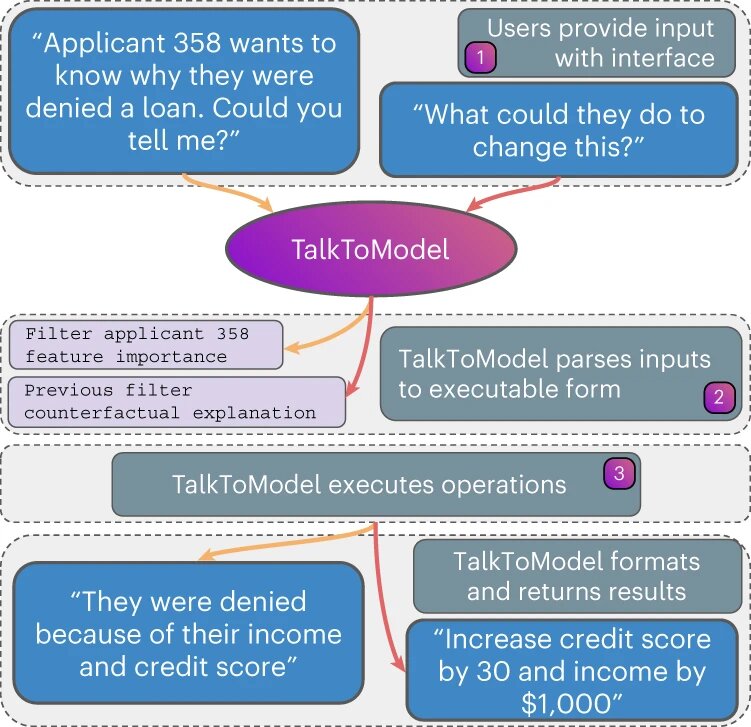
In each case, a pre-trained model is put to work on a specific, immediate task. The speed and efficiency of the inference process are what make these applications practical and valuable.
inference—the process of using trained models to make predictions—that typically accounts for 90% of total AI operational costs over time.
This is why optimizing inference is so crucial. Making the process faster and more energy-efficient allows AI to run on smaller devices, respond instantly, and scale to millions of users. While training gets a lot of attention, inference is the workhorse of applied AI.