AI in Video Creation
Introduction to AI in Video Production
A New Creative Partner
For decades, creating a video was a complex, hands-on process. It involved teams of people managing cameras, lighting, sound, and a long, often tedious editing phase. Technology has always pushed the industry forward, from the jump to color film to the shift to digital cameras. Today, artificial intelligence represents the next major leap.
AI is changing video production from the ground up. It’s not about robots replacing directors, but about powerful tools that work alongside human creators. Think of it as a highly skilled assistant that can handle the repetitive, time-consuming parts of the job, freeing up artists to focus on what matters most: telling a great story.
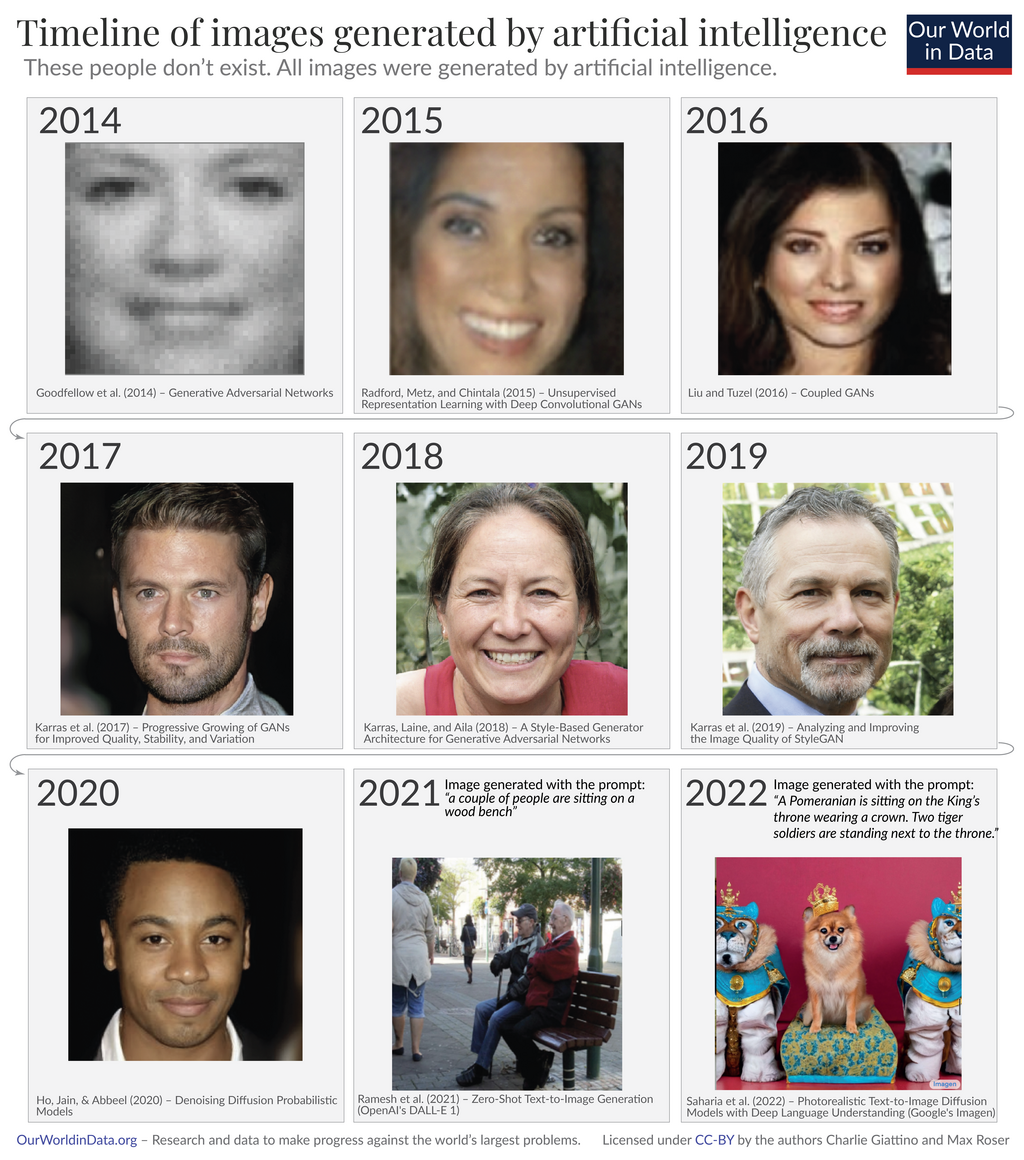
This evolution began with simple tasks. Early AI in media might have helped organize files or suggest basic edits. Now, its capabilities have expanded dramatically. AI is becoming deeply integrated into the creative workflow, from the first spark of an idea to the final delivery of the video.
Why Use AI?
Integrating AI into video production isn't just a trend; it offers real, tangible benefits that are reshaping the industry.
One of the biggest advantages is speed. Tasks that once took hours or even days can now be done in minutes. This efficiency leads directly to another benefit: lower costs. When production timelines are shorter and require less manual intervention, budgets can be stretched further or projects can be completed for less.
But perhaps the most exciting benefit is the boost to creativity.
With AI handling the technical aspects of video production, creators can focus on storytelling and concept development.
Instead of getting bogged down in repetitive editing, color grading, or searching for the perfect music track, creators can dedicate their energy to the artistic vision. AI can also act as a brainstorming partner, helping to generate new ideas or visualize concepts quickly.
Finally, AI enables personalization at a scale that was previously impossible. It can help create multiple versions of a video tailored to different audiences or platforms, automatically adjusting the format, captions, or even the content itself to be more effective.
AI's Role in Production
So, what does AI actually do in the video creation process? Its applications span the entire workflow, from start to finish.
Pre-Production: This is the planning stage. AI can help with scriptwriting, generating storyboards from text descriptions, or even creating synthetic voices for narration placeholders. It can also analyze scripts to create production schedules or budgets.
Production: During filming, AI can assist with tasks like automatic camera focus and tracking subjects. While this is a less developed area, the potential for AI-powered camera operation is growing.
Post-Production: This is where AI currently shines the brightest. It can automate editing by selecting the best takes, generate subtitles and captions instantly, and perform complex visual effects. AI tools can also handle color correction, remove background noise from audio, and find royalty-free music that matches the mood of a scene.
AI isn't taking over the creative process. It's automating the technical one, giving creators more time and freedom to experiment and innovate.
This partnership between human creativity and artificial intelligence is unlocking new possibilities for filmmakers, marketers, and content creators of all kinds. It makes high-quality video production more accessible and allows for a greater focus on the art of storytelling.