AI in Team Sport Performance
Introduction to AI in Sports
The New Playbook
For decades, coaches have relied on gut feelings, experience, and simple statistics to make game-time decisions. They watched hours of tape to scout opponents and spent countless hours on the practice field honing plays. While that human element will always be crucial, a new tool is changing the game: Artificial Intelligence.
Artificial Intelligence
noun
A field of computer science dedicated to creating systems that can perform tasks that typically require human intelligence, such as learning, reasoning, and problem-solving.
At its core, AI in sports is about using computers to find patterns and make predictions that humans might miss. It's not about robots replacing players on the field. Instead, it's a powerful assistant that can analyze massive amounts of information to give teams a competitive edge. Think of it as the ultimate scout, analyst, and strategist, all rolled into one.
AI's ability to process vast datasets, identify complex patterns, and predict player performance offers a significant competitive edge, moving beyond traditional statistical analysis.
Two key concepts drive most of the AI used in sports today: machine learning and data analytics.
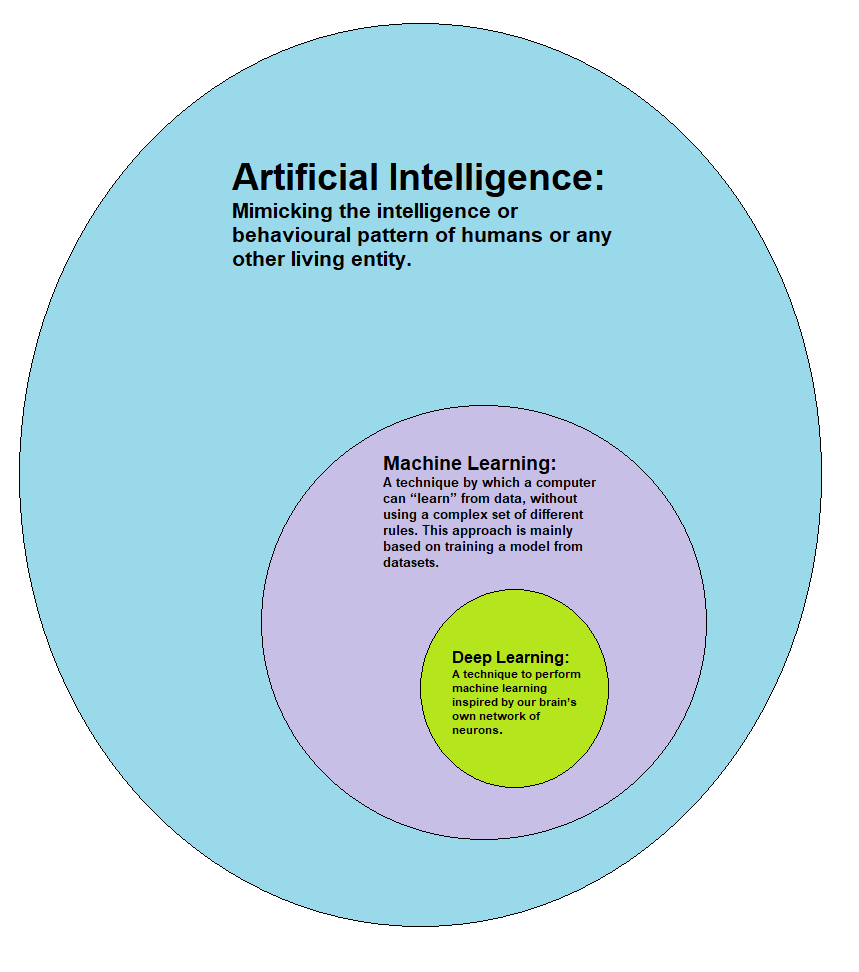
Machine Learning (ML) is a type of AI where systems learn from data without being explicitly programmed. Instead of a coach telling a computer every single rule of basketball, they feed it data from thousands of games. The ML model then learns what successful plays look like, which player matchups are most favorable, and even how fatigue might affect a player's shot percentage.
Data Analytics is the process of examining large datasets to uncover hidden patterns, correlations, and other insights. In sports, this data can come from anywhere: sensors on players tracking their speed and heart rate, cameras capturing every movement on the court, and historical game statistics stretching back decades.
From Scoreboards to Smart Plays
The idea of using data in sports isn't new. For over a century, teams have tracked basic stats like batting averages and points per game. But the journey toward true AI-driven sports began more recently. One of the earliest public displays was in 1997, when IBM's Deep Blue computer defeated world chess champion Garry Kasparov. While not a team sport, it showed that machines could master complex strategies.
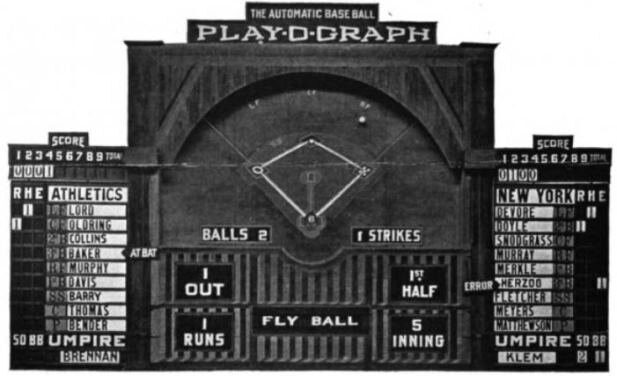
In the early 2000s, the "Moneyball" era in baseball brought data analytics to the forefront, showing how a deep dive into statistics could help underdog teams compete. This opened the door for more advanced techniques. As computing power grew and data collection became easier, teams across all sports began investing in technology. Today, AI is an integral part of operations for many professional sports organizations.
AI in Action
So how are teams actually using AI? The applications are transforming every aspect of the game, from player health to fan engagement.
Performance and Strategy: AI analyzes game footage to identify opponent weaknesses and suggest optimal plays. In soccer, systems can track every player's position to recommend the best passing options in real-time. In basketball, AI can model the probability of a shot going in based on the defender's position, the player's fatigue level, and dozens of other factors.

Scouting and Recruitment: Instead of relying solely on a scout's intuition, teams use AI to analyze a prospect's performance data from college or minor leagues. The system can compare a player's stats against current professionals to predict their potential for success, helping teams make smarter draft picks.
Athlete Management: Wearable sensors track an athlete's physical exertion, sleep patterns, and stress levels. AI analyzes this data to create personalized training and recovery plans. This helps prevent injuries by flagging when a player is being overworked, ensuring they are in peak condition for game day.
A major European soccer club used AI to analyze player data and found that their star striker was at high risk of a hamstring injury. They adjusted his training load, and he went on to play a full, injury-free season, leading the team to a championship.
The benefits are clear. Teams using AI can make faster, more informed decisions. They can keep their players healthier and develop talent more effectively. Ultimately, this leads to a better on-field product and a higher chance of winning.
Ready to test your knowledge?
What is the primary role of AI in sports, as described in the provided text?
A team uses wearable sensors to monitor player exertion and sleep patterns. AI then analyzes this data to create personalized training plans and flag injury risks. This application of AI falls under which category?
As AI technology continues to evolve, its role in sports is only set to grow, making the games we love smarter, safer, and more exciting.