AI in SAP Systems
Introduction to SAP and AI
What is SAP?
SAP is a company that creates software to help businesses run smoothly. Think of a large company as a complex organism. It has different parts that need to work together: finance, manufacturing, human resources, and sales, just to name a few. SAP's main product is Enterprise Resource Planning (ERP) software, which acts like the central nervous system for the business.
Instead of each department using its own separate software, an ERP system integrates all of them into a single, unified platform. When the sales team makes a sale, the inventory system automatically updates, the finance department sees the revenue, and the warehouse knows to ship the product. This shared source of information prevents errors and helps everyone make better decisions because they're all looking at the same data.
Essentially, SAP software provides a company with a single source of truth for all its core operations.
Enter Artificial Intelligence
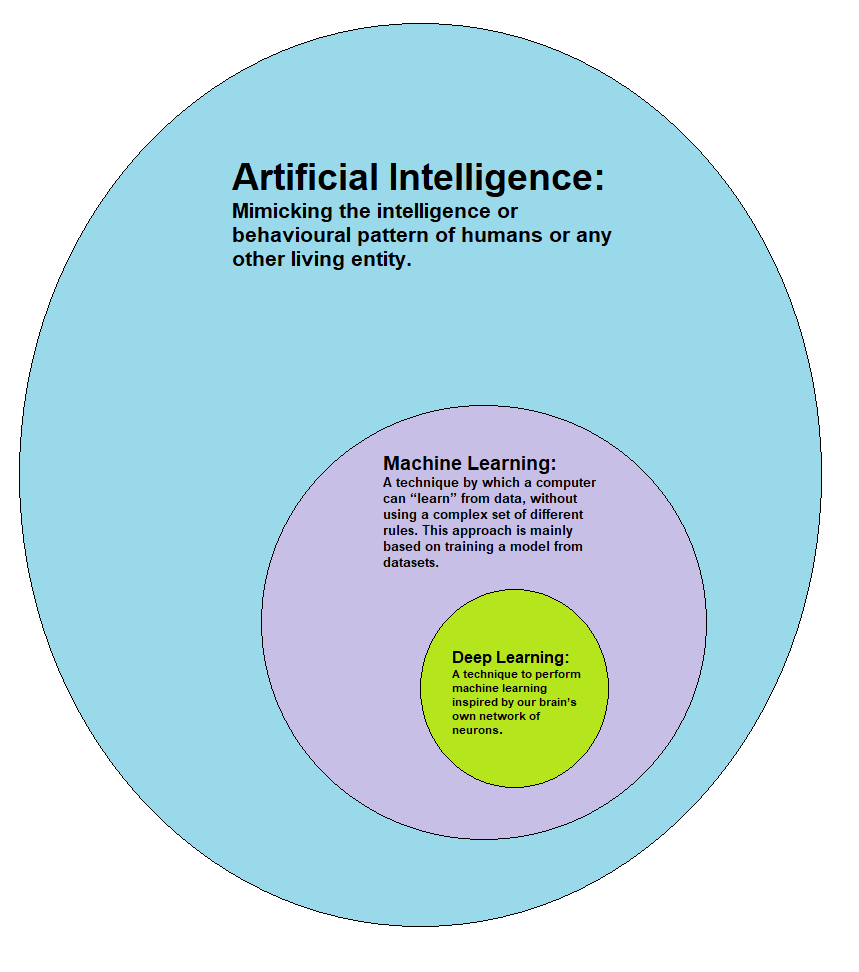
Artificial intelligence, or AI, is the science of teaching computers to perform tasks that typically require human intelligence. This includes things like recognizing patterns, understanding language, and making decisions. Two key concepts within AI are machine learning and data analytics.
Machine Learning
noun
A subset of AI where systems learn and improve from experience without being explicitly programmed. Instead of following a strict set of rules, the system analyzes vast amounts of data to find patterns and make predictions.
Data analytics is the process of inspecting, cleaning, and modeling data with the goal of discovering useful information and supporting decision-making. It's how businesses turn raw numbers into actionable insights. For example, a retail company might analyze sales data to figure out which products are most popular in different regions.
Why Combine SAP and AI?
SAP systems are treasure troves of business data. They hold decades of information about sales, supply chains, customer behavior, and financial performance. By themselves, these records are just a history of what has happened. But when you apply AI, you can start to understand why things happened and predict what will happen next.
Imagine an AI analyzing an SAP system's logistics data. It could identify inefficient shipping routes that humans might miss, saving the company time and money. Or, it could analyze production data to predict when a piece of machinery is likely to fail, allowing for maintenance before it breaks down and halts production.
SAP S/4HANA intelligent ERPs use embedded AI/ML and real-time operations to enable companies to learn, improve and operate continuously through live operations.
The combination of SAP and AI transforms a business's operational system from a simple record-keeper into an intelligent partner. It helps automate repetitive tasks, provides deeper insights from data, and empowers employees to make smarter, faster decisions. This integration is crucial for staying competitive in the modern business world.
Now, let's test your knowledge of these foundational concepts.
What is the primary type of software that SAP is known for creating?
According to the text, what is the best analogy for the role of an ERP system in a business?