AI in Public Health
Introduction to AI in Public Health
AI and Public Health
Artificial Intelligence, or AI, is about creating systems that can perform tasks that typically require human intelligence. This includes things like learning from experience, solving problems, and understanding language. Think of it less as a single technology and more as a broad field of computer science.
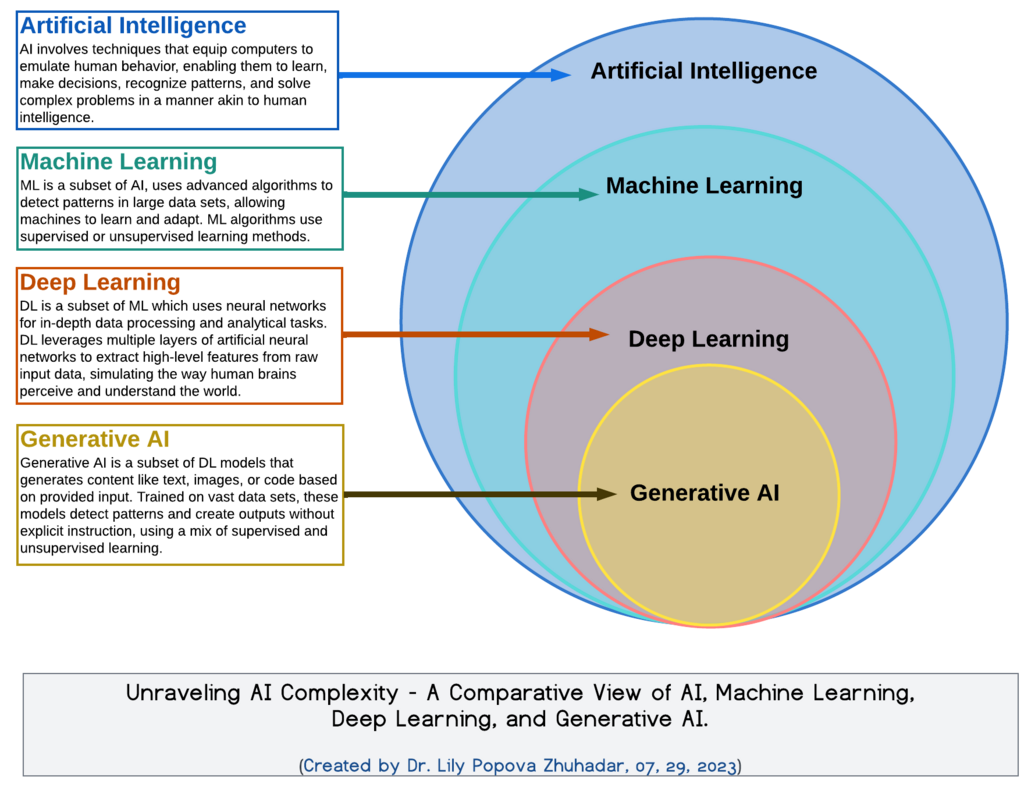
At the heart of modern AI is machine learning. Instead of being explicitly programmed with rules for every possible situation, a machine learning model is trained on large amounts of data. It learns to recognize patterns within that data, and then uses those patterns to make predictions or decisions about new, unseen data. Data analytics is the process of examining these large datasets to uncover hidden patterns, correlations, and other insights. If AI is the car, machine learning is the engine, and data is the fuel that makes it all run.
Spotting Trouble Early
The idea of using computers in medicine isn't new, but recent advances have made AI a powerful tool for public health. One of its most important jobs is disease surveillance. Traditionally, health officials rely on reports from doctors and labs to track the spread of an illness. This process can be slow.
AI systems can speed things up dramatically. They can sift through massive, unstructured datasets from all over the world in near real-time. This includes news articles, social media posts, airline ticket sales, and even satellite imagery showing environmental changes. By identifying keywords and spotting unusual clusters of symptoms, AI can raise an early flag about a potential outbreak long before official reports are filed.
This surveillance work leads directly to another key function: outbreak prediction. AI doesn't just see what's happening now; it models what could happen next. By analyzing historical outbreak data alongside current information like weather patterns, population density, and global travel routes, AI models can forecast where and when a disease is likely to spread. This predictive power gives public health officials a crucial head start, allowing them to prepare and respond more effectively.
Smarter Resource Allocation
When a health crisis hits, resources like hospital beds, ventilators, vaccines, and medical staff are often limited. Deciding where to send them for the greatest impact is a massive logistical challenge. AI can optimize this process.
By analyzing real-time data on infection rates, hospital capacity, and supply chain information, AI can recommend the most efficient allocation of resources. It can help answer critical questions: Which communities need a mobile testing clinic most urgently? Which hospitals will need more staff next week? This data-driven approach helps ensure that help gets where it's needed most, saving time, money, and lives.
AI helps public health officials move from a reactive to a proactive stance, anticipating future needs instead of just responding to current crises.
By understanding patterns, predicting future events, and optimizing responses, AI is becoming an indispensable partner in the mission to protect and improve public health around the world.